




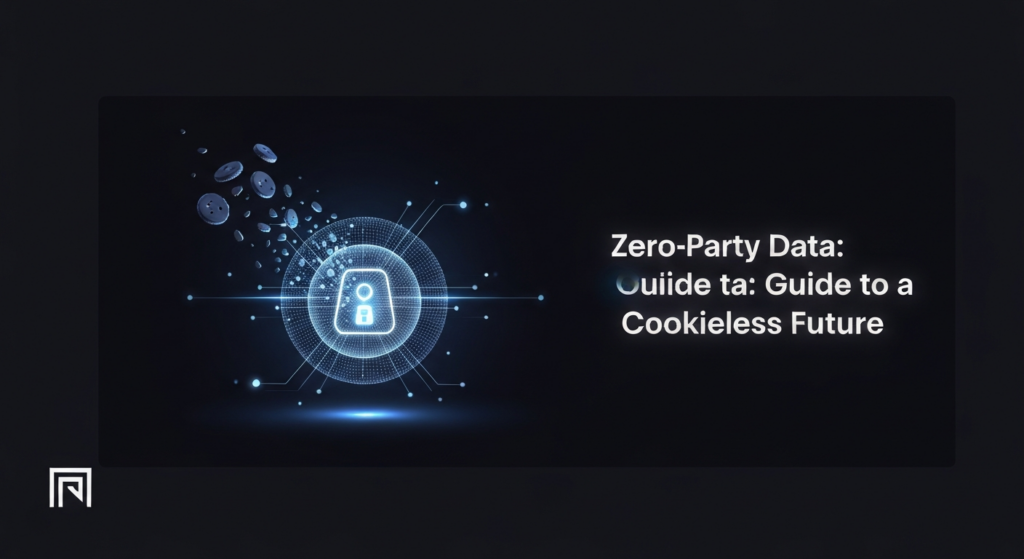


For decades, digital marketing has been powered by an invisible engine: the third-party cookie. These small text files, placed on a user’s browser by a domain other than the one they are visiting, have been the bedrock of programmatic advertising, retargeting, and cross-site tracking. They allowed marketers to follow users across the web, building complex behavioral profiles to serve what they hoped were relevant ads. Now, this engine is sputtering to a halt. The era of the third-party cookie is ending, a phenomenon often called the “cookieless future.”
This seismic shift is the result of a powerful convergence of forces. First, consumer awareness and concern over data privacy have skyrocketed. High-profile data breaches and a growing understanding of how personal information is tracked have led to a public demand for greater control. This sentiment has been codified into law through landmark privacy regulations like the General Data Protection Regulation (GDPR) in Europe and the California Consumer Privacy Act (CCPA). These laws have set new standards for consent and transparency, making older methods of passive data collection legally perilous.
Technology companies are responding to this new reality. Apple’s Safari with Intelligent Tracking Prevention (ITP) and Mozilla’s Firefox with Enhanced Tracking Protection (ETP) have been aggressively blocking third-party cookies for years. The final domino is Google’s plan to phase them out in its Chrome browser, which holds the majority of the global market share. Once Chrome implements this change, the third-party cookie will effectively become obsolete. For marketers who have built their strategies on this data source, this change represents a fundamental challenge, necessitating a complete rethinking of how they understand and engage with customers.

In the wake of the third-party data collapse, a more powerful, ethical, and effective alternative is taking center stage: zero-party data. Coined by Forrester Research, the term refers to data that a customer intentionally and proactively shares with a brand. It is not inferred, observed, or purchased from an outside source. It is information given explicitly and willingly, straight from the source.
Think of it as the difference between observing someone through a window and having a direct conversation. Third-party and even some first-party data strategies are observational, tracking clicks, page views, and purchase history to guess at a person’s interests and intent. Zero-party data is conversational. It includes preferences, purchase intentions, personal context, and how an individual wants to be recognized by a brand. Examples include answers to a style quiz, selections in a preference center, or responses to a survey about personal needs and goals. This data is highly accurate and valuable because it comes with built-in consent and clear intent.
It is easy to confuse zero-party data with first-party data, but the distinction is critical. First-party data is information a company collects through its own direct interactions with customers. This includes behavioral data like purchase history, website activity, and email engagement. While valuable and owned by the brand, it is still largely based on inference. For example, a customer buying a running shoe provides the first-party data point of that purchase. You might infer they are a runner, but you do not know if they are a marathoner or a casual jogger, if they bought it as a gift, or if they prefer trail running. Zero-party data closes this gap. It is the information they provide when you ask, “What kind of running do you do?”
This table clarifies the differences:
| Attribute | Zero-Party Data | First-Party Data |
|---|---|---|
| Source | Directly and proactively shared by the customer. | Collected from a user’s behavior and interactions with the brand. |
| Nature | Explicit and declared. (e.g., “I am interested in vegan recipes.”) | Implicit and inferred. (e.g., User viewed three vegan recipe pages.) |
| Collection Method | Quizzes, surveys, preference centers, polls. | Website analytics, CRM, purchase history, pixel tracking. |
| Example | A customer selects “skin sensitivity” as their primary concern in a skincare quiz. | A customer has previously purchased products for sensitive skin. |
| Key Benefit | Unambiguous intent and high accuracy. Builds trust. | Provides valuable behavioral insights and is owned by the brand. |
Understanding the full data spectrum further highlights the unique value of zero-party data. Second-party data is essentially another company’s first-party data. A brand might purchase this data directly from a trusted, non-competitive partner. For example, an airline could partner with a hotel chain to share audience data for targeted travel packages. It is generally more reliable than third-party data but still lacks a direct relationship with the end customer.
Third-party data is the furthest removed. It is collected by entities that have no direct relationship with the user. These data brokers aggregate vast amounts of information from numerous websites and sources, package it into segments (e.g., “new homeowners,” “car enthusiasts”), and sell it to other companies. This is the data most impacted by the cookie phase-out. It is often plagued by inaccuracies, a lack of transparency, and significant privacy concerns, making it a risky foundation for a modern marketing strategy.

Adopting a zero-party data strategy is more than a defensive move against the cookieless future; it is a proactive step toward building a more resilient, customer-centric business. The benefits are profound, affecting everything from customer relationships to legal compliance and the bottom line.
Trust is the currency of the modern digital economy. Consumers are tired of feeling secretly monitored. A zero-party data approach flips the script. By asking for information directly and being transparent about how it will improve their experience, brands transform data collection from covert surveillance into a collaborative dialogue. This act of asking for permission and offering a clear value exchange demonstrates respect for the customer. This transparency forms the foundation of a long-term relationship that is more difficult for competitors to replicate than a simple price advantage.
Generic marketing messages are noise. True personalization is about delivering the right message to the right person at the right time. While first-party behavioral data allows for a good degree of personalization (e.g., recommending similar products), zero-party data unlocks a much deeper, more meaningful level. Imagine a home goods retailer knows you bought a couch based on first-party data. With zero-party data from a “What’s Your Interior Design Style?” quiz, they know you prefer a mid-century modern aesthetic and plan to redecorate in the next three months. This allows them to deliver curated content, style guides, and product recommendations that perfectly match your stated preferences and timeline. This is the difference between relevant marketing and a truly personal customer experience (CX).
Navigating the complex web of global data privacy regulations is a major challenge. Zero-party data offers a powerful solution for simplifying compliance. The core tenets of laws like GDPR and CCPA revolve around a lawful basis for processing, purpose limitation, and explicit consent. Because zero-party data is willingly provided by the user for a specific, stated purpose (e.g., “to receive personalized product recommendations”), it inherently aligns with these principles. Consent is baked into the collection process. This not only reduces legal risk but also future-proofs a marketing strategy against new privacy regulations. By building direct relationships based on explicit consent, brands can operate with confidence in a privacy-first world.

Transitioning to a zero-party data strategy requires a shift in tactics. Instead of passive tracking, brands must actively create engaging experiences that invite customers to share information. The key is to make the process easy, enjoyable, and valuable for the user.
Quizzes are one of the most effective methods for collecting zero-party data. They are inherently engaging and provide immediate value to the user as a result, recommendation, or insight. A beauty brand could offer a “Find Your Perfect Foundation Shade” quiz that asks about skin type and desired coverage. A financial services company could create an assessment to help users identify their “Retirement Savings Personality.” The data collected is highly specific, contextual, and directly applicable to personalizing future interactions.
While less glamorous than quizzes, direct surveys and feedback forms are a straightforward way to gather valuable information. The key is to keep them short, focused, and contextually relevant. Post-purchase surveys can ask about the shopping experience and future purchase plans. Website pop-ups can ask about the purpose of a visit. Always be clear about how long the survey will take and how the information will be used to improve their experience.
A preference center is a dedicated hub, usually within a user’s account profile, where they can control their relationship with the brand. This is a zero-party data goldmine. Here, customers can specify what types of products they are interested in, what topics they want to receive emails about (e.g., “New Arrivals,” “Sales & Promotions”), and how often they want to be contacted. This not only provides rich data but also empowers the customer, reduces unsubscribe rates, and demonstrates a commitment to respecting their preferences.
The moment a new user signs up is a prime opportunity to collect foundational zero-party data. Instead of a generic welcome, greet them with a brief, optional questionnaire to tailor their experience from day one. A SaaS company might ask about their role, team size, and primary goal for using the software. An e-commerce site could ask about their favorite styles. This initial data collection sets the stage for a personalized journey from the very first interaction.
People are often willing to share information in exchange for a chance to win something or participate in a fun activity. A contest entry form can go beyond name and email to ask a relevant question, such as “What’s the one destination on your travel bucket list?” for a travel company. Gamified experiences, like a “spin to win” wheel that requires answering a question to play, can also make data collection feel less like a transaction and more like an enjoyable interaction.

Customers understand their data has value and are unlikely to share it for nothing. The core principle behind successful zero-party data collection is the “value exchange.” You must offer something tangible and desirable in return for the information they provide. This exchange must be clear, fair, and ideally, instantly gratifying.
This is one of the most powerful incentives. The implicit promise is, “If you tell us about yourself, we will use that information to save you time and help you discover products you’ll love.” This is the engine behind services like Netflix and Spotify, and it is highly effective in e-commerce. Frame your data collection as a service that helps cut through the noise and deliver a curated experience.
Gated content can be a powerful motivator. Offer a valuable e-book, an in-depth guide, or a webinar in exchange for answers to a few strategic questions. The content must be genuinely useful and not easily available elsewhere. Similarly, offering early access to new products, features, or sales can be a compelling reason for loyal customers to share more about their preferences and purchase intentions.
Monetary incentives are a classic and effective way to encourage data sharing. A prompt like, “Take our 2-minute style quiz to get 15% off your first order” is a straightforward and compelling value exchange. The discount provides immediate gratification, and the brand receives valuable data that can be used to personalize the customer’s shopping experience long after the first purchase, increasing lifetime value.

Collecting zero-party data is built on a foundation of trust. Betraying that trust through unethical or careless practices can cause irreparable damage to your brand. Adhering to a strict code of ethics is not just a legal requirement but a business imperative.
At every point of collection, be crystal clear about why you are asking for the data and exactly how it will be used. Avoid vague language or burying details in a lengthy privacy policy. Use simple, direct statements like, “Tell us your shoe size so we can show you what’s in stock” or “Let us know your favorite topics to get a personalized weekly newsletter.” This transparency builds confidence and respect.
Do not ask for data you do not need or cannot immediately use to improve the customer’s experience. Asking for a job title on a pizza delivery app is irrelevant and intrusive. Ask for information at the moment it makes sense in the user journey. For example, ask about dietary preferences when they are browsing the menu, not on the homepage. Contextual requests feel more helpful and less invasive.
You are the custodian of your customers’ data, and it is your responsibility to protect it. Invest in robust data security measures to prevent breaches and publicly communicate your commitment to security. Where possible, use anonymized and aggregated data for broader business intelligence to reduce the risk associated with holding personally identifiable information (PII). A customer’s trust is contingent on their belief that their information is safe with you.
Empowerment is key to trust. Customers should have easy, unfettered access to the data they have provided. Your website or app should have a clear, accessible preference center or account dashboard where users can view, edit, or delete their information at any time. This is a core requirement of regulations like GDPR (the “right to be forgotten”) and a powerful signal that you respect their ownership of their data.

Theory is useful, but seeing zero-party data in practice demonstrates its transformative power across various industries.
Stitch Fix is a prime example of a business built almost entirely on zero-party data. Its extensive “Style Quiz” asks new users about their size, fit, style preferences, budget, and lifestyle. This rich dataset allows its stylists and algorithms to curate highly personalized boxes of clothing, creating a discovery experience that traditional retailers struggle to match.
Sephora uses its “Foundation Finder” and other quizzes to collect zero-party data about a customer’s skin type, concerns (e.g., acne, dryness), and desired finish. This allows the company to go beyond simply recommending a product and instead suggest an entire personalized skincare or makeup routine, increasing basket size and customer loyalty.
Project management tool Asana asks users during onboarding about their role (e.g., marketing, engineering) and what they plan to manage with the software. This allows Asana to immediately suggest relevant project templates and highlight the most useful features for that user’s specific needs, reducing churn and accelerating their time-to-value.
The New York Times allows subscribers to manage their newsletter preferences in a detailed preference center. Users can select specific topics they are interested in, from “Morning Briefing” to “Cooking” to “Climate Forward.” This ensures subscribers receive content they genuinely want, dramatically increasing engagement and reinforcing the value of the subscription.

Effectively collecting, managing, and activating zero-party data requires the right set of tools. A modern zero-party data stack typically includes three key components.
A CDP is the central nervous system of a customer data strategy. It ingests data from multiple sources—including quizzes, websites, CRMs, and email platforms—and unifies it into a single, persistent profile for each customer. This 360-degree view allows you to segment audiences with precision and activate personalized experiences across all marketing channels. Platforms like Segment, Tealium, and Twilio Engage are leaders in this space.
These are the tools used to create the engaging experiences that collect zero-party data. While simple forms can work, dedicated platforms offer more advanced logic, design customization, and integrations. Tools like Typeform, Jotform, and SurveyMonkey are excellent for creating surveys, while specialized platforms like Jebbit or Outgrow are designed for creating interactive quizzes and calculators that capture and sync lead data.
This is where your zero-party data is put into action. Your email service provider (ESP) or marketing automation platform uses the data from your CDP to power personalization. For example, a customer who indicated their primary interest is “hiking” can be automatically added to a segment that receives emails about new hiking gear and content about local trails. Platforms like Klaviyo, HubSpot, and ActiveCampaign excel at this kind of data-driven segmentation and automation.

While the benefits are immense, a zero-party data strategy is not without its challenges. Being aware of them allows you to design solutions proactively.
One of the biggest hurdles is **survey fatigue**. Customers are constantly asked for feedback, and it is easy for them to tune out. To overcome this, ensure your data requests are not just another chore. Make them engaging through gamification and interactive formats like quizzes. Keep them brief and focused on a single goal. Most importantly, always provide a clear and immediate value exchange.
Another common issue is **low response rates**. Simply putting a form on your site and hoping for the best is not a strategy. You must actively promote your data collection experiences. Experiment with the timing of your request (e.g., a post-purchase pop-up versus an email a week later). Test various incentives to see what resonates most with your audience. A/B testing headlines, questions, and calls-to-action can significantly lift engagement.
Finally, there is the challenge of **data management**. Collecting large amounts of data is ineffective if it remains siloed and inaccessible. Without a unified customer view, this information cannot be used effectively for personalization. This is where a Customer Data Platform (CDP) becomes essential. A CDP acts as a central hub, integrating data from various sources to connect what a customer tells you (zero-party) with what they do (first-party). This unified profile enables the creation of a truly holistic and responsive customer experience.

The disappearance of the third-party cookie is not a threat; it is an opportunity. It marks a necessary evolution away from a marketing ecosystem built on opaque tracking and toward one founded on transparency, trust, and mutual value. The future of digital marketing belongs to brands that build direct relationships with their customers.
A zero-party data strategy is the blueprint for building these relationships. It transforms marketing from a monologue, where brands push generic messages at inferred audiences, into a dialogue, where brands listen to customers’ explicit needs and respond with genuinely personal and helpful experiences. It is more ethical, more effective, and ultimately more sustainable. By embracing the principles of the value exchange and radical transparency, you can not only survive the cookieless future but thrive in it, building a loyal customer base that sees sharing their data not as a privacy risk, but as an investment in a better experience with a brand they trust.