





In the competitive landscape of modern business, a great product or service is not enough. The real challenge lies in connecting with the right people at the right time, guiding them from initial awareness to becoming loyal customers. This process, a complex and often non-linear path, is the customer journey. Understanding this journey is a fundamental pillar of sustainable business growth. By mapping out your customers’ needs, questions, and pain points at each step, you can proactively provide solutions, build trust, and create a valuable, personalized experience.
This is where the marketing funnel comes into play. It provides a structured model for visualizing, measuring, and optimizing the customer journey. By breaking down the path to purchase into distinct stages, you can replace haphazard marketing efforts with a predictable, scalable system for attracting prospects, nurturing them into qualified leads, and converting them into customers. Mastering the marketing funnel empowers you to allocate resources effectively, craft relevant messaging, and build stronger, more profitable customer relationships. It transforms marketing from a cost center into a powerful engine for growth, providing clarity and direction in an otherwise chaotic digital world.

At its core, a marketing funnel is a strategic framework that visualizes the ideal path a potential customer takes from their first interaction with your brand to making a purchase and beyond. Imagine a physical funnel: wide at the top and narrow at the bottom. In marketing, the top represents the largest audience of potential customers who are just becoming aware of your brand. As these individuals move down the funnel, they are filtered and nurtured, with a smaller, more qualified group eventually emerging at the bottom as paying customers. This model helps businesses understand and optimize the process of turning strangers into leads and leads into customers.
A funnel in marketing is more than a visual aid; it is a methodology for systematic lead generation and conversion. It acknowledges that not everyone who visits your website or sees a social media post is ready to buy immediately. Customers are at different stages of readiness: some are just identifying a problem, others are comparing solutions, and a few are ready to make a purchase. The funnel provides a structure to engage with each of these groups appropriately, offering the right information and calls-to-action at the right time. It is a deliberate process designed to build a relationship and guide a prospect’s decision-making process in a way that feels helpful, not pushy.
The terms “marketing funnel” and “sales funnel” are often used interchangeably, but they represent distinct, albeit connected, parts of the overall customer journey. The marketing funnel is broader, responsible for generating awareness and capturing leads. The sales funnel is a subset of the marketing funnel, focused on the specific actions taken to close a deal with the qualified leads that marketing has generated. In essence, marketing casts a wide net to attract potential customers, while sales works with the most promising prospects caught in that net.
| Aspect | Marketing Funnel | Sales Funnel |
|---|---|---|
| Primary Goal | Generate awareness, capture leads, and educate the market. | Convert qualified leads into paying customers. |
| Scope | Broad; covers the entire journey from stranger to marketing qualified lead (MQL). | Narrow; focuses on the journey from MQL to closed-won deal. |
| Key Activities | Content marketing, SEO, social media, advertising, lead magnets. | Product demos, sales calls, proposal writing, contract negotiation. |
| Team Responsible | Marketing Team | Sales Team |
The fundamental purpose of a marketing funnel is to create a predictable and repeatable system for customer acquisition. It is about building a machine that consistently brings in new business. By mapping out each stage, you can identify what is working and what is not, allowing for data-driven optimization. A funnel helps you understand the mindset of your audience at each phase, enabling you to deliver relevant content that addresses their specific needs. This builds trust and positions your brand as a helpful authority, making the final sales conversation much smoother. Ultimately, a well-designed funnel streamlines marketing efforts, improves conversion rates, and provides a clear picture of your return on investment.
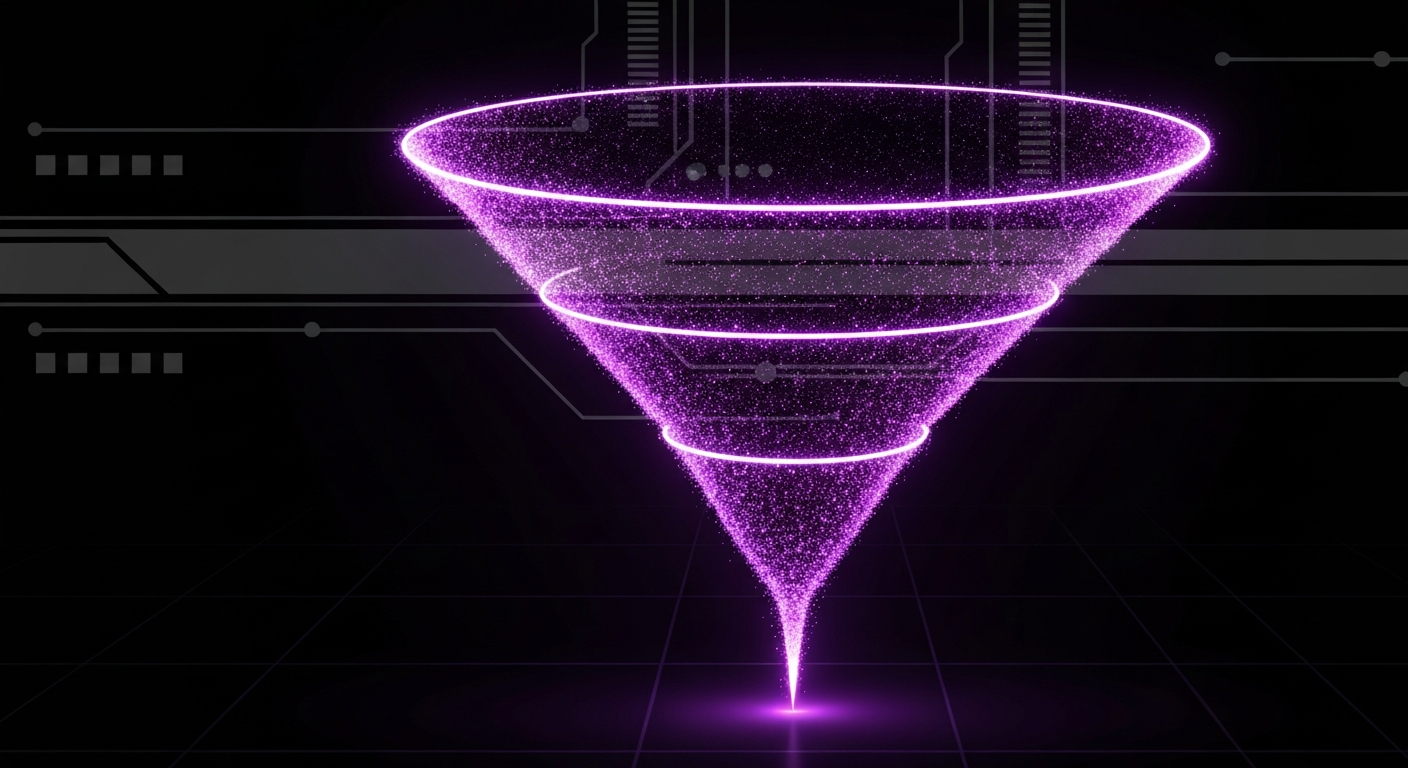
Long before digital marketing, marketers relied on a simple yet powerful framework to understand the customer’s psychological journey: the AIDA model. Developed in the late 19th century, AIDA stands for Awareness, Interest, Desire, and Action. This timeless model describes the cognitive phases a person goes through during the buying process. It serves as the foundational blueprint for most modern marketing funnels, as it encapsulates the necessary steps to guide someone from being unaware of your brand to taking a decisive purchasing action. Understanding AIDA is crucial because it focuses on the customer’s mindset—the key to effective marketing.
The first stage, Awareness, is where the customer journey begins. At this point, the prospect is either unaware of your brand or has only a vague recognition of it. The primary marketing goal here is to cut through the noise and capture their attention. This is not the time for a hard sell; it is about introduction and discovery. You are essentially planting a seed. Marketing activities in the awareness stage are designed to reach a broad audience and make a memorable first impression. This can be achieved through search engine optimization (SEO), social media campaigns, display advertising, content marketing like blog posts, and public relations.
Once you have a prospect’s attention, the next challenge is to maintain it. The Interest stage is about engaging the audience and encouraging them to learn more about their problem and your potential solution. Here, prospects are actively seeking information. Your goal is to provide valuable, compelling content that addresses their pain points and establishes your brand as a credible resource. This is where you begin to build a relationship. Content like in-depth blog articles, engaging videos, webinars, and informative newsletters works exceptionally well. You are no longer just seeking attention; you are starting a meaningful conversation.
In the Desire stage, the focus shifts from general interest to a specific craving for your product or service. The prospect now understands their problem and believes a solution like yours is the answer. Your job is to transform that general interest into a specific desire for *your* offering. This is where you highlight your unique value proposition, benefits over features, and what makes you better than the competition. Social proof is incredibly powerful here. Case studies, customer testimonials, product comparisons, and detailed feature pages can effectively build desire. You are moving the conversation from “This is an interesting solution” to “I need *this* solution.”
The final stage of the AIDA model is Action. All previous efforts have led to this moment. The prospect is convinced and ready to move forward. Your goal is to make it as easy and compelling as possible for them to take the desired action, whether that is making a purchase, signing up for a free trial, or booking a consultation. Clear and persuasive calls-to-action (CTAs) are critical. Creating a sense of urgency with limited-time offers, providing a seamless checkout process, or offering a risk-free guarantee can be the final nudge needed to drive conversion. Any friction at this stage can cause a prospect to abandon the process, so clarity and simplicity are paramount.
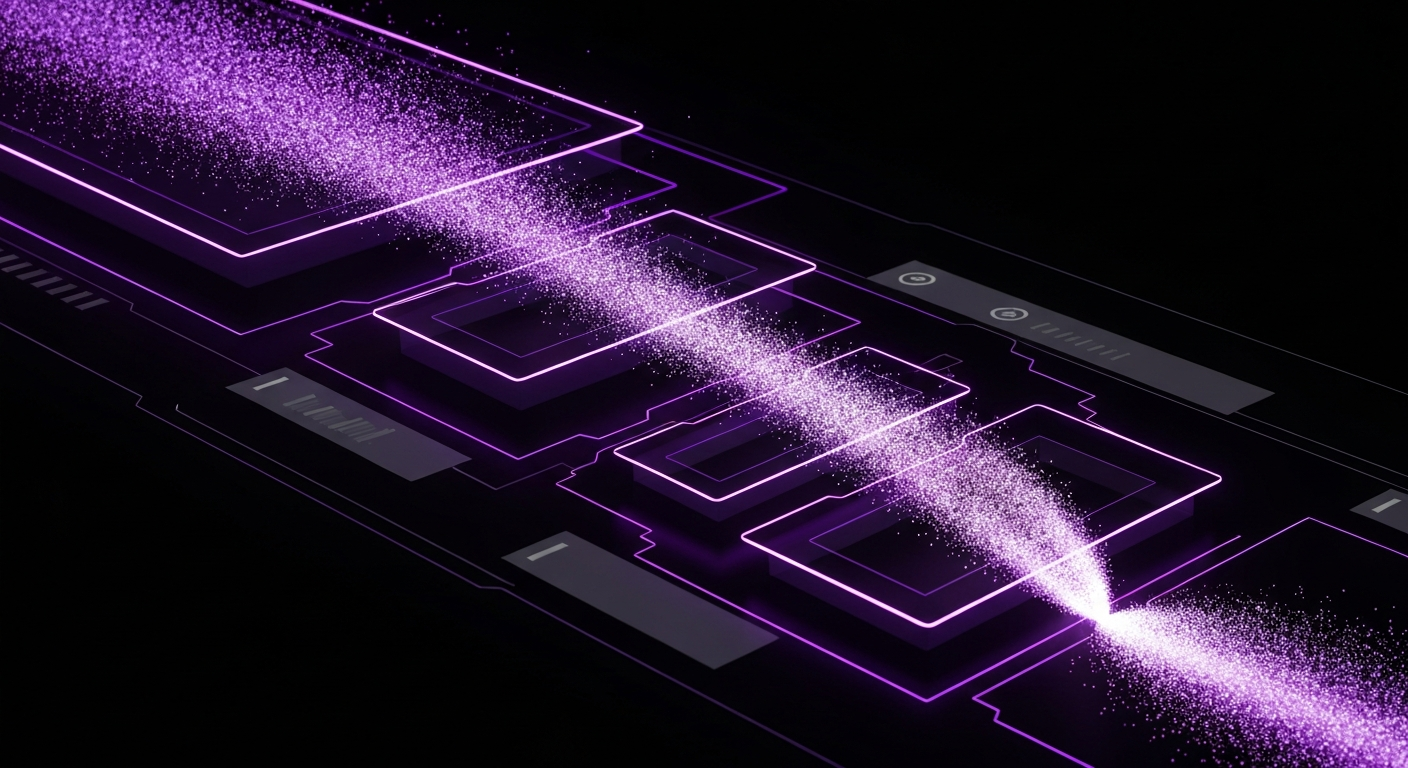
While the AIDA model provides the psychological foundation, modern digital marketers often use a practical, three-stage framework to structure their activities: Top of the Funnel (ToFu), Middle of the Funnel (MoFu), and Bottom of the Funnel (BoFu). This model directly aligns with AIDA’s principles but is framed around the types of content and marketing tactics used at each phase of the digital customer journey. It provides a clear roadmap for creating a content strategy that nurtures leads from initial awareness to the final purchase decision, helping you deliver the right message to the right person at the right time.
The Top of the Funnel corresponds to the Awareness stage of the AIDA model. The goal at ToFu is to attract the largest possible segment of your target audience. These individuals have a problem or a need and are just starting their research, but they may not be aware of your company or its solutions yet. The marketing strategy here is educational and informational, not sales-oriented. You aim to provide value and answer broad questions related to your industry. The key is to draw people in with helpful content that addresses their initial pain points without asking for much in return. Success at this stage is measured by metrics like website traffic, social media reach, and content engagement.
Once you’ve attracted an audience at the ToFu stage, the Middle of the Funnel is where you begin to qualify them as potential leads. This stage aligns with the Interest and Desire phases of AIDA. Prospects in MoFu have defined their problem and are now actively evaluating different solutions. They have moved beyond casual browsing and are looking for more in-depth information. Your goal is to position your brand as the best possible solution. This is where you typically ask for a small commitment, like an email address, in exchange for a high-value piece of content. This process, known as lead generation, allows you to start a direct conversation and nurture the relationship, building trust and demonstrating expertise.
The Bottom of the Funnel is where the final conversion happens, directly mirroring the Action stage of AIDA. Prospects who reach this stage are highly qualified and are on the verge of making a purchase. They have done their research, trust your brand, and are now comparing final options or looking for the final push to commit. Your marketing efforts here should be highly targeted and product-focused. The goal is to make it incredibly easy and compelling for them to choose you. Content and offers at this stage are designed to overcome any final hesitations and convert the lead into a customer, shifting the focus from education to the direct value of your specific solution.

Building a marketing funnel may seem daunting, but it can be broken down into a series of logical, manageable steps. The key is to approach it systematically, starting with a deep understanding of your customer and progressively building out the content, traffic sources, and conversion mechanisms. A well-constructed funnel acts as an automated system that guides potential customers through their buying journey, ensuring you deliver the right message at each critical juncture. This step-by-step process provides a solid foundation for creating a funnel that attracts visitors and effectively converts them into loyal customers.
The success of your entire marketing funnel hinges on this first step. If you do not know who you are talking to, your messaging will be generic and ineffective. You must develop detailed buyer personas—semi-fictional representations of your ideal customers based on market research and real data. A strong buyer persona includes demographic information (age, location, income), psychographic details (goals, challenges, values), and behavioral insights (how they research solutions, which social media platforms they use). This deep understanding allows you to tailor every piece of content, every ad, and every offer to resonate directly with the needs and motivations of your target audience.
With your buyer personas defined, the next step is to map out the content you will use to engage them at each stage of the funnel (ToFu, MoFu, and BoFu). The content must align with the customer’s mindset at that specific phase. For ToFu, create educational blog posts, infographics, and social media content that address their initial problems. For MoFu, develop in-depth resources like ebooks, webinars, and case studies that require an email signup, turning visitors into leads. For BoFu, create product-focused content like free trials, demos, and customer testimonials to help leads make a final purchase decision. The goal is a seamless content journey that answers questions and builds trust at every step.
A funnel is useless without traffic. You need a strategy to drive people to the top of your funnel. The channels you choose should be based on where your buyer personas spend their time online. Common traffic generation strategies include:
A healthy funnel often uses a mix of these channels to ensure a steady flow of new prospects.
Once you have traffic coming to your content, you need a system to convert that traffic into leads and then nurture those leads toward a sale. This process involves a few key components. First, you need compelling lead magnets (your MoFu content) and optimized landing pages with clear forms to capture visitor information. Once a visitor becomes a lead, the nurturing process begins, typically through marketing automation. You can set up automated email sequences that deliver a series of relevant, helpful emails over time, building the relationship, overcoming objections, and guiding the lead toward the bottom of the funnel.
Content is the fuel that powers your entire marketing funnel. Without the right content at the right stage, your funnel will stall, and prospects will lose interest. A successful content strategy involves creating a diverse portfolio of assets designed to meet the informational needs of your audience as they move from initial awareness to the point of purchase. Each piece of content should have a clear purpose, whether it is to attract a new visitor, capture a lead, or close a sale. By strategically mapping content to each funnel stage, you create a cohesive and persuasive customer journey that builds momentum and drives conversions.
At the Top of the Funnel (ToFu), your content should be broad, accessible, and highly shareable. The goal is to attract and educate, not to sell. This content should answer the common questions your buyer persona might be typing into a search engine. Think of it as providing value with no strings attached.
In the Middle of the Funnel (MoFu), the content becomes more substantial as you engage prospects who are actively looking for solutions. This is your opportunity to capture their contact information in exchange for more valuable, in-depth resources. This content should showcase your expertise and help prospects evaluate their options.
At the Bottom of the Funnel (BoFu), the content is all about conversion. The prospect is ready to make a decision, and your content should make it easy for them to choose you. This content is highly product-focused and designed to eliminate any final barriers to purchase.
A marketing funnel is not a “set it and forget it” tool. Its true power is unlocked through continuous measurement and optimization. To improve your funnel’s performance, you must track the right key performance indicators (KPIs) at each stage. Data reveals where your funnel is strong and, more importantly, where it is “leaky”—the points where prospects are dropping off. By analyzing these metrics, you can make informed decisions to refine your messaging, improve your content, and ultimately increase your conversion rates and return on investment.
At the top of the funnel, your goal is to maximize awareness and attract a broad audience. The metrics here focus on volume and visibility, telling you how many people you are reaching and how effectively you are driving them to your digital properties.
In the middle of the funnel, the focus shifts from quantity to quality. You are measuring how effectively you convert anonymous visitors into known leads and how engaged those leads are with your content. These metrics help you understand the effectiveness of your lead magnets and nurturing efforts.
At the bottom of the funnel, the metrics are tied directly to revenue and profitability. You are measuring your ability to turn qualified leads into paying customers and understanding the long-term value of those customers. These KPIs are the ultimate measure of your funnel’s success.
The principles of a marketing funnel are universal, but their application varies significantly across different industries. Understanding how diverse businesses implement the ToFu, MoFu, and BoFu stages can provide powerful inspiration for building your own. By looking at concrete examples from e-commerce, software-as-a-service (SaaS), and local service providers, you can see how the core concepts of attracting, engaging, and converting are adapted to fit unique customer journeys and business models.
E-commerce funnels are often fast-paced and highly optimized for seamless transactions. Amazon is a master of this.
SaaS funnels typically have a longer sales cycle and focus heavily on education and building trust. HubSpot’s content-driven funnel is a textbook example.
For a local service business, the funnel is often geographically focused and built around immediate need and trust.
Building a marketing funnel is a significant step towards systematic growth, but many businesses make critical mistakes that prevent their funnels from performing effectively. A funnel is not just a collection of landing pages and emails; it is a dynamic system that requires strategic thinking, consistent follow-up, and data-driven adjustments. Understanding the common pitfalls can help you proactively design a more resilient and successful funnel.
One of the most common mistakes is treating the purchase as the end of the journey. The funnel should not stop at the sale. The most profitable businesses know that retaining an existing customer is far cheaper than acquiring a new one. After a customer buys, you should have a system for onboarding, customer support, and engagement. This post-purchase phase is crucial for turning one-time buyers into repeat customers and brand advocates. To avoid this, implement a customer onboarding email sequence, ask for reviews, and create a loyalty program.
A “leaky” funnel is one where prospects drop out at various stages without any mechanism to re-engage them. For example, a visitor downloads an ebook but then never hears from you again, or a customer abandons their shopping cart. These are massive missed opportunities. You must plug these leaks with follow-up systems. Implement automated email nurturing sequences for new leads. Use retargeting ads to show relevant offers to people who visited your website but did not convert. For e-commerce, an abandoned cart email series is essential.
Creating a funnel and then never looking at the data is like trying to navigate a ship without a compass. You have no idea what is working, what is broken, or how to improve. Many marketers fail because they do not regularly review their funnel metrics. You must track conversion rates between each stage. Where is the biggest drop-off? Is your landing page converting poorly? Use tools like Google Analytics and heatmaps to understand user behavior. A/B test your headlines, calls-to-action, and offers. A marketing funnel is a living entity; it requires constant analysis and optimization to reach its full potential.
While the strategy behind a marketing funnel is paramount, the right technology stack can make implementation, automation, and optimization dramatically easier and more effective. Manually managing every lead and interaction is not scalable. Modern marketing tools handle the heavy lifting, from capturing leads and automating communication to tracking analytics and providing deep insights into customer behavior. Investing in a few key platforms can be the difference between a clunky, inefficient funnel and a smooth, automated engine for growth.
These tools are the central nervous system of your marketing funnel. A Customer Relationship Management (CRM) system stores all your lead and customer data, while an email marketing platform allows you to communicate with them at scale. Many modern platforms combine both functions.
Your Middle of the Funnel (MoFu) offers, like ebooks or webinars, need dedicated landing pages designed for one purpose: conversion. While some email platforms include landing page builders, dedicated tools often offer more advanced features, templates, and A/B testing capabilities.
To optimize your funnel, you need data. Analytics tools tell you *what* is happening, while heatmap tools can help you understand *why* it is happening by providing a visual representation of where users click, scroll, and pay attention on your pages.
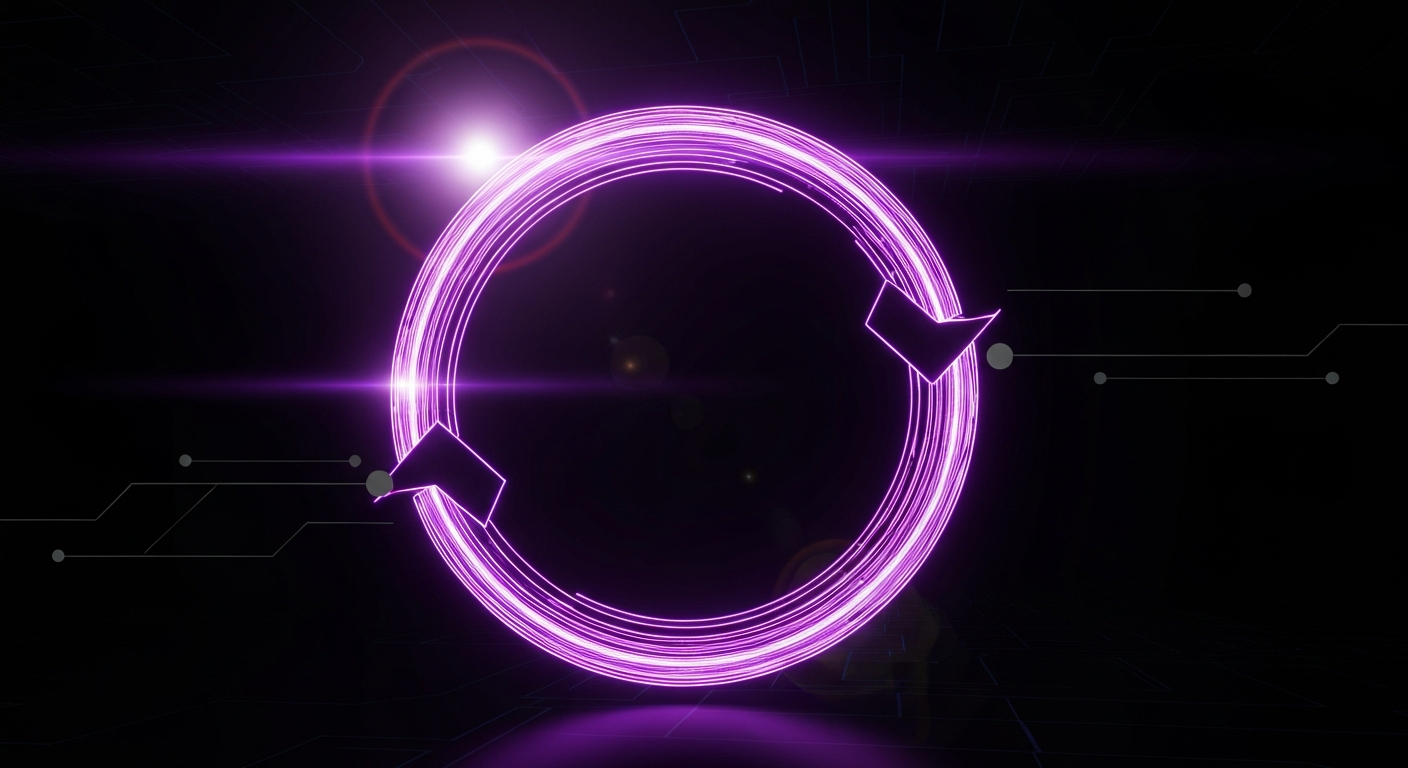
For decades, the funnel has been the dominant metaphor in marketing. It is a simple, effective way to visualize the process of acquiring a customer. However, the traditional funnel model has one major flaw: it is linear and effectively ends once a customer is acquired. All the energy you put into acquiring that customer stops, and you must start from scratch to find the next one. This has led to the rise of a complementary concept: the Flywheel Model.
Popularized by HubSpot, the Flywheel Model places the customer at the center of the business. Instead of a linear process, it is a circular model that leverages the momentum of happy customers to fuel further growth. The model consists of three phases: Attract, Engage, and Delight. In this framework, marketing, sales, and service teams work together to keep the flywheel spinning. The idea is that if you focus on creating an outstanding customer experience (the Delight phase), your happy customers will become your best marketing channel, feeding the Attract phase through referrals and positive reviews. This creates a self-sustaining loop of growth.
The flywheel does not replace the funnel; it reframes it. The funnel is still an excellent tool for understanding and optimizing specific processes, like a lead generation campaign. However, the flywheel provides a better high-level strategy for the business as a whole. It reminds us that the goal is not just to close a deal, but to create a successful customer who will, in turn, help acquire more customers. By reducing friction in your customer experience and applying force to delight your customers, you can create a powerful, sustainable growth engine that builds upon its own success.