




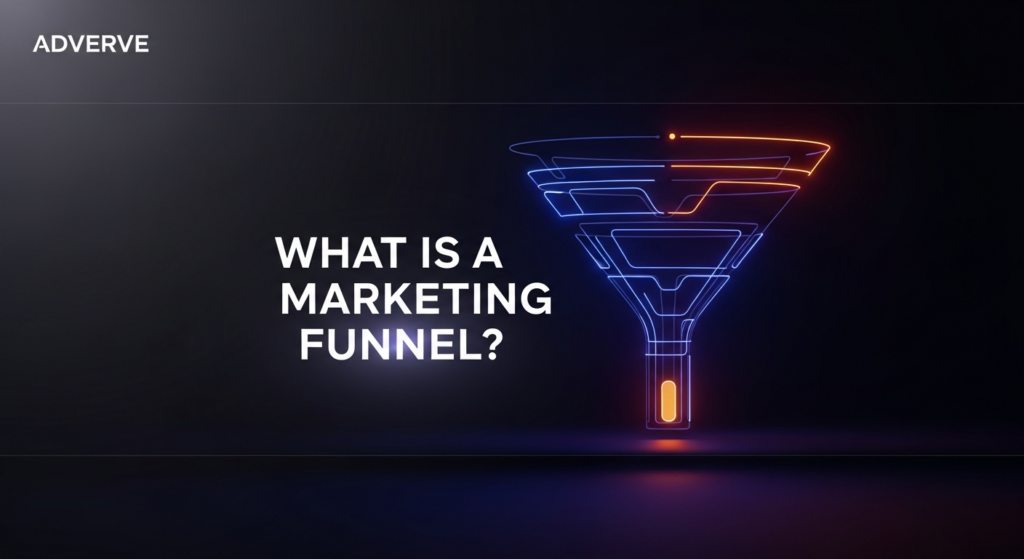

In the complex world of digital marketing, attracting a customer is rarely a single event. People typically don’t discover a brand and immediately make a purchase. Instead, they embark on a journey—a series of interactions and considerations that gradually move them from casual browser to loyal customer. The marketing funnel is the essential framework businesses use to map, understand, and optimize this process. It is a strategic model that visualizes the path a potential customer takes from their first point of contact with your brand to the ultimate goal: a conversion.
Understanding this journey is not merely a theoretical exercise; it is the foundation of a successful marketing strategy. It allows you to deliver the right message to the right person at the right time, building trust and guiding them seamlessly toward the solution you provide. Whether you’re a small business owner launching a new product or a seasoned marketer refining a campaign, mastering the marketing funnel is crucial for sustainable growth. This guide demystifies the concept, breaking down each stage with actionable strategies to help you build a high-converting funnel for your business.

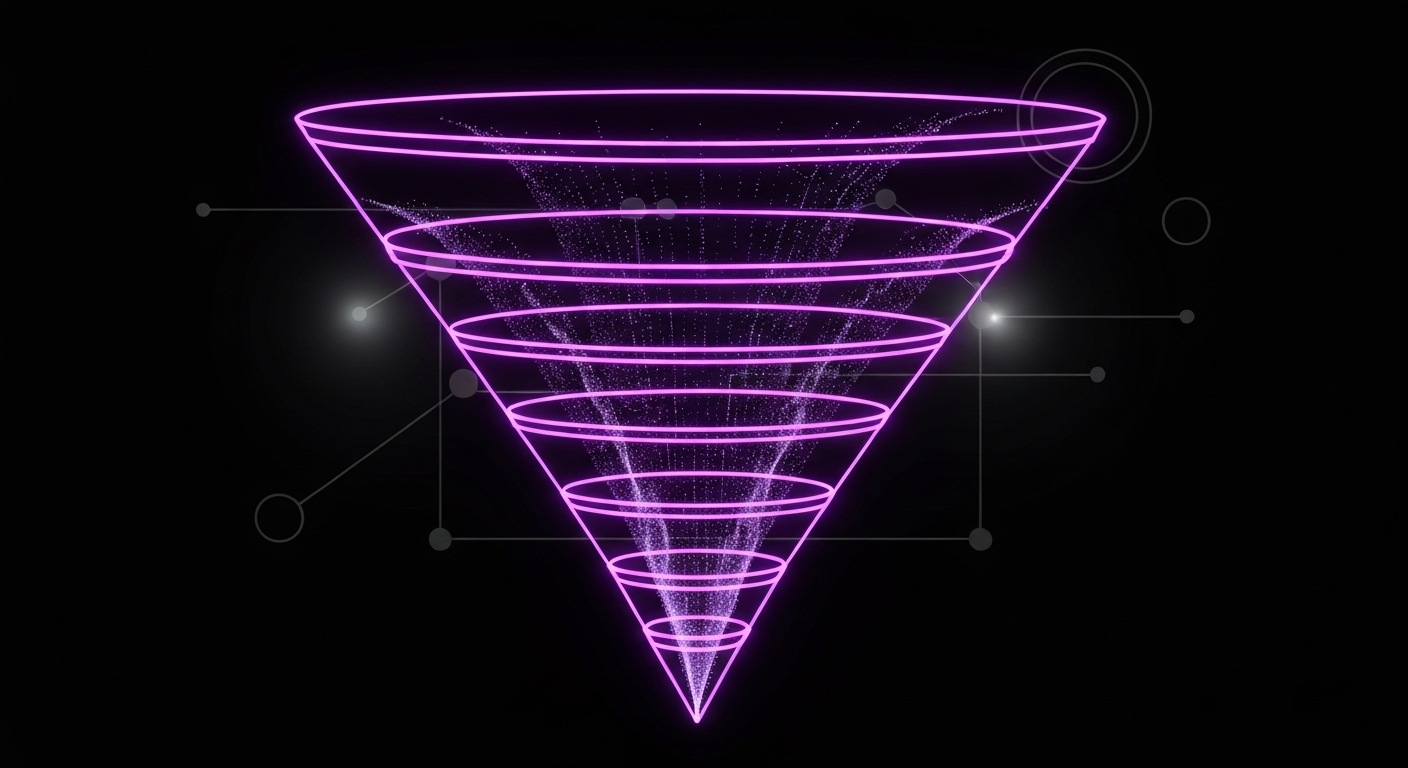
Imagine a physical funnel, wide at the top and narrow at the bottom. When you pour liquid in, only a refined, concentrated amount emerges. A marketing funnel operates on the same principle. The wide top represents the largest possible audience of potential customers who might be interested in what you offer. These are individuals just becoming aware of your brand or the problem your product solves, marking the beginning of their customer journey.
As these individuals move down the funnel, they are filtered and nurtured. Some will lose interest and “leak” out the sides—they weren’t the right fit, the timing was wrong, or a competitor caught their attention. Those who remain are the ones whose interest you’ve captured. You engage them with more specific information, build a relationship, and demonstrate why your solution is the best choice. The process continues, with the audience becoming smaller but more qualified and engaged at each descending stage.
Finally, at the narrowest point, you are left with the most highly qualified prospects who are ready to make a decision. Your job at this stage is to give them the final nudge they need to convert—to make a purchase, sign up for a service, or book a consultation. The funnel, therefore, is not a passive model but an active system for qualifying leads and efficiently allocating marketing resources to the prospects most likely to become customers.
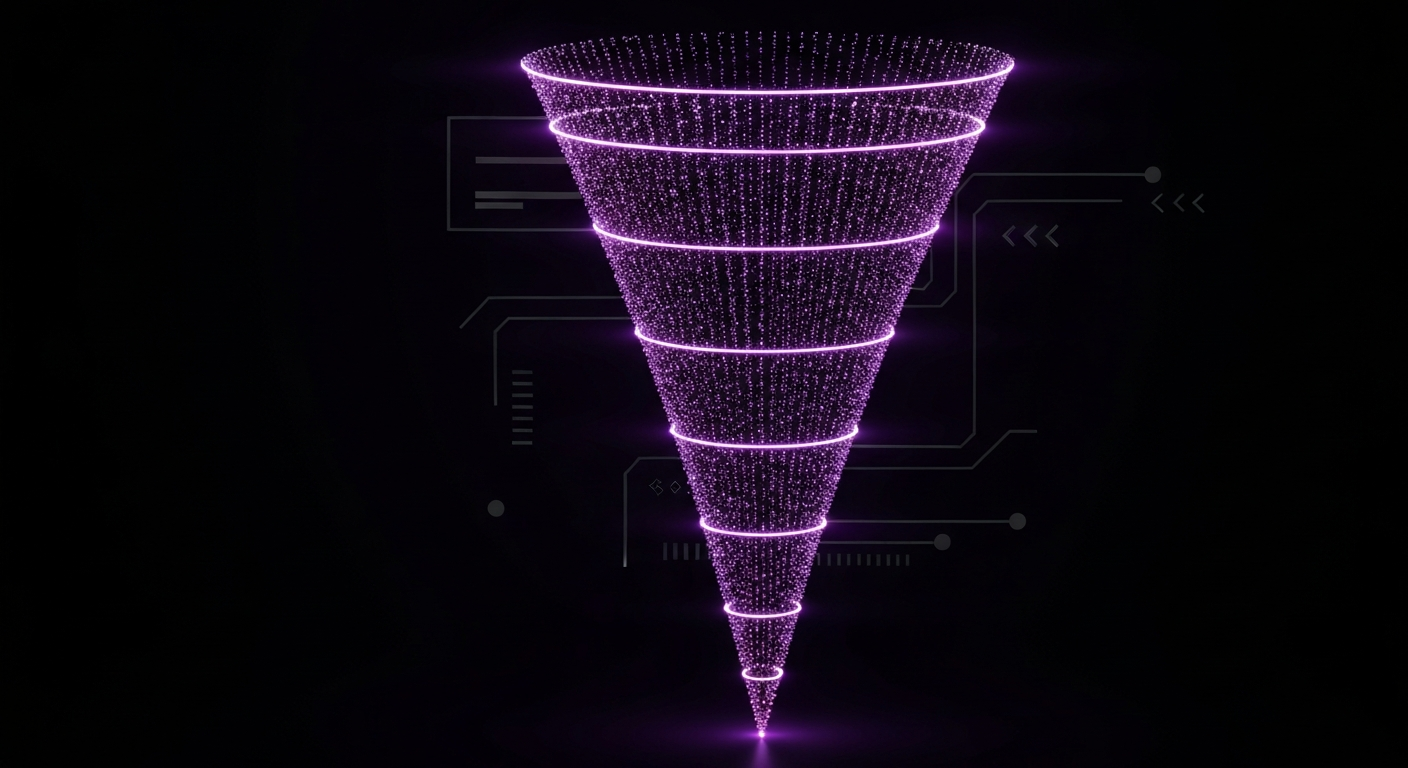
The most widely recognized framework for the marketing funnel is the AIDA model, an acronym that has stood the test of time for its simple yet powerful representation of the consumer’s cognitive journey. It breaks the path to purchase into four distinct, sequential stages: Awareness, Interest, Desire, and Action. Understanding each stage is fundamental to creating content and campaigns that effectively guide prospects from one to the next.
The Awareness stage is the Top of the Funnel (ToFu), where potential customers first encounter your brand. They may be experiencing the early symptoms of a problem but are not yet actively searching for a solution. The primary goal here is not to sell but to attract attention and introduce your brand to a broad audience. Your marketing efforts should focus on education, entertainment, and brand visibility. This involves casting a wide net to capture the attention of anyone who might eventually need your product or service. Content in this stage should be easily discoverable and shareable, addressing broad topics related to your industry.
Once a prospect is aware of your brand, they move into the Interest stage, which marks the beginning of the Middle of the Funnel (MoFu). Here, the individual has identified a problem or need and is actively researching to understand it better and explore potential solutions. They are no longer a passive audience member but an active information seeker. Your marketing goal shifts from broad attraction to targeted engagement. You must provide valuable, in-depth content that aids their research and positions your brand as a helpful authority, building trust and keeping your solution top-of-mind as they evaluate their options.
The Desire stage is a crucial pivot point within the MoFu. While the Interest stage is about educating the prospect on their problem and available solutions, the Desire stage is about making them want *your* specific solution. The focus shifts from general information to product-centric content that highlights your unique value proposition. You need to connect with the prospect on an emotional level, showing them exactly how your product or service can resolve their problem. This is where you showcase features as benefits, use social proof like testimonials, and create a compelling narrative that fosters a preference for your offering over competitors.
The final stage is Action, located at the Bottom of the Funnel (BoFu). The prospect has moved through Awareness, Interest, and Desire. They understand their problem, have researched solutions, and believe your product is the right choice. Now, you must make it as easy and compelling as possible for them to take the final step. Clear, strong calls-to-action (CTAs) are critical. Your marketing efforts should focus entirely on conversion, removing any friction from the purchasing process and providing a clear incentive to act now. This could be making a purchase, starting a free trial, or requesting a quote—the goal is to convert a qualified lead into a customer.
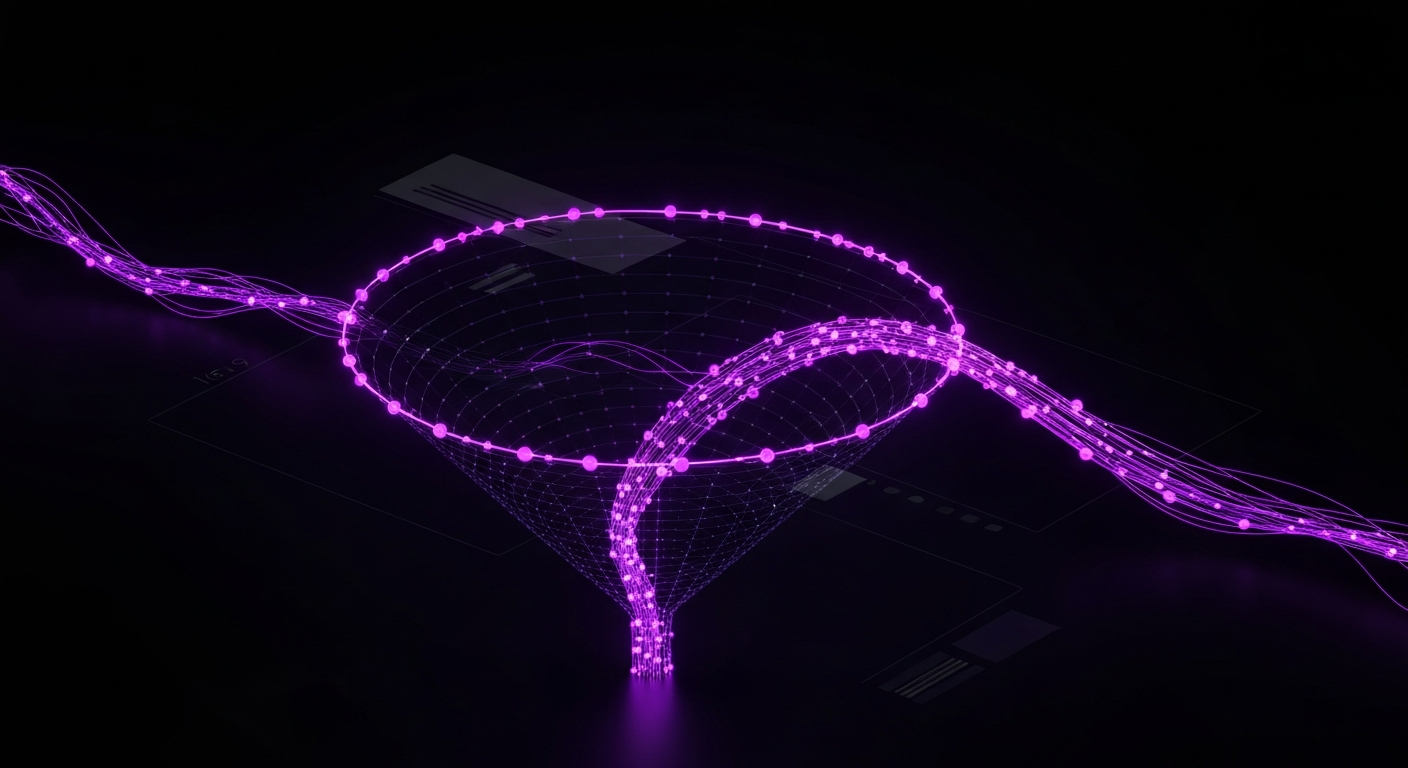
The traditional marketing funnel often concludes at the purchase. However, modern marketing recognizes that the customer relationship doesn’t end at the transaction; it is the beginning of a new, potentially more valuable phase. Successful businesses understand that retaining an existing customer is far more cost-effective than acquiring a new one. By extending the funnel beyond the sale, you can cultivate long-term relationships that drive repeat business and generate powerful word-of-mouth marketing.
After a purchase, a customer enters the Loyalty stage. The goal here is to provide an exceptional post-purchase experience that validates their decision and encourages them to return. This is where customer service, onboarding, and follow-up communication become paramount. A positive experience can transform a one-time buyer into a repeat customer, creating a “loyalty loop” that bypasses the need for extensive top-of-funnel marketing for subsequent purchases. Strategies include personalized follow-up emails, exclusive offers for existing customers, loyalty programs, and proactive support. By continuing to provide value after the sale, you build a foundation of trust that fosters long-term retention.
The ultimate goal beyond the sale is to reach the Advocacy stage, where a satisfied, loyal customer becomes a proactive promoter of your brand. These brand evangelists are your most powerful marketing asset. They not only provide repeat business but also actively recruit new customers by sharing their positive experiences. Their authentic endorsements carry more weight than any paid advertisement. To cultivate advocacy, you must consistently exceed expectations. Encourage this process by asking for reviews, creating referral programs, featuring user-generated content, and building a community where customers can connect and share their stories. These advocates then feed the top of your funnel with highly qualified, trust-based referrals, creating a self-sustaining cycle of growth.

The Top of the Funnel (ToFu) is all about reach and discovery. Your primary objective is to make your target audience aware that your brand exists and can provide value. The key is to create low-commitment, high-value content that addresses their initial questions and pain points without being overly promotional. This is your first impression, so it needs to be helpful and engaging.
Content marketing is the engine of any ToFu strategy. By creating and distributing valuable and relevant content, you attract and retain a clearly defined audience. This includes blog posts, articles, infographics, and videos that answer the broad questions your potential customers are entering into search engines. Search Engine Optimization (SEO) is the critical partner to content marketing. By optimizing your content with relevant keywords and ensuring your site is technically sound, you increase your visibility on search engine results pages (SERPs), ensuring your helpful content appears when a user searches for a solution.
Social media platforms are primary channels where your target audience is active. A strong ToFu strategy involves creating a presence on the platforms most relevant to your ideal customer. The goal is not just to broadcast your message but to engage in conversations, share valuable content, and build a community. Use visually appealing content like images and short videos to capture attention. Run polls, ask questions, and respond to comments to foster interaction. Social media is a powerful tool for driving traffic back to your website and introducing a new audience to your brand.
While organic methods like SEO and social media are crucial for long-term growth, paid advertising accelerates and guarantees reach at the top of the funnel. Platforms like Google Ads and social media advertising (Facebook, Instagram, LinkedIn) allow you to target specific demographics, interests, and behaviors with precision. For ToFu, focus on campaigns designed to build brand awareness or drive traffic to educational content, such as a blog post or a guide. The goal isn’t immediate conversion but to introduce your brand to a relevant audience and pull them into your funnel.

Once you’ve captured someone’s attention, they enter the Middle of the Funnel (MoFu), the critical lead nurturing phase. These individuals are no longer strangers; they are prospects who have shown interest and are actively evaluating solutions. Your goal is to build a relationship, establish trust, and position your offering as the superior choice. MoFu marketing requires a more targeted approach, providing deeper value in exchange for their attention and contact information.
A lead magnet is a valuable resource offered for free in exchange for a prospect’s contact information, typically an email address. This is the primary mechanism for converting an anonymous website visitor into a known lead. Effective lead magnets are highly specific, easily consumable, and offer a quick win or powerful insight. Examples include e-books, checklists, templates, whitepapers, or exclusive video training. A compelling lead magnet not only captures a lead but also segments them based on their interests, allowing for more personalized follow-up.
Once you’ve captured an email address, email marketing becomes your most powerful MoFu tool. Implement automated email sequences (often called drip or nurture campaigns) rather than sending sporadic, one-off messages. These are a series of pre-written emails sent automatically over several days or weeks, designed to educate the lead further, build trust, overcome objections, and gently guide them toward your solution. Each email should provide value and strengthen the relationship, positioning your brand as a trusted advisor.
As leads move deeper into the MoFu, they need more than general information; they need proof and in-depth explanations. Case studies provide powerful social proof, showcasing how real customers have successfully used your product to solve their problems. Webinars offer a platform for a deeper dive into a specific topic, allowing you to demonstrate your expertise in real-time, showcase your product, and answer questions directly from prospects. Both are high-value content formats that help serious prospects justify their decision and build a strong desire for your solution.

The Bottom of the Funnel (BoFu) is the final, decisive stage. Leads who reach this point are highly qualified; they are aware of their problem, have researched solutions, and have a strong interest in your offering. Your marketing efforts now shift from education and nurturing to conversion. The goal is to provide the final piece of information or incentive they need to make a purchase decision and to remove any remaining friction. Communication here should be direct, clear, and value-focused.
For software or complex products, one of the most effective BoFu strategies is to let the product sell itself. A free trial gives a potential customer hands-on experience, allowing them to see firsthand how it solves their problem. A personalized product demo provides a guided tour tailored to the prospect’s specific needs and questions. These high-touch offers are often the final step a user takes before committing to a purchase, as they eliminate uncertainty and build confidence in the product’s capabilities.
Sometimes, a qualified lead just needs a final nudge. Targeted offers and promotions can create a sense of urgency that encourages immediate action. This could be a limited-time discount, a special bundle that increases perceived value, free shipping, or a bonus item included with the purchase. These offers should be used strategically to close leads who are on the fence. By creating scarcity or adding extra value, you can overcome last-minute hesitation and significantly boost your conversion rate.
For high-ticket items or complex B2B services, a direct conversation is often necessary to close the deal. Offering a free consultation or sales call allows you to understand the prospect’s unique challenges and position your service as the perfect custom-fit solution. This one-on-one interaction builds a high level of trust and allows you to address specific concerns and negotiate terms. It’s a resource-intensive BoFu tactic, but for valuable conversions, the personal touch often makes all the difference.
For years, the linear marketing funnel has been the dominant model for understanding the customer journey. However, a newer concept, the Flywheel Model, has gained significant traction by offering a different perspective. The funnel treats customers as an output of the process, while the flywheel places them at the center, using their satisfaction to fuel growth. Understanding the strengths of each model helps you determine the best fit for your business strategy, or how to combine elements of both.
The traditional funnel is an excellent model for acquisition-focused businesses. It provides a clear, step-by-step framework for converting strangers into customers and helps identify leaks in the process. It excels at measuring conversion rates between stages and is particularly useful for businesses with distinct marketing and sales teams. However, its primary weakness is its linear nature; it can treat customers as an afterthought once the sale is made, potentially missing the value of retention and advocacy.
The Flywheel Model, in contrast, is a circular model focused on the entire customer experience, composed of three phases: Attract, Engage, and Delight. The core idea is that happy customers are your best marketing channel. By delighting them, you create momentum, as these customers become advocates who refer others, feeding the “Attract” phase and spinning the flywheel faster. This model encourages marketing, sales, and service teams to work together to reduce friction and increase customer satisfaction at every touchpoint. It is ideal for subscription-based businesses or those where customer lifetime value and word-of-mouth are critical growth drivers.
Ultimately, the choice isn’t necessarily about picking one over the other. Many businesses benefit from using both. The funnel can map and optimize the initial customer acquisition journey, while the flywheel provides a broader framework for long-term, customer-centric growth. You can use funnel-based tactics to get the flywheel spinning and then use its principles to delight those customers, turning them into a force that fuels future growth.
| Aspect | Marketing Funnel | Flywheel Model |
|---|---|---|
| Shape & Flow | Linear, top-down process. | Circular, cyclical process. |
| Primary Focus | Customer acquisition and conversion. | Customer experience and retention. |
| Customer’s Role | An output at the end of the process. | The central hub that drives growth. |
| Energy Source | Marketing and sales efforts push leads through. | Momentum from delighted customers spins the wheel. |
| End Goal | To make a sale. | To create delighted customers who become advocates. |
| Departmental View | Can lead to silos between marketing, sales, and service. | Promotes collaboration across all customer-facing teams. |

Building a marketing funnel may seem daunting, but it can be broken down into a series of logical steps. By following a structured process, you can create a cohesive customer journey that effectively guides prospects from initial awareness to final conversion. This five-step guide provides a practical roadmap for constructing your first high-performing marketing funnel.
You cannot build an effective funnel without knowing exactly who you are building it for. The first and most critical step is to create a detailed buyer persona—a semi-fictional representation of your ideal customer based on market research and real data. Go beyond basic demographics to understand their pain points, goals, motivations, and where they spend their time online. A clear persona will inform every subsequent decision, from the content you create to the channels you use.
A funnel without goals is merely a collection of marketing activities. To make it effective, you must define what success looks like at each stage by setting key performance indicators (KPIs). For the Top of the Funnel (ToFu), your goal might be to increase website traffic by a certain percentage. For the Middle of the Funnel (MoFu), it could be generating a specific number of new email leads per month. For the Bottom of the Funnel (BoFu), the goal is typically tied to revenue, such as achieving a target number of sales. Setting clear, measurable goals allows you to track progress and identify areas for improvement.
With your persona and goals in place, it’s time to create the assets that will move people through your funnel. This involves creating specific content designed to meet the needs of your audience at each stage. Map your content ideas to the funnel stages:
Ensure a clear path exists from one piece of content to the next. For example, a blog post (ToFu) should have a call-to-action to download a related e-book (MoFu), which in turn leads to an offer for a product demo (BoFu).
Your perfectly constructed funnel is useless if no one enters it. The next step is to actively drive traffic to your ToFu content. Utilize a mix of channels based on where your target persona spends their time. This can include:
Start with one or two channels, master them, and then expand your efforts as you gather data on what works best.
A marketing funnel is not a ‘set-it-and-forget-it’ system. It is a dynamic model that requires constant monitoring and optimization. Use analytics tools like Google Analytics to track your KPIs and identify bottlenecks or “leaks.” Where are you losing the most people? Is your lead magnet converting visitors effectively? This process, known as Conversion Rate Optimization (CRO), involves A/B testing elements like headlines, calls-to-action, and email subject lines to continuously improve performance at every stage.
To effectively manage and optimize your marketing funnel, you must track the right metrics at each stage. Data provides the insights needed to understand what’s working, what’s not, and where to focus your efforts. By monitoring a specific set of Key Performance Indicators (KPIs) for the top, middle, and bottom of the funnel, you can make informed decisions that drive better results.
At the top of the funnel, your goal is broad awareness. These metrics measure how effectively you are reaching your target audience.
In the middle of the funnel, the focus shifts from attracting an audience to converting that audience into qualified leads. These metrics measure the effectiveness of your lead generation efforts.
At the bottom of the funnel, the ultimate goal is to generate revenue. These metrics measure the effectiveness of your funnel in turning leads into customers and the overall profitability of your marketing.

Building a marketing funnel is a powerful step, but it’s easy to make mistakes that can hinder its performance. A “leaky” funnel, where prospects drop off unnecessarily, can waste your marketing budget and lead to missed opportunities. By being aware of these common pitfalls, you can proactively design a more robust and effective customer journey.
The terms are often used interchangeably, but there’s a subtle distinction. A marketing funnel covers the entire journey from initial awareness to lead generation, with the primary goal of creating qualified leads. A sales funnel typically starts where the marketing funnel leaves off, taking those qualified leads and guiding them through the final stages of the sales process, such as demos, proposals, and closing the deal. In many organizations, they are two halves of a single, larger revenue funnel.
There is no magic number. The classic AIDA model has four stages, while other models use three (Top, Middle, Bottom) or more, including stages like Loyalty and Advocacy. The right number of stages depends on the complexity of your product and the length of your sales cycle. A simple e-commerce purchase will have fewer stages than a complex B2B software sale. The key is to create a model that accurately reflects your specific customer’s journey.
Certainly. Here is a simple digital marketing funnel example:
A marketing funnel is incredibly important for a small business because it provides a structured framework for growth on a limited budget. It helps you understand your customer, focus marketing efforts where they will have the most impact, and automate the lead nurturing process. This allows a small team to build relationships with potential customers at scale, ensuring you spend your valuable time and money on leads who are most likely to convert, thereby maximizing your return on investment (ROI).
Fixing a leaky funnel begins with identifying where prospects are dropping off. Use analytics to track conversion rates between each stage. For example, if you have high traffic but a low lead conversion rate, the leak is between the ToFu and MoFu stages; the fix might be improving your call-to-action or lead magnet. If you have many leads but few sales, the leak is at the BoFu stage; the fix could be improving your sales page or offering a free trial. The process is a continuous cycle of analyzing data, forming a hypothesis, testing a change, and measuring the results.
Yes, the marketing funnel model is still highly relevant. While newer models like the flywheel have emerged to emphasize the customer experience, the core concept of the funnel—guiding a customer through a journey of awareness, consideration, and decision—remains a fundamental marketing principle. The modern customer journey may be less linear than a simple funnel suggests, but the framework is still an invaluable tool for mapping touchpoints, creating targeted content, and measuring the effectiveness of marketing campaigns. Many successful businesses use a hybrid approach, applying funnel principles to acquisition and flywheel principles to retention and growth.