






In today’s connected world, customers don’t see separate channels; they see a single brand. They might discover a product on Instagram, research it on their laptop, visit a physical store to see it in person, and purchase it through a mobile app. Customers expect this journey to be smooth, consistent, and interconnected. Anything less feels disjointed and frustrating. This is why an omnichannel marketing strategy is no longer just a competitive advantage—it’s a requirement for success.
Creating a seamless customer experience requires a fundamental shift from channel-centric thinking to a customer-centric model. It involves integrating technology, aligning messaging, and leveraging data to build a unified ecosystem where every touchpoint works in harmony. This guide will walk you through the essential components of building a successful omnichannel strategy, from its core principles to implementation and measurement. We will explore how to map the customer journey, eliminate data silos, and bridge the gap between your digital and physical worlds to create experiences that foster loyalty and drive growth.

An omnichannel marketing strategy is a holistic approach that provides customers with a seamless and unified experience across all channels and touchpoints. Unlike traditional models that treat each channel as a separate entity, an omnichannel strategy places the customer at the center of the ecosystem. The goal is to create a single, continuous conversation that follows the customer across every channel without losing context.
Consider this example: a customer adds a product to their cart on your website while browsing on their desktop. Later, on their commute home, they open your mobile app and see the same item still in their cart, ready for purchase. They might then receive a personalized email reminding them about the item, complete with a special offer. If they visit a physical store, a sales associate could access their online profile or wishlist to provide tailored recommendations. Each interaction is informed by the last, creating a fluid and intuitive journey.
This level of integration requires a deep understanding of the customer, powered by centralized data and a tightly integrated technology stack. It’s about more than being present on multiple platforms; it’s about orchestrating them to work together in service of the customer. The result is a relationship that feels personal, convenient, and cohesive, building trust and fostering long-term loyalty.
The terms “omnichannel” and “multichannel” are often used interchangeably, but they represent fundamentally different approaches. While both involve using multiple channels to interact with customers, their core philosophies and execution are worlds apart. Understanding this distinction is the first step toward building a truly customer-centric strategy.
A multichannel strategy focuses on giving customers multiple channels through which they can engage with a brand. A company might have a website, a mobile app, a social media presence, and physical stores. In a multichannel model, however, these channels operate independently. They are often managed by different teams with separate goals, budgets, and data systems. The customer experience on one channel has little to no bearing on the experience on another. For example, the social media team may run a promotion that the in-store staff is unaware of, leading to customer confusion. The primary focus is on maximizing the performance of each individual channel, not on the customer’s overall journey.
An omnichannel strategy builds on a multichannel foundation by adding a crucial layer of integration. The focus shifts from the channel to the customer. All channels are connected and work in concert to create a single, unified experience. Data is centralized and shared across the organization, so every touchpoint has access to the same customer profile and interaction history. This allows the brand to maintain context as the customer moves between channels. An item viewed on the app can trigger a retargeting ad on social media. A support ticket initiated via live chat can be seamlessly continued over the phone without the customer having to repeat themselves. The goal is to make the entire journey feel like one continuous, personalized conversation with the brand.
| Aspect | Multichannel Marketing | Omnichannel Marketing |
|---|---|---|
| Primary Focus | Channel-centric: maximizing engagement on each platform. | Customer-centric: creating a seamless journey for the individual. |
| Channels | Operate independently, often in silos. | Integrated and work together in a cohesive ecosystem. |
| Customer Experience | Can be fragmented and inconsistent between channels. | Consistent, seamless, and unified across all touchpoints. |
| Data & Technology | Data is siloed within each channel or department. | Data is centralized and shared, creating a single customer view. |
In an increasingly saturated market, products and prices can often be easily matched by competitors. The primary differentiator that remains is the customer experience (CX). Modern consumers have higher expectations than ever; they demand convenience, personalization, and consistency from the brands they engage with. A seamless omnichannel experience is no longer a luxury—it’s a core driver of business success, directly impacting loyalty, revenue, and market position.
A positive customer experience is the cornerstone of loyalty. When a customer’s journey is frictionless and consistent across all touchpoints, it builds trust and reinforces their decision to choose your brand. An omnichannel approach eliminates common frustrations, such as having to repeat information to different service agents or seeing conflicting information online and in-store. By making interactions easy and intuitive, you show customers that you value their time and understand their needs. This positive reinforcement encourages repeat business, transforming one-time buyers into loyal advocates. Since acquiring a new customer is significantly more expensive than retaining an existing one, investing in a seamless CX is a highly effective strategy for sustainable growth.
Customer Lifetime Value (CLV) is a critical metric that predicts the total revenue a business can expect from a single customer. A superior omnichannel experience directly contributes to a higher CLV. First, it increases retention, meaning customers stay with your brand longer. Second, the unified data collected in an omnichannel system allows for smarter, more effective personalization. By understanding a customer’s purchase history, browsing behavior, and preferences, you can deliver highly relevant product recommendations and targeted offers. This data-driven approach to upselling and cross-selling is more effective because it feels helpful rather than intrusive, leading to a higher average order value and increased purchase frequency.
While many companies operate on multiple channels, few have successfully integrated them into a true omnichannel ecosystem. Those that do create a powerful competitive advantage. A brand that allows a customer to easily return an online purchase in-store, or provides store associates with tools to see a customer’s online wishlist, offers a level of convenience and service that competitors with siloed operations cannot match. This superior experience becomes a key reason for customers to choose and stick with your brand, even if a competitor offers a slightly lower price. In a world of endless choices, the brand that provides the most seamless, personalized, and hassle-free experience will ultimately win.
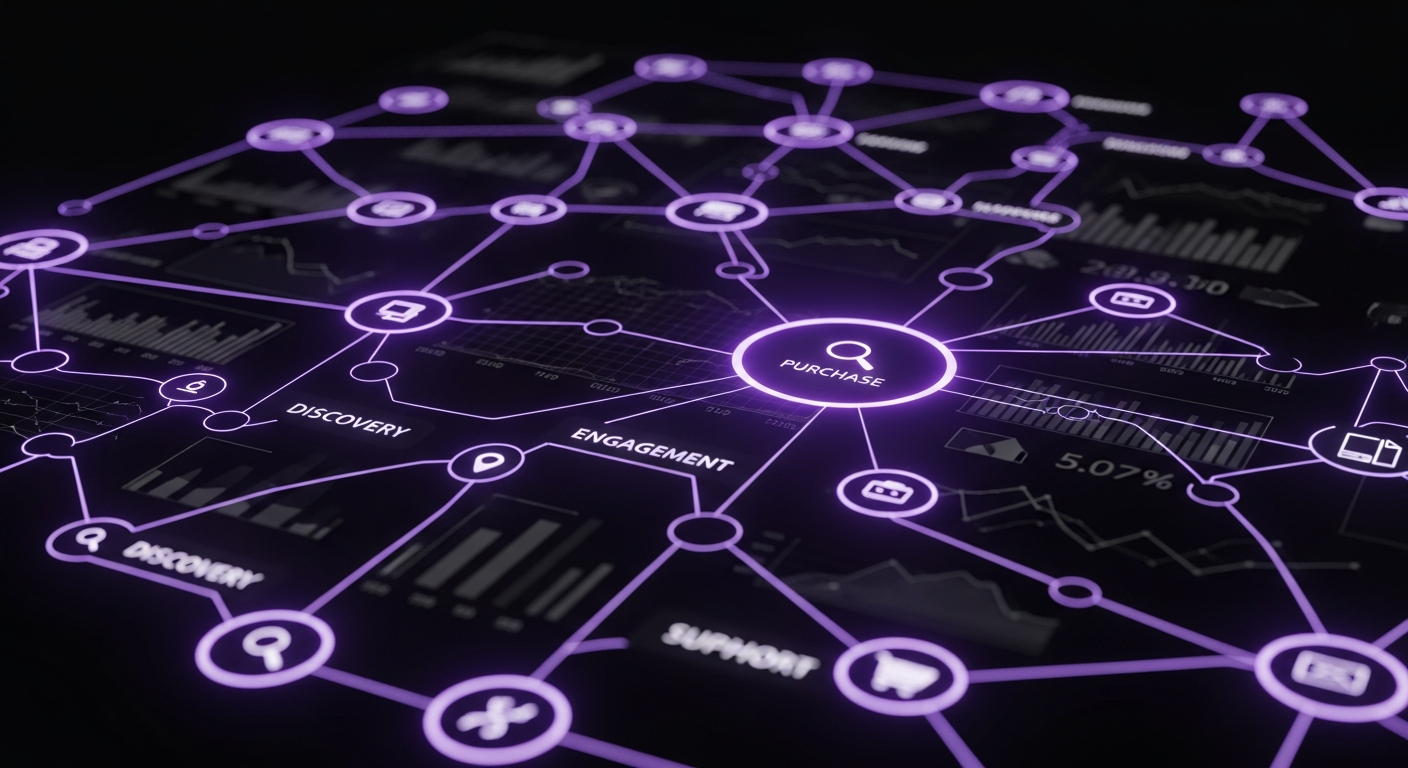
Before you can create a seamless experience, you must first understand the journey your customers currently take. Customer journey mapping is the process of visualizing every interaction a customer has with your brand, from initial awareness to post-purchase support and advocacy. This foundational exercise is critical for identifying strengths, friction points, and opportunities for improvement. It forces you to see your business from the customer’s perspective—the essence of an omnichannel approach.
The first part of mapping is to outline the major stages of the customer lifecycle, which typically include Awareness, Consideration, Purchase, Service, and Loyalty. Within each stage, identify all potential touchpoints where a customer might interact with your brand. For example, in the Awareness stage, touchpoints could include a social media ad, a search engine result, a blog post, or word-of-mouth. In the Purchase stage, it could be a product page on your website, the checkout process on your app, or a conversation with a sales associate in a store. Be exhaustive and list every possible interaction across all online and offline channels.
However, a generic journey map is not enough. Different customer segments have unique needs, motivations, and behaviors. Creating detailed customer personas—semi-fictional representations of your ideal customers based on data and research—is essential. A persona should include demographic information, goals, pain points, and preferred communication channels. For example, a busy professional might prefer a quick “buy online, pick-up in-store” option, while a price-sensitive student might be more responsive to promotions delivered via email. Mapping the journey for each key persona will reveal unique paths and specific friction points.
With your stages, touchpoints, and personas defined, you can analyze the journey in detail. For each step, ask critical questions: What is the customer thinking or feeling? What are their goals? What pain points or obstacles do they face? This is where you uncover the broken links in your experience. Perhaps the transition from your social media ad to your website is clunky, or your in-store return process for online orders is complicated. These friction points are your top priorities for improvement. Conversely, this analysis also reveals opportunities to delight customers. Could you send a helpful how-to video after a customer purchases a complex product? Could your app provide in-store navigation to a product on a customer’s wishlist? This process turns abstract goals into a concrete action plan.

An omnichannel strategy is impossible without a technology stack that supports a unified, 360-degree view of the customer. Siloed data is the single biggest barrier to a seamless experience. If your website analytics, point-of-sale system, CRM, and marketing platforms do not communicate, you can never understand the full customer journey. Integrating your technology is the backbone that makes all subsequent personalization and orchestration possible.
A Customer Data Platform (CDP) is the heart of a modern omnichannel technology stack. Its primary function is to collect customer data from all sources—online and offline—and consolidate it into a single, persistent, and unified customer profile. This includes behavioral data from your website and app, transactional data from e-commerce and POS systems, demographic data from your CRM, and interaction data from customer service tools. By creating this single source of truth, a CDP makes customer data accessible to all other platforms in your stack, ensuring that every department works from the same complete information.
Your Customer Relationship Management (CRM) system is typically the repository for sales interactions and long-term customer relationships, while your marketing automation platform executes campaigns via email, SMS, and other channels. In an omnichannel setup, these tools must be bidirectionally synced with your CDP. When a salesperson updates a customer’s record in the CRM, that information should flow to the marketing automation tool to inform future campaigns. Similarly, when a customer engages with a marketing email, that behavioral data should be logged in the CDP and be visible within the CRM. This integration ensures marketing and sales efforts are aligned and contextually aware.
Technology integration is only half the battle; success also requires a culture of collaboration and data sharing across the organization. Historically, departments like marketing, sales, customer service, and retail operations have operated in their own silos with their own data and KPIs. An omnichannel strategy requires these walls to come down. Leadership must champion the importance of a unified customer view and restructure teams and incentives to encourage cross-functional collaboration. When the in-store team has visibility into a customer’s online browsing history and the customer service team can see a recent in-store purchase, they are empowered to provide a truly seamless and informed experience.
Once your data and technology are integrated, you must ensure the customer-facing experience is just as unified. Brand consistency is a cornerstone of an effective omnichannel strategy. When a customer interacts with your brand, whether on a mobile app, a physical storefront, or a social media post, the experience should feel familiar and cohesive. Inconsistent messaging, design, or offers can erode trust and create a jarring experience, undermining your efforts to present a unified brand.
Your brand’s tone of voice is its personality. Whether it is witty and informal or professional and authoritative, it must be applied consistently across all channels. The copy on your website, the text in your emails, the captions on your social media posts, and even the scripts used by your customer service agents should all sound like they come from the same brand. Creating a comprehensive brand style guide that outlines your tone, vocabulary, and messaging principles is an essential tool for ensuring everyone in your organization communicates with one voice.
Visual consistency is just as important as tonal consistency. Your logo, color palette, typography, and imagery are powerful brand identifiers. These elements should be uniform across all digital and physical touchpoints. A customer should instantly recognize your brand, whether they see a billboard, a mobile banner ad, or product packaging. This visual alignment builds brand recognition, reinforces professionalism, and creates a sense of reliability and trust. A fragmented visual identity makes a brand look disorganized and can confuse the customer.
One of the most common and frustrating breakdowns in a non-omnichannel experience is inconsistency in pricing and promotions. A customer might see a sale advertised online only to find it’s not honored in the physical store, or vice versa. An omnichannel approach demands that all offers are synchronized. If a promotion is channel-specific, this must be communicated clearly and upfront. Ideally, a customer should be able to use a discount code received via email whether they are checking out online, in-app, or at a cash register. This consistency removes friction from the buying process and ensures the customer feels they are being treated fairly, regardless of how they choose to shop.
With a unified customer profile in place, you can move beyond generic marketing and deliver truly personalized experiences. Personalization is the art of using customer data to tailor content, recommendations, and interactions to an individual’s specific needs and behaviors. In an omnichannel context, this means leveraging a holistic customer view to create relevant and timely experiences across every channel. This is where the investment in data integration yields its greatest returns.
The rich behavioral data collected by your CDP—such as pages viewed, products clicked, and content downloaded—is a goldmine for personalization. If a customer has spent time browsing hiking boots on your website, your system should automatically prioritize showing them content related to hiking, such as blog posts about local trails or targeted ads for complementary gear like backpacks. This approach makes your marketing feel less like an interruption and more like a helpful service.
E-commerce giants like Amazon have mastered the art of dynamic product recommendations, and the same principles are central to omnichannel success. By analyzing a customer’s past purchases and browsing history, as well as the behavior of similar customers, you can automatically suggest products they are highly likely to be interested in. These recommendations can be deployed across multiple channels: on your website’s homepage, within personalized emails, on your mobile app, and even on tablets used by in-store associates to assist shoppers. This not only improves the customer experience but also significantly increases average order value.
Omnichannel personalization extends beyond the screen. Data from digital interactions can enhance the physical store experience, and vice versa. For example, a customer who added items to their online wishlist could receive a push notification via the mobile app when they enter a physical store, guiding them to where those items are located. A store associate with a clienteling app could view a loyal customer’s purchase history and preferences, allowing them to offer highly personalized service and recommendations. This merging of digital insights with human interaction creates a powerful and memorable brand experience.
A true omnichannel strategy seamlessly connects the digital and physical worlds, recognizing that for many customers, the journey involves both. Creating this link requires specific tactics and technologies designed to make the transition between online and offline as smooth as possible. By integrating these experiences, you provide customers with the ultimate convenience and flexibility, allowing them to interact with your brand on their own terms.
BOPIS, along with its variations like curbside pickup and BORIS (Buy Online, Return In-Store), is a cornerstone of modern retail. This service offers the best of both worlds: the convenience of online shopping combined with the immediacy of in-store pickup, eliminating shipping costs and wait times. From a business perspective, BOPIS is a powerful tool for driving foot traffic to physical locations, creating opportunities for additional in-store purchases. A successful BOPIS program requires real-time inventory visibility, clear customer communication regarding order status, and well-trained staff who can provide a quick and friendly pickup experience.
Mobile devices are the perfect bridge between the digital and physical realms. By using technologies like geofencing and beacons, brands can deliver location-aware messages and offers directly to a customer’s smartphone. For instance, a loyal customer who walks past your store could receive a push notification with a personalized offer, enticing them to come inside. A beacon placed in a specific department could trigger a notification about a promotion on a product the customer has previously viewed online. When used thoughtfully, these mobile interactions feel highly relevant and enhance the in-store shopping experience.
Your front-line employees are one of your most critical omnichannel assets. They are the human face of your brand and play a pivotal role in bridging the online-offline gap. Staff must be trained to be more than just cashiers; they need to be knowledgeable brand ambassadors. This means equipping them with the tools and information to help customers effectively. They should be able to look up online order histories, check inventory at other store locations, process in-store returns for online purchases, and even place online orders for customers if an item is out of stock. When your staff is empowered to solve problems and enhance the customer journey using all available channels, they become key drivers of your omnichannel success.
Theory is one thing, but seeing omnichannel marketing in action is the best way to understand its power. Several leading brands have set the standard for creating seamless, customer-centric experiences that blend the digital and physical worlds. These examples showcase how integrating technology, data, and customer service can lead to exceptional results.
Starbucks offers a masterclass in omnichannel execution, with its mobile app and Rewards program at the core. The app is a central hub for the customer experience. A customer can check their star balance, reload their card, and receive personalized offers. They can then use the app to pay in-store or order ahead to skip the line. The key is the seamless integration: any change—a payment, a reward earned, an order placed—is updated in real-time across all platforms. A customer can reload their card on the website in the morning, and the new balance is instantly available on their app when they pay at the counter. This frictionless experience encourages frequent use and builds deep customer loyalty.
Disney’s MyMagic+ platform, powered by the MagicBand wristband, is one of the most ambitious and comprehensive omnichannel implementations ever created. The MagicBand serves as a customer’s all-in-one key to their entire Walt Disney World experience. It functions as their park ticket, hotel room key, FastPass for rides, and payment method for food and merchandise. It also links to their PhotoPass account, automatically collecting photos taken by park photographers. All of this is managed through the My Disney Experience app and website, allowing guests to plan their itinerary from home. This system connects every touchpoint of the customer’s vacation into one unified, magical experience, creating unparalleled convenience and personalization.
Sephora has been a leader in bridging the gap between digital and in-store beauty shopping. Their Beauty Insider loyalty program is the foundation, unifying a customer’s purchase history and preferences across all channels. In-store, they offer high-tech tools like the Color IQ scanner, which finds the perfect foundation shade for a customer’s skin tone. The results are saved to the customer’s Beauty Insider profile, so they can easily re-purchase the correct shade online later. Their mobile app features a “Virtual Artist” that uses augmented reality to let customers try on makeup virtually. Any products they like can be saved to a list for purchase online or for reference during their next store visit. This integration of technology and personal profiles empowers customers and creates a highly personalized and helpful shopping journey.

Implementing an omnichannel strategy is a significant investment of time, resources, and technology. Therefore, it is crucial to have a clear framework for measuring success and demonstrating its return on investment (ROI). Traditional, channel-specific metrics are no longer sufficient. You need to adopt a holistic measurement approach that reflects the cross-channel nature of the customer journey.
To gauge the effectiveness of your omnichannel strategy, focus on customer-centric KPIs that reflect long-term value and satisfaction. Key metrics include:
One of the biggest challenges in measuring omnichannel ROI is attribution. A simple “last-touch” model, which gives full credit for a sale to the final touchpoint, is inadequate. A customer may have seen a social media ad, read a blog post, and received an email before finally making a purchase through a direct website visit. A multi-touch attribution model is necessary to understand the true impact of each channel. Models like linear, time-decay, or U-shaped attribution distribute credit across all contributing touchpoints, giving you a more accurate picture of which channels are most effective at different stages of the journey.
Quantitative data tells you *what* is happening, while qualitative feedback from customers tells you *why*. Actively solicit feedback through various channels, such as post-purchase surveys, online reviews, and customer service interactions. Analyze this feedback to identify recurring themes, common pain points, and areas where your experience is delighting customers. This direct input is invaluable for refining your strategy, prioritizing improvements, and ensuring that your efforts are genuinely meeting customer expectations. Combining this qualitative insight with your quantitative data provides a complete and actionable view of your omnichannel performance.
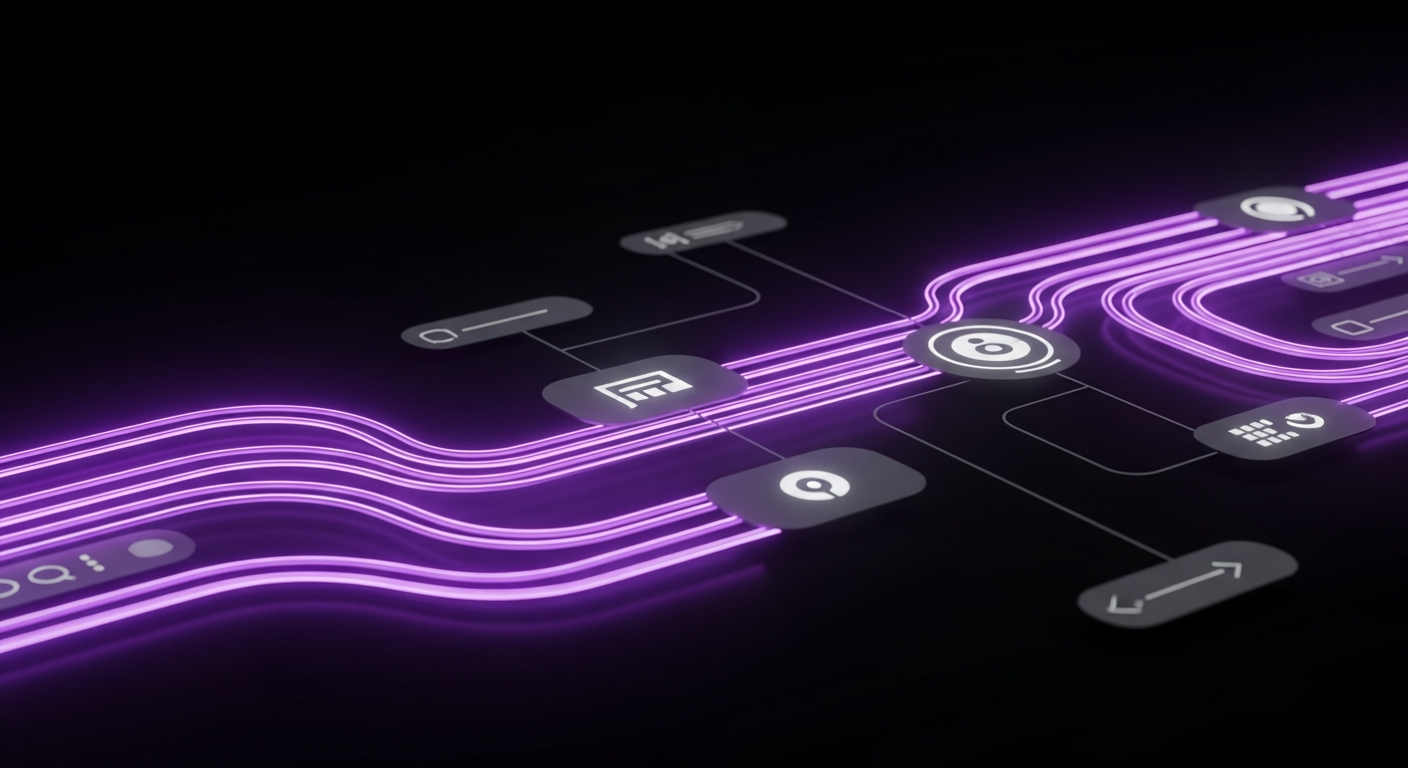
The lines between the physical and digital worlds have permanently blurred. Customers no longer follow a linear path to purchase; their journey is fluid, dynamic, and unfolds across a multitude of touchpoints. In this new reality, an omnichannel strategy is not just a trend—it is the foundational blueprint for modern customer engagement. It represents a fundamental shift from a business-centric view of channels to a customer-centric view of the experience.
Building a true omnichannel ecosystem is a complex undertaking that requires strategic alignment, technological integration, and a cultural commitment to breaking down silos. However, the rewards are immense. Brands that master this approach build deeper, more resilient customer relationships. They foster loyalty that transcends price, increase the lifetime value of each customer, and establish a powerful competitive advantage that is difficult to replicate. As technology evolves and customer expectations rise, the brands that place a seamless, unified, and personalized experience at the heart of their strategy will be the ones that thrive.