





In the pursuit of business growth, the spotlight often shines brightest on customer acquisition. While attracting new customers is vital, the engine of sustainable success is retaining the ones you already have. This is the art and science of customer retention. A well-executed retention strategy transforms one-time buyers into loyal advocates, creating a stable foundation for revenue and long-term brand health. It represents a shift from a transactional mindset to a relational one, focusing on building lasting connections that deliver value far beyond a single purchase.
This guide delves into the core principles of customer retention. We will explore its financial impact, break down the foundational pillars of service and personalization, and provide actionable strategies for everything from loyalty programs to feedback loops. Whether you’re a small startup or an established enterprise, mastering customer retention is an essential component of a resilient and thriving business. You will learn how to build a customer-centric culture that fosters unwavering loyalty and drives predictable, profitable growth.

At its core, customer retention refers to the activities and strategies a business employs to prevent existing customers from defecting to a competitor. It is a proactive effort to ensure customers continue to buy from you, subscribe to your service, and remain engaged with your brand over the long term. This stands in contrast to customer acquisition, which focuses on attracting new business. While both are necessary, they serve different purposes and operate on different economic principles.
Understanding this distinction is crucial. Acquisition is about making a promise and closing the first sale; retention is about consistently delivering on that promise to build a relationship. Neglecting retention is like constantly pouring water into a leaky bucket—no matter how much effort you put into filling it, you continuously lose a significant portion of what you gain. A strong retention strategy plugs those leaks, allowing your business to accumulate value and grow more efficiently.
To fully grasp the importance of retention, it helps to see it side-by-side with acquisition. While interconnected, their objectives, costs, and ultimate business impact differ significantly. Acquisition is the initial handshake; retention is the ongoing conversation that builds trust and loyalty.
| Aspect | Customer Acquisition | Customer Retention |
|---|---|---|
| Focus | Attracting and converting new leads. | Engaging and satisfying existing customers. |
| Primary Goal | Increase market share and customer base. | Increase Customer Lifetime Value (CLV) and profitability. |
| Key Tactics | Advertising, SEO, content marketing, lead generation. | Loyalty programs, personalization, customer support, email marketing. |
| Cost | High. Research suggests it can cost 5 to 25 times more to acquire a new customer than to retain an existing one. | Low. Focuses on leveraging existing relationships and data. |
| ROI Timeline | Often shorter-term, focused on the first purchase. | Longer-term, focused on repeat purchases and advocacy. |
The strategic importance of customer retention extends far beyond maintaining a long customer list. It has a direct and profound impact on a company’s bottom line and brand reputation. First, retained customers are more profitable. They have already overcome the initial barrier of trust and are more likely to make repeat purchases. Over time, their average order value often increases as they explore more of your products or services. Furthermore, loyal customers tend to be less price-sensitive, focusing more on the value and consistent experience you provide rather than seeking the lowest-cost alternative.
Beyond direct profitability, retained customers evolve into one of your most powerful marketing assets: brand advocates. A satisfied, long-term customer is far more likely to recommend your business to friends, family, and colleagues. This word-of-mouth marketing is incredibly effective because it comes from a trusted, impartial source, and it’s essentially free. These advocates defend your brand, provide valuable feedback, and create a positive cycle that drives organic, high-quality customer acquisition. In this way, a strong retention strategy not only saves money but also actively fuels your growth engine.

While the conceptual benefits of customer retention are clear, its true power is revealed in the numbers. Several key financial metrics directly link retention efforts to profitability, providing a compelling, data-driven case for investing in customer loyalty. By understanding and tracking these metrics, businesses can quantify the success of their strategies and make informed decisions that drive sustainable growth. These figures elevate retention from a “nice-to-have” initiative to a core business imperative.
Customer Lifetime Value (CLV) is a critical metric that forecasts the total net profit a business can expect from a single customer over the entire duration of their relationship. It shifts the focus from a single transaction to the long-term value of a loyal customer. A high CLV indicates that customers are not only staying with your brand but are also spending more over time. Improving retention is one of the most direct ways to increase CLV.
A simple way to calculate CLV is:
CLV = (Average Purchase Value) x (Average Purchase Frequency) x (Average Customer Lifespan)
For example, if a customer spends an average of $50 per purchase, buys from you 4 times a year, and remains a customer for 5 years, their CLV would be $50 x 4 x 5 = $1,000. By increasing their lifespan by just one year through effective retention, their CLV jumps to $1,250—a 25% increase from a single customer.
Customer Acquisition Cost (CAC) represents the total cost associated with acquiring a new customer. This includes all sales and marketing expenses—from ad spend and content creation to sales team salaries—divided by the number of new customers acquired in a specific period. The formula is straightforward:
CAC = (Total Sales & Marketing Costs) / (Number of New Customers Acquired)
CAC is crucial because it provides context for CLV. A healthy business aims for a CLV that is significantly higher than its CAC. A commonly cited benchmark is a CLV to CAC ratio of 3:1 or higher, meaning for every dollar spent acquiring a customer, you generate three dollars back over their lifetime. A strong retention strategy ensures that each hard-won customer delivers maximum value, justifying the initial investment.
A widely cited statistic from research by Bain & Company found that increasing customer retention rates by just 5% can increase profits by 25% to 95%. This staggering figure highlights the immense leverage that retention has on profitability. But why is the effect so dramatic?
The reasons are multifaceted:
This powerful multiplier effect demonstrates that even small improvements in your retention strategy can yield exponential returns, making it one of the highest-impact areas a business can focus on.

Exceptional customer service is not just a department; it’s a philosophy and a critical pillar of any successful retention strategy. When customers encounter a problem, their interaction with your support team becomes a defining moment in their relationship with your brand. A positive, helpful, and efficient experience can transform a frustrated customer into a fiercely loyal one. Conversely, a poor support interaction is one of the fastest ways to drive a customer to your competition. Building a reputation for outstanding service creates a powerful and durable competitive advantage.
Traditionally, customer support has been reactive: a customer has a problem, they contact you, and you solve it. While effective problem resolution is essential, leading companies are shifting towards a proactive support model. Proactive support involves anticipating customer needs and addressing potential issues before they arise. This approach demonstrates that you are looking out for your customers’ best interests, which builds trust and reduces their effort.
Examples of proactive support include:
This shift from being a problem-solver to a partner fundamentally changes the customer’s perception of your brand, fostering a deeper sense of loyalty.
The quality of your customer service depends on the people delivering it. Your support team is the human face of your company, and their skills directly impact customer satisfaction and retention. Training should focus on two key areas: empathy and efficiency. Empathy is the ability to understand and share the customer’s feelings. An empathetic agent listens actively, validates the customer’s frustration, and communicates with a caring, human tone. This skill is crucial for de-escalating tense situations and making the customer feel heard.
Efficiency is the other side of the coin. Customers want their problems solved quickly and correctly. This requires deep product knowledge, clear internal processes, and the right tools. Empower your agents by providing them with a comprehensive knowledge base, ongoing training, and the authority to make decisions without escalating every minor issue. A team that is both empathetic and efficient can resolve issues effectively while strengthening the customer relationship.
Today’s customers expect to contact you on their preferred channel, at their convenience. An omnichannel support strategy that integrates various channels is essential for meeting these expectations. Each channel offers unique benefits:
The key to a successful multi-channel strategy is consistency. The quality of support and the information provided should be the same regardless of the channel. A unified help desk software can help manage these conversations seamlessly, giving agents a complete history of customer interactions across all channels.

In a crowded marketplace, personalization is no longer a luxury—it’s an expectation. Customers are inundated with generic marketing and want to feel that the brands they do business with understand them as individuals. Personalization is the practice of using customer data to tailor experiences, communications, and offers to each person’s specific needs and preferences. This approach makes customers feel seen and valued, creating a powerful emotional connection that is fundamental to long-term loyalty.
Effective personalization begins with data. Businesses have access to a wealth of customer information, including purchase history, browsing behavior, and past support interactions. The challenge lies in collecting, centralizing, and activating this data. A Customer Relationship Management (CRM) system is the essential tool for this task, creating a single, unified profile for each customer.
With this unified view, you can begin to tailor every interaction. This can be as simple as using a customer’s first name in an email or as complex as dynamically changing website content based on their browsing history. When a customer contacts support, the agent should have their entire history available, allowing them to provide context-aware help without asking the customer to repeat information. These data-driven touches accumulate to create a seamless and highly relevant customer experience.
One of the most powerful applications of personalization is in product recommendations and promotional offers. By analyzing a customer’s past purchases and browsing behavior, you can predict what they might be interested in next. This is the strategy that powers giants like Amazon (“Customers who bought this also bought…”) and Netflix (“Top Picks for You”). These tailored recommendations not only improve the customer experience by making discovery easier but also significantly increase the likelihood of a repeat purchase.
Similarly, generic promotions are far less effective than personalized offers. Instead of sending a 10% off coupon to everyone, consider sending a targeted offer for a product a customer recently viewed but didn’t buy. Or, for a loyal customer, send an exclusive discount on a new product in a category they frequently purchase from. This level of relevance shows you are paying attention and providing genuine value, not just trying to make a sale.
Personalization can extend beyond individual interactions to shape the entire customer journey. Customer journey mapping is the process of visualizing every touchpoint a customer has with your company, from initial awareness to post-purchase support. By understanding this journey, you can identify opportunities to personalize each stage.
For example, the onboarding for a new software user can be customized based on their stated goals or industry. Email newsletters can be segmented based on a customer’s interest profile. Even the post-purchase follow-up can be tailored; a customer who bought a beginner’s product might receive helpful “getting started” guides, while an expert user might receive information about advanced features. By customizing the journey, you guide each customer along a path that is most relevant to them, reducing friction and increasing their chances of long-term loyalty.
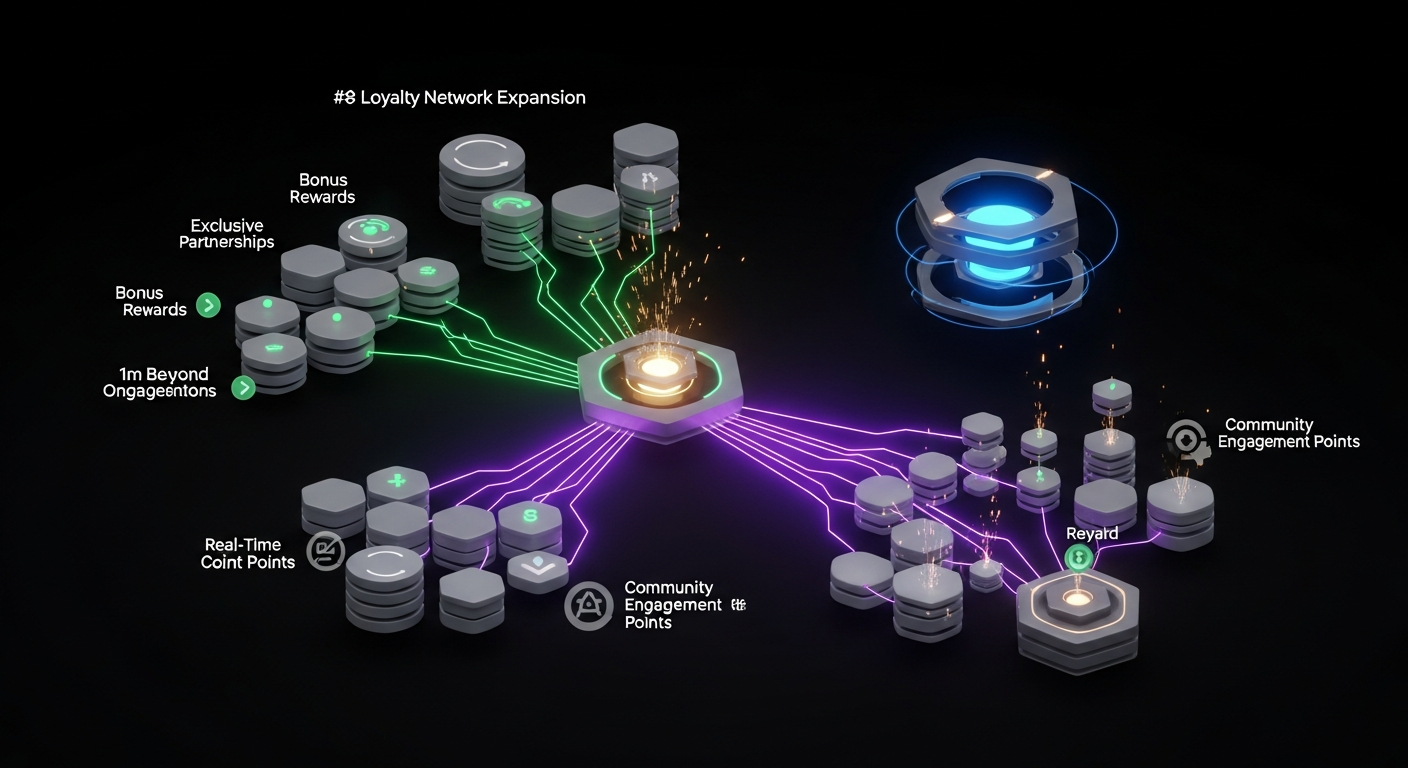
A customer loyalty program is a marketing strategy designed to encourage customers to continue doing business with a company. These programs are a direct and tangible way to reward repeat business and are a cornerstone of many successful retention strategies. When designed thoughtfully, they provide a clear incentive for customers to choose your brand over competitors. However, a poorly designed program can be costly and ineffective. The key is to create a program that offers genuine value and is easy for customers to understand and use.
Loyalty programs come in many forms, and the best choice depends on your business model and customer base. Understanding the different types is the first step in designing an effective program.
| Program Type | How It Works | Best For | Example |
|---|---|---|---|
| Points-Based | Customers earn points for actions (e.g., purchases, reviews) that can be redeemed for rewards. | Businesses with frequent, short-term purchases like retail or coffee shops. | Starbucks Rewards |
| Tier-Based | Customers unlock increasing levels of benefits and status as they spend more, gamifying loyalty. | High-commitment businesses like airlines, hotels, or beauty brands. | Sephora Beauty Insider |
| VIP / Paid | Customers pay a recurring fee for access to a bundle of exclusive, premium benefits. | Businesses that can offer significant ongoing value, like free shipping or exclusive content. | Amazon Prime |
| Value-Based | The program aligns with customer values by donating a portion of purchases to charity. | Mission-driven brands with a socially conscious customer base. | TOMS One for One |
The success of a loyalty program hinges on the desirability of its rewards. If the rewards are unappealing or unattainable, customers will not be motivated to participate. To design compelling rewards, you must first understand what your customers value. This often involves a mix of monetary and non-monetary incentives.
The best approach is to offer a variety of rewards that appeal to different customer segments. Surveying your most loyal customers to ask what perks they would find most valuable is an invaluable way to create a program that resonates.
Like any business initiative, a loyalty program must be measured to ensure it’s delivering a positive return on investment (ROI). Simply launching a program is not enough; you need to track its impact on key business metrics. Key performance indicators (KPIs) to monitor include:
By regularly analyzing these metrics, you can make data-driven adjustments to optimize your loyalty program for maximum impact on customer retention and profitability.

Effective customer retention requires an ongoing conversation. If customers only hear from you during a sales pitch, the relationship feels purely transactional. Strategic communication is about maintaining a regular, valuable, and relevant dialogue with your customers. The goal is to keep your brand top-of-mind, provide ongoing value beyond your core product, and strengthen the emotional connection that fosters loyalty. This means delivering the right message to the right person at the right time.
Email remains one of the most powerful channels for customer retention, but its effectiveness depends entirely on your strategy. Sending the same generic newsletter to your entire list is a recipe for high unsubscribe rates. A sophisticated email retention strategy relies on segmentation and automation to deliver personalized, timely, and valuable content.
Consider implementing these types of retention-focused email campaigns:
SMS and push notifications are high-impact channels due to their immediacy, but their intrusive nature means they must be used with care. Overuse or irrelevant messages will quickly lead customers to opt out. The key is to reserve these channels for time-sensitive, high-value information that the customer has explicitly agreed to receive.
Effective uses for SMS and push notifications in a retention strategy include:
Always make the opt-in process clear and provide an easy way for users to manage their notification preferences.
Social media is more than an acquisition channel; it’s a powerful tool for building a community around your brand. A strong community fosters a sense of belonging and transforms the customer-brand relationship from a monologue into a conversation. When customers feel like part of a tribe, their loyalty deepens significantly.
Strategies for building a community on social media include:

You can’t fix problems you don’t know exist. One of the most direct ways to improve customer retention is to actively listen to your customers, understand their pain points, and act on their feedback. A systematic approach to collecting and analyzing customer feedback allows you to identify at-risk customers, improve your products, and show customers that their opinions matter. This process, known as closing the feedback loop, is a powerful driver of loyalty and a critical tool for reducing customer churn.
Surveys are a structured way to gather feedback at key moments in the customer journey. Three of the most common and effective customer experience surveys are:
By deploying these surveys at the right touchpoints, you can gather actionable data on various aspects of your customer experience.
Not all feedback comes through formal surveys. Customers are constantly talking about your brand on review sites, social media, and forums. This unstructured feedback is a goldmine of candid insights into what customers truly think. Proactively monitoring these channels is essential.
Social listening tools can help you track mentions of your brand, competitors, and relevant keywords across the web. Analyzing this data can help you identify emerging trends, spot potential PR crises before they escalate, and understand the “why” behind your survey scores. Similarly, regularly reading and categorizing reviews on sites like G2, Capterra, or Yelp provides direct, unfiltered feedback on your product’s strengths and weaknesses.
Collecting feedback is only the first step. The most critical part of the process is closing the feedback loop—responding to the feedback and using it to drive meaningful change. This operates on two levels: individual and organizational.
On the individual level, it means following up directly with customers who leave feedback. Thank promoters for their loyalty. Reach out to passives to understand what you could do better. Most importantly, contact detractors immediately to apologize, understand the root cause of their issue, and work to make it right. This personal follow-up can often turn a dissatisfied customer into a loyal one.
On the organizational level, it means aggregating all feedback data to identify recurring themes and systemic issues. This feedback should be a primary input for your product development roadmap, operational improvements, and training programs. When customers see that their feedback leads to tangible improvements, it builds immense trust and reinforces their decision to do business with you.

While consistency is the foundation of retention, sometimes the most powerful way to build loyalty is to do something unexpected. The “surprise and delight” strategy involves delighting a customer by unexpectedly exceeding their expectations. These are the small, often unprompted, gestures that create a strong emotional connection and a memorable story that customers are eager to share. It’s about moving beyond satisfaction to create genuine moments of joy.
The effectiveness of surprise and delight is rooted in human psychology. First, it taps into the principle of reciprocity: when someone does something unexpectedly nice for us, we feel a natural inclination to reciprocate. Second, it leverages the “peak-end rule,” a cognitive bias where people judge an experience largely based on how they felt at its peak and at its end. An unexpected positive surprise can create a powerful emotional peak, which disproportionately influences the customer’s overall memory of their experience with your brand.
The best surprise and delight moments feel authentic and personal, not like a calculated marketing tactic. Some classic examples include:
These examples show that the most impactful moments are often highly personal and demonstrate a genuine sense of care.
Surprise and delight doesn’t have to involve extravagant gifts. The power is in the unexpectedness and thoughtfulness, which can be achieved even on a tight budget. The key is to empower your employees to identify opportunities and act on them.
Here are some cost-effective ideas:
The goal is to create a genuine human connection. By giving your team the freedom and a small budget to create these moments, you can generate immense goodwill and loyalty at a minimal cost.
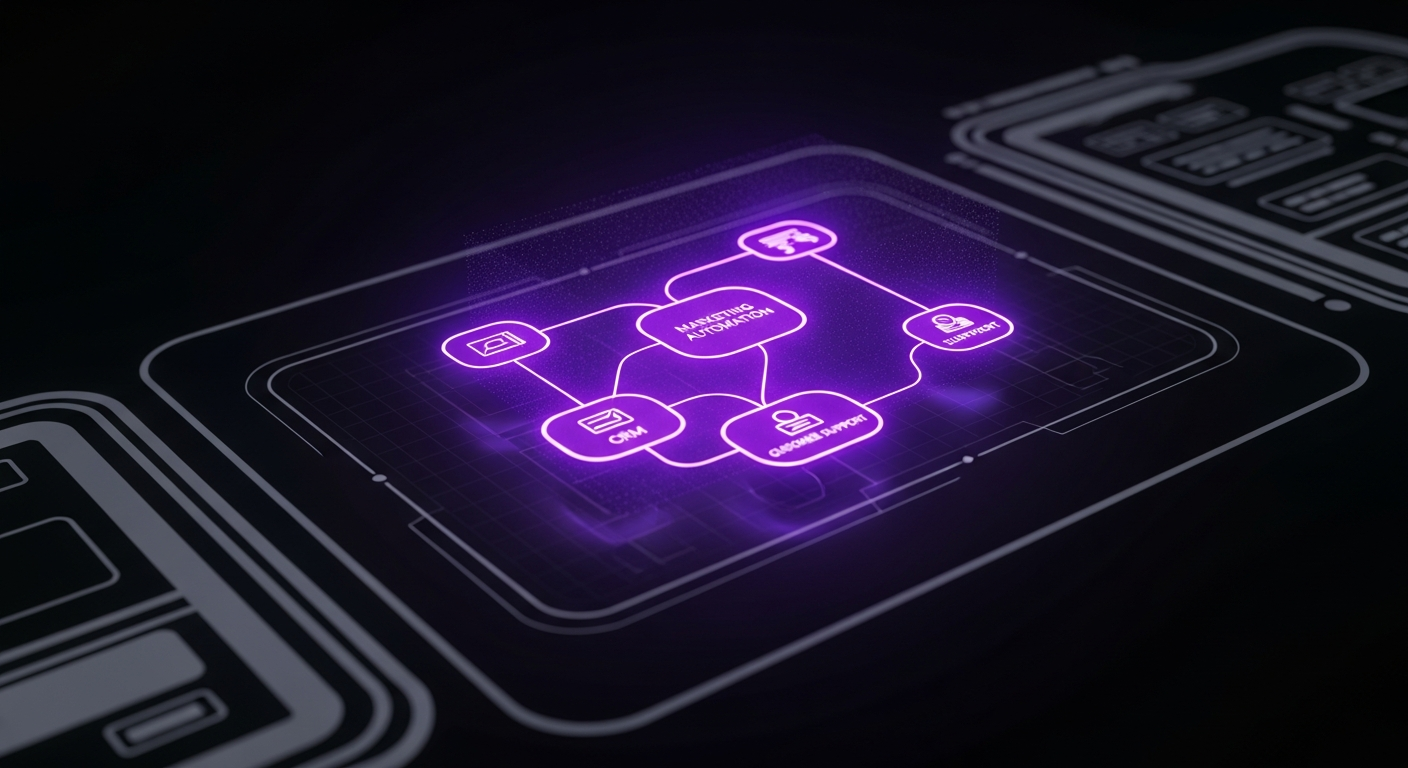
Executing a modern customer retention strategy at scale is nearly impossible without the right technology. These tools automate tasks, centralize data, and provide the insights needed to create personalized and effective customer experiences. From managing relationships to automating communication, the right software empowers your team to work more efficiently and focus on building strong customer relationships.
A Customer Relationship Management (CRM) system is the heart of any customer-centric operation. It serves as a centralized database for all customer information and interactions. A CRM captures every touchpoint—from sales calls and purchases to support tickets—into a single, unified customer profile. This 360-degree view is essential for personalization and context-aware service.
With a CRM like HubSpot, Salesforce, or Zoho, your teams can:
Marketing automation platforms, such as Klaviyo, Mailchimp, or ActiveCampaign, are the engines that power strategic communication for retention. These tools allow you to design and automate communication workflows based on customer triggers and behaviors. Instead of manually sending emails, you can build sophisticated journeys that engage customers at critical moments.
For example, you can use a marketing automation platform to automatically:
This level of automation ensures consistent and timely communication, freeing up your team to focus on strategy rather than execution.
To deliver exceptional customer service, your support team needs a dedicated platform to manage inquiries efficiently. Help desk software like Zendesk, Freshdesk, or Intercom consolidates customer conversations from all channels (email, phone, live chat, social media) into a single ticketing system. This prevents requests from getting lost and ensures a seamless omnichannel experience.
Key features of help desk software that aid retention include:
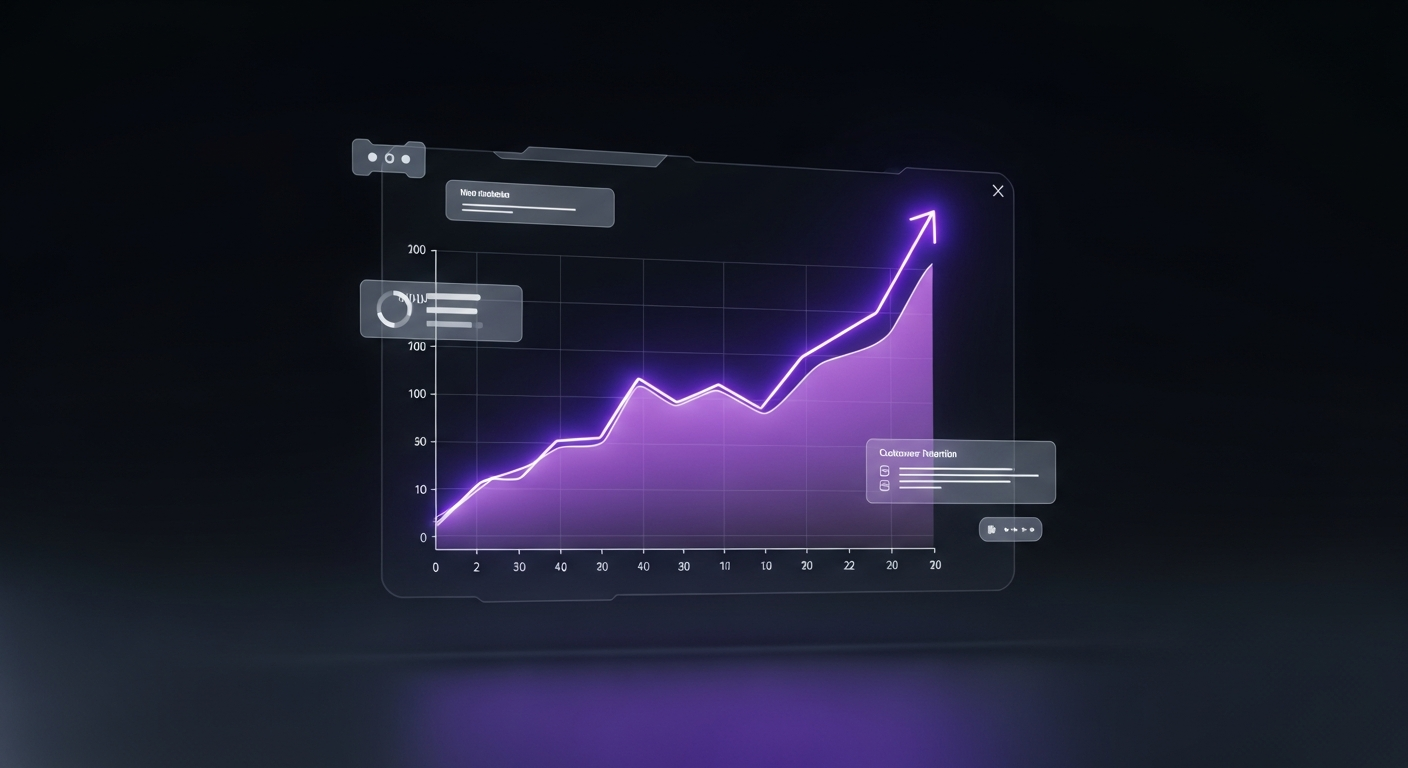
To improve your customer retention, you first need to measure it accurately. Tracking the right metrics is essential for understanding your current performance, identifying trends, and quantifying the impact of your retention initiatives. These key performance indicators (KPIs) provide a clear, data-driven picture of your company’s ability to maintain a loyal customer base and should be monitored regularly.
The Customer Retention Rate (CRR) is the most fundamental retention metric. It measures the percentage of customers you have retained over a specific period. A higher CRR indicates that you are successfully keeping your customers satisfied and loyal.
The formula to calculate CRR is:
CRR = [ (E – N) / S ] x 100
Where:
For example, if you started the quarter with 1,000 customers (S), ended with 1,200 customers (E), and acquired 300 new customers (N), your CRR would be: [ (1200 – 300) / 1000 ] x 100 = 90%. This means you retained 90% of your existing customers during that quarter.
Churn Rate is the inverse of your retention rate. It measures the percentage of customers who stopped doing business with you during a specific period. While CRR focuses on the customers you kept, Churn Rate highlights the customers you lost. Both metrics tell a similar story, but tracking churn can be a powerful motivator for fixing the root causes of customer defection.
The formula for Churn Rate is:
Churn Rate = (Number of Customers Lost / Number of Customers at Start) x 100
Using the previous example, if you started with 1,000 customers and lost 100 of them, your churn rate would be: (100 / 1000) x 100 = 10%. Your Churn Rate + Retention Rate should always equal 100%.
For non-subscription businesses like e-commerce or retail, the Repeat Purchase Rate is a vital indicator of customer loyalty. It measures the percentage of your customers who have made more than one purchase. A high repeat purchase rate indicates that customers were satisfied with their initial experience and trust your brand enough to return.
The formula is:
Repeat Purchase Rate = (Number of Customers with >1 Purchase / Total Number of Customers) x 100
Tracking this metric over time helps you understand the effectiveness of your post-purchase experience and loyalty programs in encouraging that crucial second purchase, which is often the first step towards long-term loyalty.

While implementing retention strategies is crucial, it’s equally important to be aware of common mistakes that can undermine your efforts. Even well-intentioned initiatives can backfire if executed poorly, leading to customer frustration and increased churn. By understanding and avoiding these common pitfalls, you can ensure your retention program is effective, sustainable, and genuinely valued by your customers.
One of the biggest mistakes is waiting until a customer has already churned to wonder what went wrong. A proactive retention strategy involves identifying the warning signs of at-risk customers and intervening before they leave. These signals can include a decrease in login frequency, a drop in purchase activity, or negative survey feedback. Use your CRM to create health scores or flags for these customers. Once identified, reach out proactively with a personal email or a special offer to show you value their business and want to resolve any underlying issues.
There is a fine line between staying top-of-mind and becoming a nuisance. Bombarding customers with daily emails, irrelevant notifications, and constant sales pitches is a fast track to the unsubscribe button. Communication fatigue is real. Your communication strategy should focus on providing value, not just on selling. Ensure your messages are segmented, personalized, and relevant. Respect communication preferences and make it easy for customers to adjust the frequency and type of messages they receive.
A loyalty program is meant to feel like a benefit, not a chore. A common pitfall is designing a program that is too complex for customers to understand or whose rewards are virtually unattainable. If customers must jump through too many hoops to earn points, or if the rewards aren’t compelling, they will quickly disengage. Simplicity is key. The rules for earning and redeeming rewards should be crystal clear, and the value proposition must be obvious. Regularly review your program’s performance and solicit feedback to ensure it remains a motivating experience.

Mastering customer retention is not about implementing a single tactic or launching a standalone program. It is about embedding a deep, company-wide commitment to the customer’s success into every aspect of your business. This cultural shift prioritizes long-term relationships over short-term transactions. From product development and marketing personalization to support staff training, every decision should be viewed through the lens of its impact on the customer experience.
The foundational pillars we’ve explored—exceptional service, deep personalization, strategic communication, and acting on feedback—are the building blocks of this customer-centric culture. When these elements work in harmony, they create a powerful engine for sustainable growth. Retained customers buy more, cost less to serve, and become your most effective marketers. By shifting your focus from the leaky bucket of endless acquisition to the solid foundation of customer loyalty, you are not just saving money; you are building a more resilient, profitable, and enduring brand.