




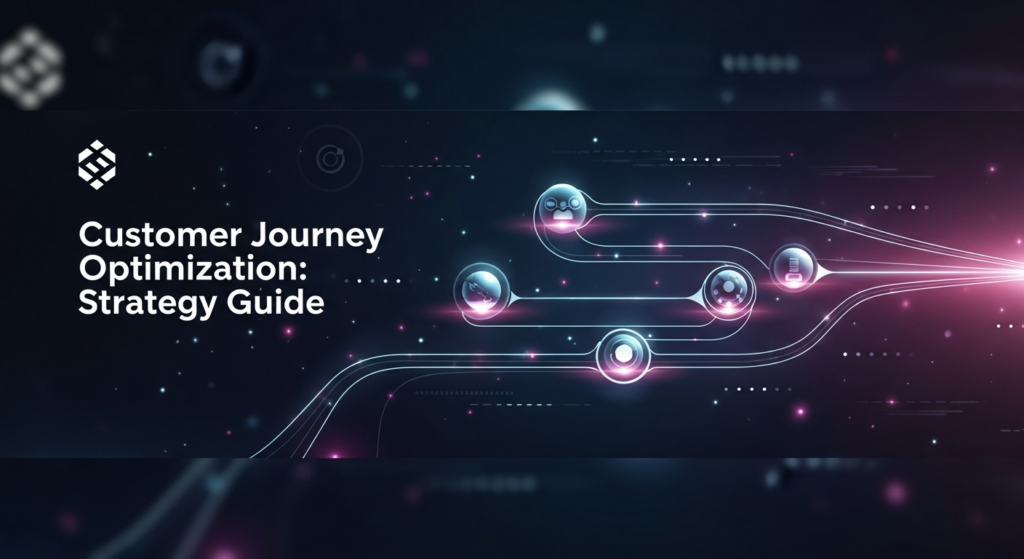

In today’s hyper-competitive market, customers have more choices than ever. Their decisions are no longer based solely on price or product features; they are driven by the overall experience a brand provides. From the first ad they see to the post-purchase support they receive, every interaction shapes their perception and loyalty. This is where Customer Journey Optimization (CJO) becomes a fundamental business strategy. It is the art and science of understanding, mapping, and improving every touchpoint to create a seamless, intuitive, and valuable experience for your customers.
This guide will walk you through the CJO process, from initial mapping to advanced optimization strategies. We will explore the key stages of the customer journey, identify critical touchpoints, and provide actionable insights to help you enhance every interaction. By implementing CJO, you can move beyond simple transactions to build lasting relationships, increase customer lifetime value, and create a powerful competitive advantage that drives sustainable growth.
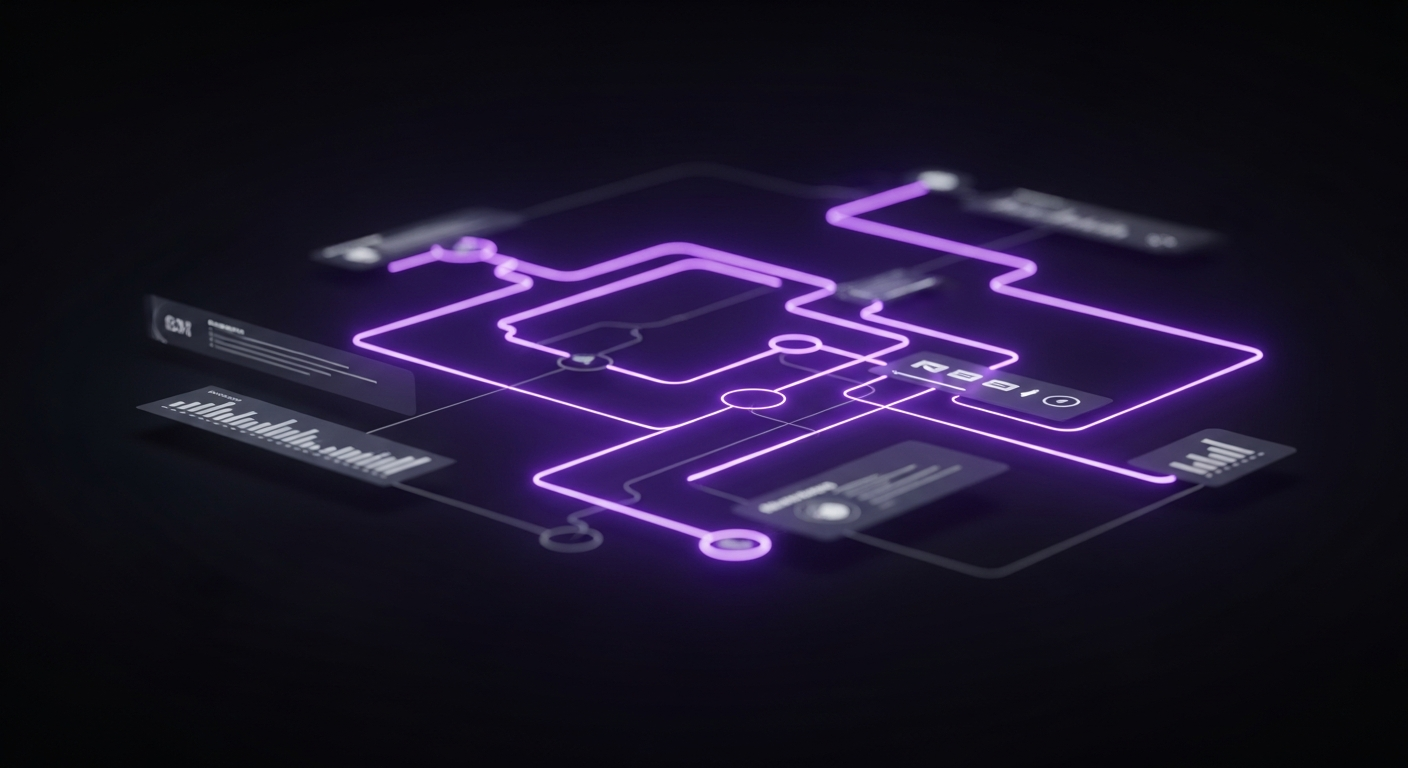
Customer Journey Optimization (CJO) is the process of strategically analyzing and improving every customer experience across all touchpoints and channels. The goal is to create a more cohesive, efficient, and enjoyable journey that aligns with customer expectations and drives business objectives. It involves looking at the entire lifecycle of a customer, from the moment they become aware of a problem to the point where they become a loyal advocate for your brand.
This process requires a deep understanding of customer behavior, motivations, and pain points at each stage. By using data analytics, customer feedback, and user testing, businesses can identify areas of friction and opportunities for improvement. CJO is not a one-time project but an ongoing, iterative process of refinement. It’s about continuously listening to your customers and adapting your processes, messaging, and technology to better serve their needs, ultimately making it easier for them to achieve their goals with your brand.
The core principle of CJO is its holistic perspective. Traditional marketing often focuses on optimizing individual touchpoints in isolation—improving an ad’s click-through rate, increasing a landing page’s conversion, or reducing support call times. While these are important, CJO recognizes that the customer’s experience is cumulative. A fantastic website experience can be undone by a confusing checkout process or poor post-purchase support. The customer doesn’t see your company as separate departments (marketing, sales, support); they see one brand.
CJO connects these departmental silos to create a single, unified experience. It ensures that the promises made in the awareness stage are fulfilled during the purchase and supported in the retention phase. This holistic approach helps build trust and coherence. For example, a customer who sees a social media ad for a specific promotion should be able to easily find and apply that same promotion on the website and have it recognized by a customer service agent if they call for help. This consistency across the entire journey is what transforms a series of isolated interactions into a meaningful and loyal relationship.
While often discussed together, Customer Journey Optimization (CJO) and Conversion Rate Optimization (CRO) are distinct but related disciplines with different scopes and objectives. CRO is typically focused on a specific action or conversion point, such as getting a user to sign up for a newsletter, download a whitepaper, or complete a purchase. It is a tactical approach aimed at improving the efficiency of a single touchpoint. CJO, on the other hand, is a strategic approach that looks at the entire end-to-end customer experience.
CRO is a component of CJO, but CJO is much broader. An effective CJO strategy might involve CRO tactics to improve the checkout page, but it will also consider why the customer is on that page, where they came from, and what happens after they convert. The following table highlights the key differences:
| Aspect | Conversion Rate Optimization (CRO) | Customer Journey Optimization (CJO) |
|---|---|---|
| Scope | Narrow and specific (e.g., a landing page, a single CTA). | Broad and holistic (the entire customer lifecycle). |
| Goal | Increase the percentage of users completing a specific action. | Improve the overall customer experience to boost satisfaction, loyalty, and CLV. |
| Timeframe | Short-term, focused on immediate conversion lifts. | Long-term, focused on building lasting customer relationships. |
| Metrics | Conversion rates, click-through rates, bounce rates. | Net Promoter Score (NPS), Customer Lifetime Value (CLV), churn rate, customer satisfaction (CSAT). |
| Focus | Transactional and tactical. | Relational and strategic. |

In a market where products and services are easily replicated, the customer experience has become the primary differentiator. Optimizing the customer journey is no longer a luxury; it is a critical driver of growth for businesses of all sizes. A well-optimized journey directly impacts key business metrics, from customer acquisition costs to long-term profitability. By focusing on the end-to-end experience, companies can build a more resilient and sustainable business model.
Investing in CJO creates a virtuous cycle. A positive experience leads to happier customers, who are more likely to stay with your brand, spend more over their lifetime, and recommend you to others. This organic growth engine reduces reliance on costly marketing campaigns and builds a loyal customer base that acts as a moat against competitors. In essence, optimizing the journey is about shifting focus from short-term gains to long-term value creation, a strategy that is essential for navigating the complexities of the modern economy.
Acquiring a new customer can be five to 25 times more expensive than retaining an existing one. CJO plays a direct role in fostering the loyalty that leads to high retention rates. When customers feel understood and valued, and their interactions with a brand are consistently smooth and positive, they have little reason to look elsewhere. A journey free of friction—where questions are answered proactively, needs are anticipated, and problems are resolved quickly—builds a powerful emotional connection.
This connection translates into loyalty. Loyal customers are less price-sensitive, more forgiving of occasional mistakes, and more likely to try new products or services from your brand. By systematically identifying and eliminating pain points in the journey, you reduce the chances of customer frustration and churn. A seamless onboarding process, proactive customer support, and personalized communication are all CJO strategies that make customers feel they are in a partnership, not just a transaction, significantly boosting their likelihood to remain with your brand.
Customer Lifetime Value (CLV) is a critical metric that represents the total revenue a business can expect from a single customer account. Optimizing the customer journey is one of the most effective ways to increase CLV. A positive experience encourages repeat purchases, a primary driver of CLV. When the path to purchase is easy and satisfying, customers are more likely to return.
Furthermore, a well-optimized journey creates opportunities for upselling and cross-selling. By understanding a customer’s needs and context at different stages, you can present relevant offers that add value rather than feel like an aggressive sales pitch. For example, a customer who has just purchased a camera might be receptive to an email offering a discount on lenses or a photography course. By nurturing the relationship post-purchase, you build the trust required for customers to invest more in your brand over time, directly increasing their lifetime value.
In today’s crowded marketplace, features and pricing are often not enough to stand out. Competitors can quickly copy your product, but it is much harder for them to replicate a superior end-to-end customer experience. This makes CJO a powerful and sustainable source of competitive advantage. A brand known for its exceptional customer journey—like Amazon for its streamlined ordering or Zappos for its renowned customer service—builds a reputation that attracts and retains customers.
This advantage is built by focusing on the small details that competitors may overlook. It could be a personalized welcome email, a proactive shipping notification, a user-friendly return process, or a follow-up call to ensure satisfaction. Each optimized touchpoint contributes to a cumulative experience that is difficult to imitate. When customers know they can count on a consistently positive and effortless experience with your brand, they are less likely to be swayed by a competitor’s slightly lower price or a new feature.
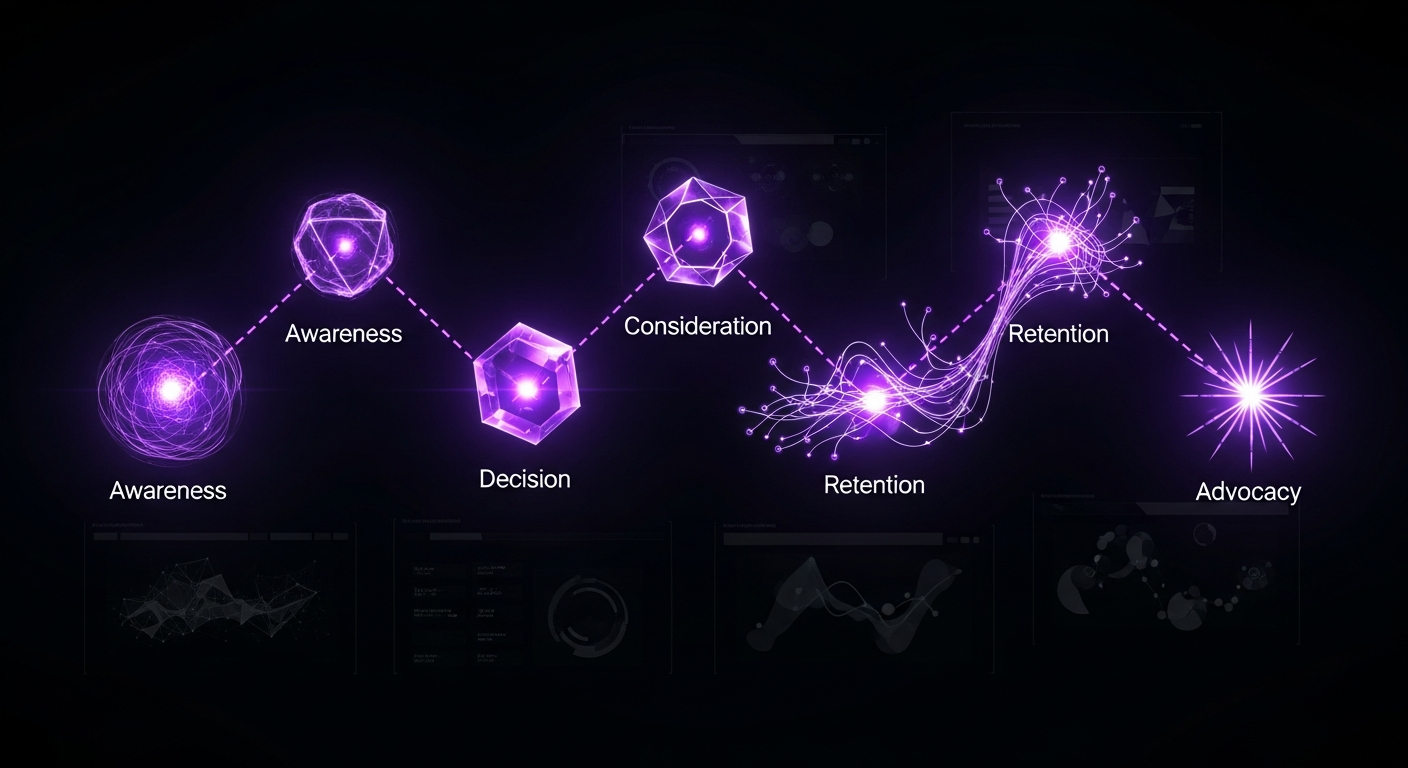
The customer journey is not a single event but a multi-stage process that a person goes through when interacting with your company. While models can vary, a typical journey is broken down into five key stages: Awareness, Consideration, Purchase, Retention, and Advocacy. Understanding what a customer is thinking, feeling, and doing at each of these stages is fundamental to optimizing their experience. Each stage presents unique challenges and opportunities to strengthen the relationship and guide the customer smoothly to the next phase.
By mapping out these stages, you can tailor your marketing, sales, and service efforts to meet the specific needs of the customer at that point in time. This targeted approach is far more effective than a one-size-fits-all strategy. It allows you to deliver the right message through the right channel at the right time, making the entire journey feel more personal, relevant, and helpful.
The Awareness stage is where a potential customer first becomes aware of a problem or need and discovers that your brand offers a potential solution. They are not yet ready to buy; they are simply gathering information. At this point, their interactions with your brand might be through a blog post they found on Google, a social media ad, a podcast mention, or a recommendation from a friend. The goal here is not to make a hard sell but to be a helpful resource. Your content should be educational and empathetic, focusing on their pain points rather than your product’s features. A positive first impression built on trust and value is crucial for encouraging them to move to the next stage.
In the Consideration stage, the potential customer has clearly defined their problem and is actively researching different solutions. They are now comparing your brand against competitors. They are looking for more detailed information, such as product specifications, pricing, case studies, reviews, and testimonials. Your objective is to demonstrate why your solution is the best fit for their specific needs. This is the time to provide in-depth content like webinars, comparison guides, and free trials. Transparency and social proof are critical here. Make it easy for them to evaluate your offering and build a compelling case for why your brand is the most trustworthy and effective choice.
The Purchase (or Conversion) stage is the moment of truth where a prospect decides to become a customer. The primary goal in this stage is to make the buying process as simple, secure, and frictionless as possible. Any complication—a confusing checkout form, unexpected shipping costs, a lack of payment options, or slow page load times—can lead to cart abandonment. The experience should be seamless. This means clear pricing, a streamlined checkout flow, multiple payment options, and trust signals like security badges and customer reviews. A smooth purchase process confirms the customer’s decision and sets a positive tone for the post-purchase relationship.
The journey doesn’t end once the purchase is complete. The Retention stage is where you turn a one-time buyer into a loyal, repeat customer. This phase is about delivering on the promises you made and providing outstanding value post-purchase. Key activities include a robust customer onboarding process, proactive customer support, personalized follow-up communications, and exclusive content or offers for existing customers. The goal is to ensure they are successful with your product or service and feel valued as a member of your brand community. Strong retention is the foundation of sustainable growth and high Customer Lifetime Value.
The final and most valuable stage is Advocacy. This is where satisfied customers become active promoters of your brand. They don’t just stay with you; they actively encourage others to do business with you. Advocates leave positive reviews, share their experiences on social media, and provide word-of-mouth referrals. To foster advocacy, you need to consistently exceed expectations and create opportunities for customers to share their positive experiences. This can be encouraged through loyalty programs, referral incentives, and by asking for reviews at moments of high satisfaction. These brand champions become a powerful, authentic, and cost-effective marketing channel.
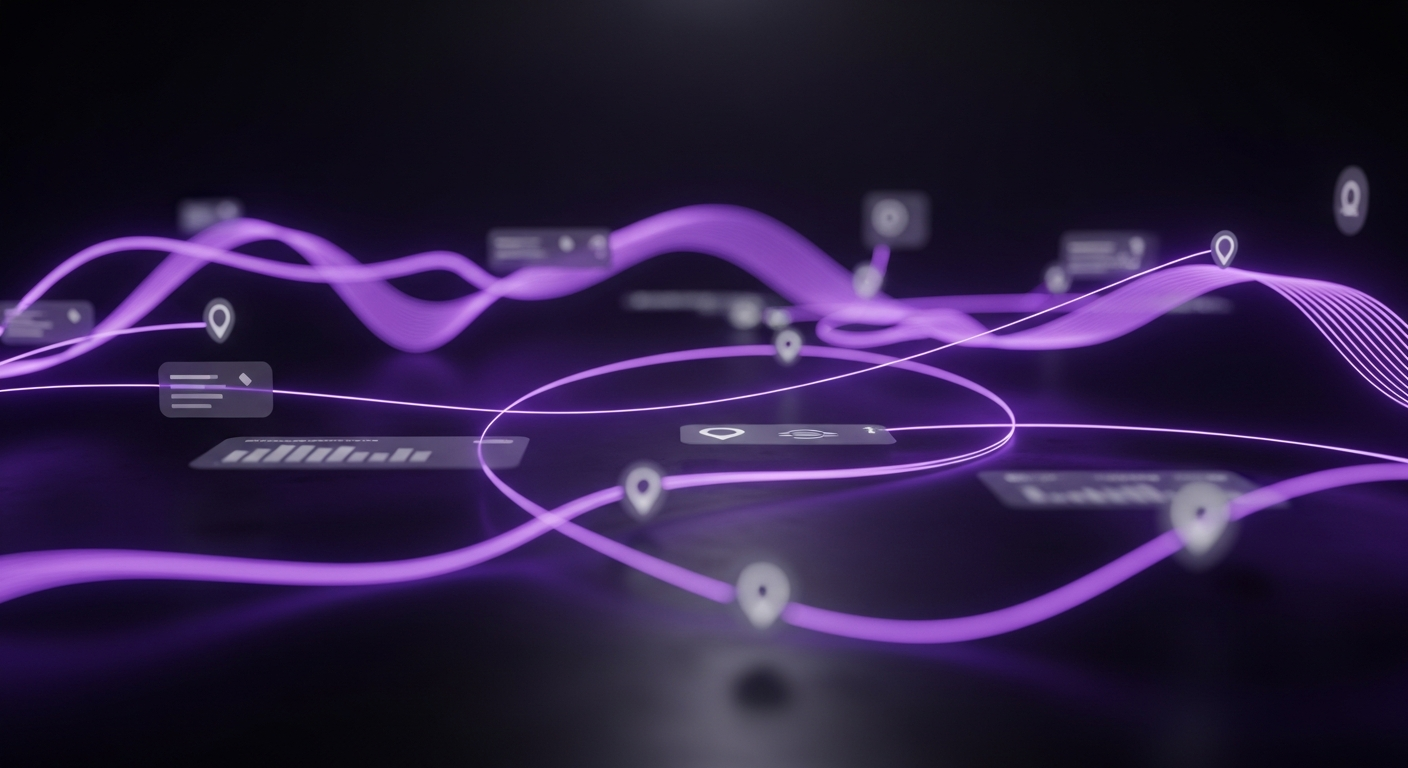
A customer journey map is a visual representation of the entire experience a customer has with your brand. Creating an accurate map is the foundational step of CJO. It is not an exercise in guesswork but a research-driven process that combines qualitative and quantitative data to reveal the true path your customers take. This map serves as a blueprint for your entire optimization strategy, helping you to see your business from the customer’s perspective, identify their pain points, and uncover opportunities for improvement.
The process of mapping forces different departments within your company—marketing, sales, product, and support—to align around a single, shared vision of the customer experience. It breaks down internal silos and fosters a customer-centric culture. A well-constructed map should detail the customer’s actions, thoughts, and emotions at each stage of the journey, providing a clear and empathetic understanding of their needs and motivations.
Before you can map the journey, you need to know who is taking it. Developing detailed customer personas is the first critical task. A persona is a semi-fictional representation of your ideal customer based on market research and real data about your existing customers. It goes beyond simple demographics to include goals, motivations, challenges, and communication preferences. For example, instead of just “Marketing Manager, 35-45,” a persona might be “Marketing Mary,” who is tasked with increasing lead generation, struggles with a limited budget, and prefers to consume information via short-form videos and industry blogs.
Creating 2-3 primary personas helps you focus your mapping efforts on your most important customer segments. These personas ensure that the journey map is grounded in the reality of your target audience, not on internal assumptions. They become the lens through which you analyze every touchpoint, asking, “How would Marketing Mary experience this?”
An accurate customer journey map is built on data, not assumptions. To get a complete picture, you must gather insights from a variety of sources. This combination of quantitative and qualitative data provides both the “what” and the “why” of customer behavior.
Once you have your personas and data, the next step is to visualize the journey. A typical journey map is structured as a timeline or grid, outlining the key stages (Awareness, Consideration, etc.) across the top. For each stage, you’ll map out several key elements for your persona:
The final map should be a clear, easy-to-understand document that can be shared across the organization to build a shared understanding of the customer experience.

After mapping the overall journey, the next step is to zoom in on the specific interactions, or “touchpoints,” where customers engage with your brand. A touchpoint is any point of contact between a customer and your company. These can be direct, like visiting your website, or indirect, like reading a third-party review. Identifying and analyzing these touchpoints is crucial because they are the building blocks of the overall customer experience. Each touchpoint is an opportunity to either strengthen the relationship or create friction that could drive a customer away.
The goal of this analysis is twofold: first, to ensure a consistent and high-quality experience across all touchpoints, creating a seamless omnichannel experience. Second, to pinpoint the “moments that matter”—the critical touchpoints that have the greatest impact on a customer’s perception and decision-making. By focusing your optimization efforts on these high-impact moments, you can achieve the greatest return on your investment.
In today’s digitally-driven world, the majority of customer touchpoints occur online. It’s essential to audit and understand the role each digital channel plays in the customer journey. Common digital touchpoints include:
While digital interactions are prominent, offline touchpoints are often highly impactful and memorable. These human-to-human interactions can create strong emotional connections and are a critical part of an omnichannel strategy. Key offline touchpoints include:
Once you have listed all potential touchpoints, the next step is to analyze them from the customer’s perspective, using the data gathered during the mapping phase. For each touchpoint, ask critical questions: What is the customer’s goal here? Is it easy for them to achieve it? What is their emotional state? This analysis will help you identify two key things:
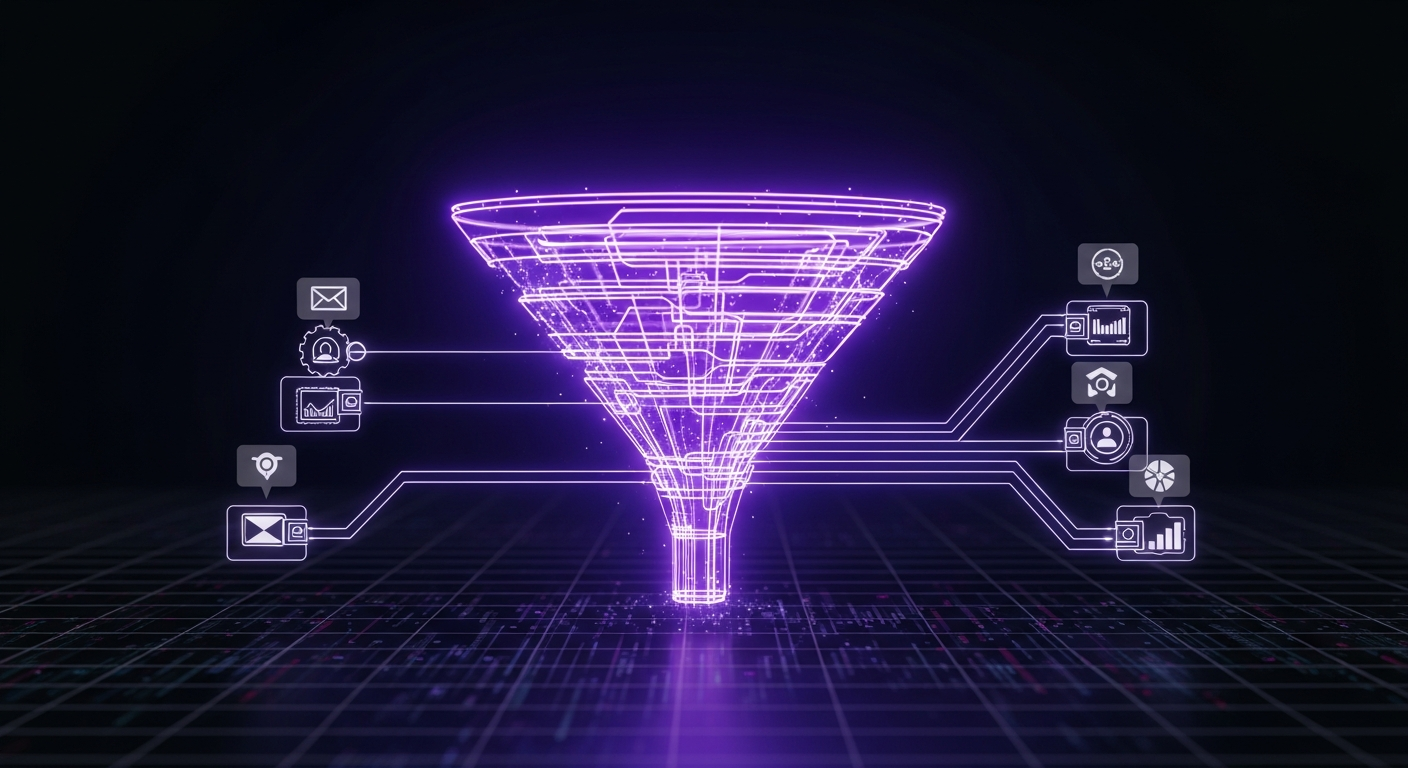
With your customer journey mapped and key touchpoints analyzed, it’s time to move from insight to action. The goal is to implement specific strategies that address the pain points and capitalize on the opportunities you’ve identified at each of the five stages. Optimization is not about random tweaks; it’s about making targeted improvements that guide the customer smoothly and effectively from one stage to the next. This section provides actionable strategies you can implement to enhance the experience across the entire journey.
In the Awareness stage, your goal is to be found by potential customers who are looking for solutions to their problems. The key is to be helpful and educational, not overly promotional.
During the Consideration stage, prospects are actively comparing you to competitors. Your goal is to build confidence and demonstrate why your solution is the best choice.
The Purchase stage is where many businesses lose potential customers due to friction. The goal is to make the buying process as effortless as possible.
After the sale, the focus shifts to nurturing the relationship and creating loyal advocates. This stage is critical for long-term growth.

In an age of information overload, personalization is no longer a “nice-to-have”; it’s a core expectation of the modern customer. Personalization is the practice of using data to tailor experiences, content, and communications to the specific needs and preferences of an individual. Within the context of Customer Journey Optimization, personalization is the engine that transforms a generic, one-size-fits-all path into a relevant, engaging, and highly effective experience. It makes customers feel understood and valued, which is the cornerstone of building strong, lasting relationships.
A modern CJO strategy leverages personalization at every stage of the journey. From a customized homepage for a returning visitor to a post-purchase email that recommends complementary products, these tailored interactions make the entire experience feel more cohesive and intuitive. By moving beyond broad segments toward one-to-one communication, businesses can significantly increase engagement, conversion rates, and customer loyalty.
Effective personalization is built on a foundation of data. The more you know about a customer, the better you can tailor their experience. This requires breaking down data silos and creating a unified customer profile that combines information from various sources:
By consolidating this data in a CRM or Customer Data Platform (CDP), you can create a 360-degree view of the customer, enabling highly relevant and timely personalization.
Two of the most powerful applications of personalization are dynamic content and product recommendations. Dynamic content involves changing the images, text, or calls-to-action on a website or in an email based on user data. For example, an e-commerce site could show different homepage banners to a new visitor versus a loyal customer. A B2B website could display case studies relevant to the visitor’s industry.
Product recommendations, popularized by companies like Amazon and Netflix, leverage browsing history and purchase data to suggest items that the customer is likely to be interested in. This not only improves the customer experience by making discovery easier but can also significantly increase average order value and customer lifetime value. These recommendations can be placed on product pages, in the shopping cart, and in follow-up emails to drive repeat purchases.
Personalization extends beyond your website to all communication channels. The goal is to deliver the right message at the right time through the customer’s preferred channel. Marketing automation platforms are essential for this, allowing you to create automated workflows based on customer behavior. For instance:
By respecting customer preferences and delivering value with every communication, you can build a stronger, more engaged relationship.
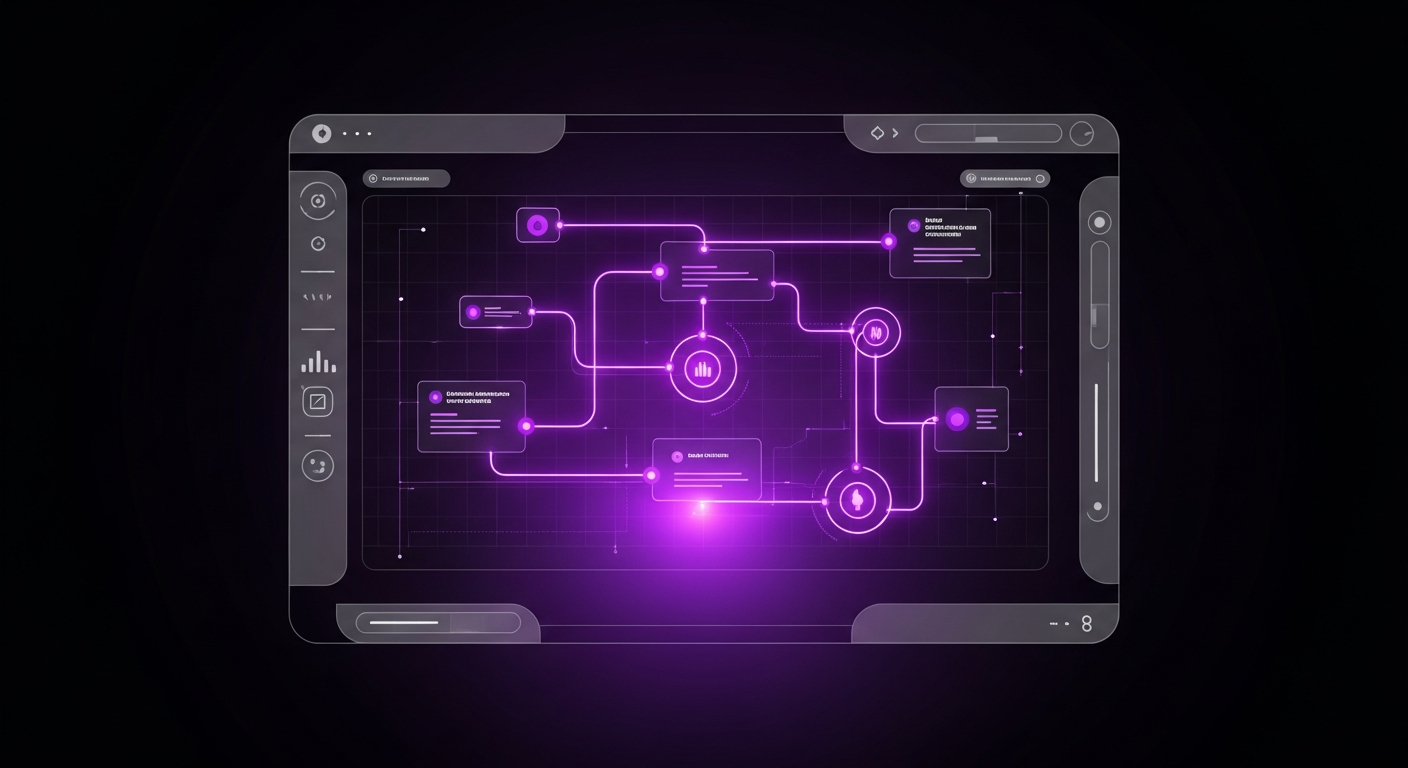
Executing a successful Customer Journey Optimization strategy requires the right technology stack. These tools are not a substitute for a solid strategy, but they are essential enablers that allow you to gather data, analyze insights, automate processes, and deliver personalized experiences at scale. The modern CJO toolkit integrates various platforms to create a cohesive system for understanding and improving the customer experience. Choosing the right tools depends on your business size, industry, and specific goals, but most effective stacks include solutions from the following categories.
At the core of any CJO strategy is a system for managing customer data and communications. These platforms serve as the central nervous system for your customer interactions.
You can’t optimize what you can’t measure. Analytics tools are critical for understanding customer behavior, identifying friction points, and tracking the impact of your optimization efforts.
Quantitative data tells you what is happening, but qualitative data tells you why. Customer feedback tools are essential for capturing the voice of the customer and understanding their motivations and frustrations.

Customer Journey Optimization is a data-driven discipline. To ensure your efforts are making a real impact, you must track the right metrics and Key Performance Indicators (KPIs). Measuring success in CJO goes beyond traditional conversion rates; it requires a holistic set of metrics that reflect customer sentiment, loyalty, and long-term value. These KPIs provide a clear picture of the health of your customer experience and help you demonstrate the ROI of your CJO initiatives. It’s important to track a balanced mix of metrics that cover different aspects of the journey, from overall relationship health to stage-specific performance.
These are two of the most important metrics for gauging overall customer sentiment and loyalty. They provide a high-level view of how customers feel about your brand and their experience.
These two metrics are directly tied to profitability and are heavily influenced by the quality of the customer journey. They are critical for understanding the long-term financial impact of your CJO efforts.
To get a more granular view of your journey’s performance, it’s essential to track success at each stage. These metrics help you pinpoint specific areas of friction and measure the effectiveness of your optimizations.
| Journey Stage | Key Metric/KPI | What It Measures |
|---|---|---|
| Awareness | Website Traffic, Social Reach, Brand Mentions | The effectiveness of your top-of-funnel marketing in reaching your target audience. |
| Consideration | Lead Generation Rate, Content Downloads, Free Trial Sign-ups | How well you are engaging prospects and persuading them to evaluate your solution. |
| Purchase | Conversion Rate, Cart Abandonment Rate, Average Order Value | The efficiency and effectiveness of your sales and checkout process. |
| Retention | Repeat Purchase Rate, Churn Rate, Product Adoption Rate | Your ability to deliver ongoing value and keep customers engaged post-purchase. |
| Advocacy | NPS, Number of Reviews, Referral Rate | The degree to which you are turning satisfied customers into active brand promoters. |

While the benefits of Customer Journey Optimization are clear, the path to implementation is not always smooth. Businesses often face significant organizational, technical, and cultural hurdles. Acknowledging these challenges upfront and having a plan to address them is crucial for the long-term success of your CJO program. The most common obstacles are not related to a lack of desire, but to deep-seated structural issues and resistance to change. Overcoming them requires a strategic, collaborative, and persistent approach.
One of the biggest technical and organizational challenges is data silos. Customer data is often fragmented across different departments and systems—the CRM in sales, the marketing automation platform in marketing, the ticketing system in support. Without a unified view of the customer, it’s impossible to map an accurate journey or deliver a consistent, personalized experience. A customer may have to repeat their issue to multiple support agents because the data from their previous interactions isn’t shared.
How to Overcome It: The solution lies in data integration. Invest in a central data repository like a Customer Data Platform (CDP) or ensure your CRM can serve as a single source of truth by integrating it with other key systems. This requires cross-departmental collaboration, championed by leadership, to agree on data standards and shared access. Start small by integrating two key systems (e.g., your CRM and marketing platform) to demonstrate value before scaling up.
CJO is not a marketing project; it’s a company-wide initiative. It requires collaboration from marketing, sales, product, customer service, and even finance. However, different departments often have competing priorities and KPIs. The sales team might be focused on closing deals quickly, while the support team is focused on resolving tickets. This can lead to a disjointed experience for the customer. Gaining buy-in and fostering a truly customer-centric culture across the entire organization is a significant challenge.
How to Overcome It: Start by making a strong business case. Use data to show how a poor customer experience is impacting the bottom line (e.g., high churn, low CLV). Share the customer journey map widely to create empathy and a shared understanding of the customer’s perspective. Appoint a cross-functional “journey team” with representatives from each key department to champion the initiative. Celebrate small wins and clearly communicate the positive results of your optimization efforts to build momentum and prove the value of a collaborative, customer-first approach.
The customer journey is not static. Customer expectations, technologies, and market dynamics are constantly changing. A journey map that was accurate a year ago may be obsolete today. The rise of new channels or new technologies can fundamentally alter how customers want to interact with brands. The challenge is to create a CJO process that is agile and continuously adaptive, rather than a one-time project that quickly becomes outdated.
How to Overcome It: Treat CJO as an ongoing, iterative process. Establish a regular cadence (e.g., quarterly or biannually) for reviewing and updating your customer journey maps. Continuously monitor your key metrics and customer feedback channels to detect changes in behavior and sentiment. Foster a culture of experimentation and learning. Use A/B testing to try new approaches and be prepared to adapt your strategy based on the results. By building a continuous feedback loop, you can ensure your customer journey evolves in lockstep with your customers.

Customer Journey Optimization is a transformative strategy that places the customer at the center of your business. It’s a continuous cycle of understanding, improving, and personalizing the end-to-end experience your customers have with your brand. By moving beyond a narrow focus on single transactions and embracing a holistic view of the entire customer lifecycle, you can build deeper relationships, foster unwavering loyalty, and create a sustainable competitive advantage that drives long-term growth.
Building your CJO roadmap is a journey in itself. It begins with a commitment to seeing your business through your customers’ eyes. Start by creating data-driven personas and mapping their journey, honestly identifying every point of friction and every opportunity for delight. From there, implement targeted optimization strategies for each stage, from raising awareness with valuable content to creating brand advocates through exceptional service. Throughout the process, leverage the power of technology and personalization to deliver experiences that are not just efficient, but also relevant and meaningful.
Remember that CJO is not a one-and-done project. It is an ongoing discipline. Continuously measure your success using a balanced set of KPIs, listen intently to customer feedback, and be prepared to adapt to their ever-evolving expectations. By embedding this customer-centric mindset into your company culture and processes, you will not only optimize a journey; you will build a brand that customers love, trust, and champion for years to come.