





In today’s fast-paced digital landscape, marketers are constantly juggling dozens of tasks, from sending emails and posting on social media to managing leads and analyzing campaign performance. It’s a relentless cycle that can leave even the most organized teams feeling overwhelmed. What if you could automate the repetitive, time-consuming parts of your job, freeing you up to focus on strategy, creativity, and building genuine customer relationships? That’s the promise of marketing automation.
This technology is no longer a luxury reserved for large corporations; it’s an accessible and essential tool for businesses of all sizes looking to grow smarter, not just harder. It’s the engine that powers modern marketing, enabling you to deliver personalized experiences to the right people at the right time, and at a scale that would be impossible to achieve manually. This guide will demystify marketing automation, breaking down what it is, how it works, and how you can leverage its power to transform your marketing efforts and drive real business results.

At its core, marketing automation is about using software to execute and streamline marketing tasks. It simplifies complex processes that would otherwise require significant manual effort, allowing marketing departments to operate with greater efficiency and precision. While email is a significant component, true marketing automation encompasses a much broader strategy that touches every stage of the customer lifecycle, from initial awareness to long-term loyalty.
Marketing automation software is a platform designed to help businesses automate their marketing and sales engagement to generate more leads, close more deals, and accurately measure marketing success. Think of it as a central hub for your marketing activities. It allows you to create, manage, and automate multi-channel campaigns across email, social media, landing pages, and more. By centralizing these efforts, the software collects valuable data on user behavior, which in turn fuels more intelligent and personalized marketing decisions.
The dual purpose of marketing automation is its greatest strength. First, it drives efficiency. It takes over the mundane, repetitive tasks that consume a marketer’s day—sending follow-up emails, assigning leads to sales reps, posting social media updates—and executes them flawlessly around the clock. This frees up your team to focus on high-value activities like developing creative campaigns, analyzing data for strategic insights, and engaging with high-priority customers.
Second, it enables personalization at scale. In a world where consumers expect tailored experiences, generic messaging falls flat. Marketing automation software uses customer data to deliver highly relevant content. It can greet a subscriber by name, recommend products based on their browsing history, or send a special offer on their birthday. This level of personalization, delivered automatically to thousands of contacts, builds stronger customer relationships and significantly boosts engagement and conversion rates.
It’s common for beginners to confuse marketing automation with Customer Relationship Management (CRM) systems or standalone email marketing tools. While they are related and often work together, they serve distinct primary functions.
| Tool Type | Primary Focus | Key Functionality |
|---|---|---|
| Email Marketing Tool | Communication | Sending bulk email campaigns and newsletters. |
| CRM | Relationship Management | Storing contact data, tracking sales interactions, managing the sales pipeline. |
| Marketing Automation | Lead Nurturing & Efficiency | Automating marketing workflows, scoring leads, personalizing content across multiple channels. |
The power of marketing automation lies in its ability to execute complex sequences of events based on simple, logical rules. It operates on a foundation of triggers, actions, and data, allowing you to build sophisticated systems that respond to customer behavior in real time. Understanding these core mechanics is the first step to harnessing its power for your business.
At the heart of any automated process is a simple “if this, then that” logic. In marketing automation, this is referred to as triggers and actions.
For example, a simple trigger-action pair would be: **If** a user downloads our e-book (trigger), **then** send them a thank-you email with a link to the content (action).
A workflow (also known as a sequence or campaign) is a series of automated actions initiated by a starting trigger. These are not just single trigger-action pairs but can be complex, branching paths that guide a lead through a part of their customer journey. Modern marketing automation platforms provide visual workflow builders, allowing you to map out these sequences like a flowchart.
A more advanced workflow might look like this:
This ability to create conditional paths based on user engagement is what makes workflow automation so powerful for lead nurturing.
Data is the fuel that runs the marketing automation engine. The more relevant data you have about your contacts, the more sophisticated and personalized your automation can become. The software collects data from various sources:
This data is used to segment your audience into targeted lists and to personalize every touchpoint. For instance, you can create a workflow that only triggers for contacts in a specific industry (explicit data) who have visited your pricing page three times in the last week (behavioral data), ensuring your message is both relevant and timely.

Adopting a marketing automation strategy is more than just a technological upgrade; it’s a fundamental shift that can lead to significant, measurable improvements across your entire business. By streamlining processes and leveraging data, companies can achieve greater efficiency, deeper customer engagement, and a stronger bottom line.
Perhaps the most immediate and tangible benefit of marketing automation is the immense amount of time it saves. Marketers spend a significant portion of their week on repetitive, manual tasks like sending individual follow-up emails, segmenting lists, or posting on social media. Automation takes these tasks off their plate, executing them with speed and accuracy 24/7.
This newfound efficiency allows the marketing team to transition from tactical execution to strategic thinking. Instead of being bogged down in the “how,” they can focus on the “why”—analyzing campaign performance, brainstorming creative ideas, understanding customer needs, and optimizing the overall marketing strategy. This leads to a more engaged, productive, and impactful marketing department.
Marketing automation is a powerhouse for managing the sales funnel. It helps capture leads more effectively through integrated forms and landing pages. But its real strength lies in lead nurturing. Not every lead is ready to buy the moment they first interact with your brand. They need to be guided with relevant information until they are ready to make a purchase decision.
Automation excels at this. You can build sophisticated drip campaigns that deliver a steady stream of valuable content—blog posts, case studies, webinars—over time. By tracking how leads interact with this content, the system can use lead scoring to identify the most engaged and sales-ready prospects. This ensures that the sales team receives a steady flow of high-quality, pre-qualified leads, dramatically increasing their chances of closing a deal.
Today’s consumers have high expectations. They expect brands to understand their needs and communicate with them in a relevant, personal way. Generic marketing blasts are easily ignored. Marketing automation makes it possible to deliver personalized experiences at scale, which is crucial for building lasting customer relationships.
By using dynamic content, you can tailor emails and landing pages to reflect a user’s interests, past purchases, or geographic location. You can send automated birthday greetings with a special discount, recommend products based on browsing history, or trigger helpful onboarding tips after a purchase. This level of personalization makes customers feel seen and valued, fostering loyalty and turning them into brand advocates.
Ultimately, all marketing efforts are aimed at driving revenue growth. Marketing automation directly impacts the bottom line in several ways. By improving lead quality and nurturing, it increases conversion rates and shortens the sales cycle. By enhancing the customer experience, it improves customer retention and increases lifetime value. Furthermore, the detailed analytics and reporting features of automation platforms provide clear insights into what’s working and what isn’t. You can precisely measure the Return on Investment (ROI) of your campaigns, allowing you to double down on successful strategies and eliminate wasteful spending. This data-driven approach ensures that every marketing dollar is working as hard as possible to grow your business.

When you first explore marketing automation platforms, the sheer number of features can be daunting. However, a handful of core components form the foundation of any successful automation strategy. For beginners, understanding these essential features is the key to getting started and achieving early wins.
Email remains the cornerstone of marketing automation. But this goes far beyond sending a monthly newsletter. The platform should allow you to create automated email sequences, often called drip campaigns or nurture sequences. These are a series of pre-written emails sent out automatically over a set period after a specific trigger. For example, a welcome series for new subscribers can introduce your brand, showcase your best content, and guide them toward their first conversion. This feature is fundamental for consistent and timely communication.
Lead scoring is a system for ranking leads to determine their sales-readiness. You assign points to leads based on various attributes, including their demographic information (like job title or company size) and their behaviors (like visiting the pricing page or downloading a whitepaper). A lead who fits your ideal customer profile and is highly engaged will accumulate a high score.
This feature is crucial for aligning marketing and sales teams. Once a lead’s score crosses a certain threshold, the system can automatically assign them to a sales rep for follow-up. This ensures that salespeople focus their time and energy on the most promising opportunities, increasing their efficiency and close rates.
To automate anything, you first need contacts in your system. Landing pages and forms are the primary tools for lead capture. A good marketing automation platform includes a user-friendly builder for creating professional-looking landing pages and web forms without needing a developer. When a visitor fills out a form on one of these pages, their information is automatically added to your contact database, and they can be enrolled in a relevant workflow. This seamless integration between lead capture and lead nurturing is a critical component of an effective automation strategy.
Your marketing automation platform and your Customer Relationship Management (CRM) system should not operate in silos. A deep, bi-directional integration is essential for creating a single, unified view of your customer. This integration allows data to flow freely between the two systems. Marketing can see sales activities in the CRM to better understand the entire customer journey, while sales can see a lead’s marketing engagement history (emails opened, pages visited) directly within the CRM.
This shared data helps both teams work more effectively. Marketing can create more targeted campaigns, and sales can have more informed, contextual conversations with prospects.
You cannot improve what you cannot measure. Robust analytics and reporting are vital for understanding the performance of your marketing efforts and demonstrating ROI. An essential platform should provide detailed dashboards and reports on key metrics, including:
These insights allow you to identify your most successful tactics, optimize underperforming campaigns, and make data-driven decisions to improve your overall strategy.
Theory is helpful, but seeing marketing automation in practice truly illustrates its power. Across different industries and business models, automation is used to solve common challenges by delivering timely, personalized, and relevant communication. Here are a few classic examples.
One of the most effective and profitable uses of marketing automation is in e-commerce. The abandoned cart workflow is a prime example. A customer adds items to their online shopping cart but leaves the site without completing the purchase.
This simple, automated sequence can recover a significant percentage of otherwise lost sales. Additionally, post-purchase automation can send personalized product recommendations based on what a customer just bought, encouraging repeat business.
For a Business-to-Business (B2B) Software-as-a-Service (SaaS) company, the free trial is a critical part of the sales funnel. The goal is to ensure users experience the full value of the product during the trial period so they convert to paying customers. Marketing automation is perfect for this.
This workflow educates the user, demonstrates value, and keeps the product top-of-mind, significantly increasing the trial-to-paid conversion rate.
Even a small business, like a local consultancy or a blogger, can benefit immensely from simple automation. A common starting point is a welcome series for new email newsletter subscribers who signed up to receive a lead magnet (e.g., a free checklist or e-book).
This automated series ensures every new subscriber has a consistent and positive first impression of the brand, building trust and setting the stage for a future customer relationship.
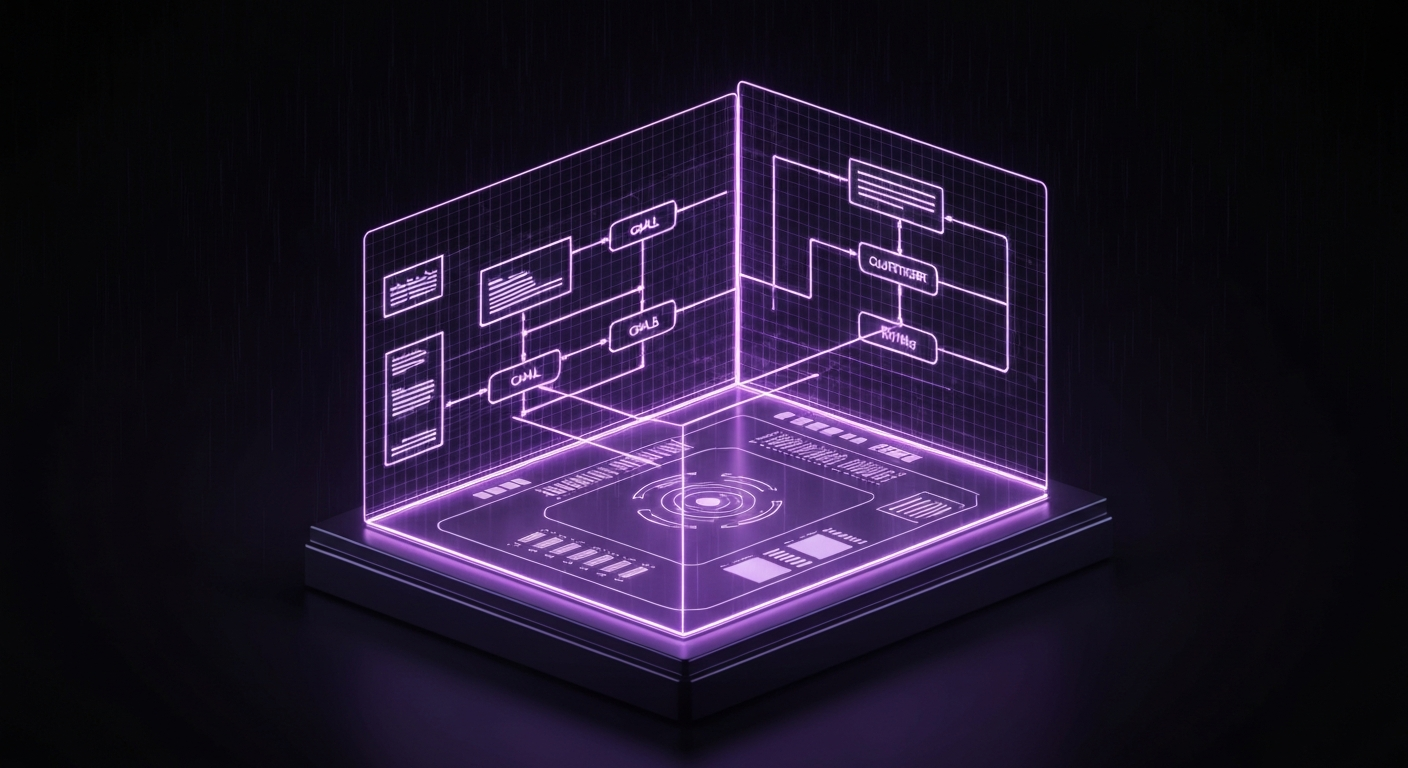
Diving into marketing automation can feel like a monumental task, but a structured approach can make the process manageable and successful. Instead of trying to automate everything at once, focus on building a solid foundation and achieving small, incremental wins. Here is a step-by-step guide to begin your journey.
Before you even look at software, you must know what you want to achieve. Without clear goals, your automation efforts will lack direction. Are you trying to generate more qualified leads, improve customer retention, or increase the average order value? Your goals should be specific, measurable, achievable, relevant, and time-bound (SMART).
Once you have your goals, define the Key Performance Indicators (KPIs) you will use to measure success. For example:
Having these defined upfront will guide your strategy and help you prove the ROI of your investment later on.
You can’t effectively automate a process you don’t understand. Take the time to map out the typical path your customers take, from the moment they first become aware of your brand to the point of purchase and beyond. Identify the key stages (e.g., Awareness, Consideration, Decision) and the touchpoints within each stage.
As you map this journey, look for opportunities and friction points. Where are leads dropping off? What questions do they have at each stage? Where are your team members spending too much time on manual follow-up? These are the areas where automation can have the biggest impact.
Your automation system is only as good as the data within it. The principle of “garbage in, garbage out” applies perfectly here. Before importing your contacts into a new platform, take the time to clean up your lists. Remove duplicate entries, correct typos, and delete inactive or invalid email addresses. A clean database improves deliverability and ensures your analytics are accurate.
Next, segment your audience into meaningful groups. Segmentation allows you to send more targeted and relevant messages. You can segment based on:
Don’t try to build a complex, multi-branching workflow on your first day. The key to long-term success is to start small, learn, and iterate. Choose one simple but high-impact process to automate first. A welcome email series for new subscribers or a follow-up sequence for a content download are excellent starting points.
Build the workflow, launch it, and monitor the results closely. This first campaign will teach you a great deal about how the software works and how your audience responds. Once you’ve mastered a simple workflow and seen its benefits, you can move on to more sophisticated strategies like lead scoring or abandoned cart campaigns.

Selecting the right software is a critical decision that will impact your marketing capabilities for years to come. The market is filled with options, each with its own strengths, weaknesses, and pricing models. To make the best choice, you need to evaluate platforms based on your specific business needs, budget, and long-term goals.
When comparing different marketing automation tools, focus on these three core areas:
While enterprise-level solutions like Marketo and Pardot exist, many powerful and user-friendly platforms are designed specifically for small to medium businesses (SMBs):
When choosing your software, you’ll face a strategic choice between an all-in-one platform and a best-of-breed approach, where you connect several specialized tools.
| Approach | Description | Pros | Cons |
|---|---|---|---|
| All-in-One | A single platform (like HubSpot) that includes a CRM, marketing automation, sales tools, and more. |
|
|
| Best-of-Breed | Connecting multiple specialized tools (e.g., Mailchimp for email, Unbounce for landing pages, Salesforce for CRM). |
|
|
For beginners, an all-in-one solution is often simpler to manage and learn. However, businesses with existing tools they love may find the best-of-breed approach more suitable.

Marketing automation is a powerful tool, but it’s not a magic bullet. Like any tool, its effectiveness depends on the strategy and execution behind it. Many businesses, in their excitement to get started, fall into common traps that undermine their efforts and lead to disappointing results. Being aware of these pitfalls is the first step to avoiding them.
The goal of automation is to make your marketing more efficient and personal, not to turn your brand into a robot. One of the biggest mistakes is automating every single interaction and removing all opportunities for genuine human connection. Customers can tell when they’re talking to a machine, and poorly executed automation can feel impersonal and spammy.
To avoid this, use automation to support, not replace, human interaction. Personalize your automated emails with more than just a first name; use data to make the content relevant. Most importantly, know when to let a real person take over. Set up workflows that notify a sales or support team member to reach out personally when a lead shows strong buying signals or a customer is having trouble.
Your marketing automation system runs on data. If your data is inaccurate, outdated, or incomplete, your campaigns will fail. Sending an email with a broken personalization token like `Hello, FNAME` is a classic sign of poor data management and instantly damages your brand’s credibility. Similarly, if segmentation is based on incorrect information, you risk sending irrelevant messages that can alienate your audience.
Make data hygiene a regular practice. Periodically clean your contact lists to remove invalid emails and duplicates. Standardize your data entry processes (e.g., using dropdown menus instead of open text fields in your forms) to keep information consistent. A commitment to clean data is a commitment to effective automation.
It’s tempting to build a workflow, turn it on, and assume it will run perfectly forever. This “set it and forget it” mentality is a recipe for mediocrity. Customer behaviors change, market trends shift, and your own business goals evolve. An automated campaign that was effective six months ago might be underperforming today.
Treat your automated workflows as living campaigns that require ongoing monitoring and optimization. Regularly review your analytics. Are your email open rates declining? Are leads getting stuck at a certain point in your nurture sequence? Use A/B testing to experiment with different subject lines, email copy, and calls-to-action. Continuous improvement is the key to maximizing your Return on Investment from marketing automation.
Marketing automation is not a static field; it is constantly evolving. The next frontier is being shaped by advancements in Artificial Intelligence (AI) and machine learning, which are pushing the boundaries of what’s possible. These technologies are transforming automation platforms from tools that follow pre-set rules to intelligent systems that can predict customer behavior and create deeply personalized experiences.
Artificial Intelligence is being integrated into marketing automation platforms to make them smarter, faster, and more effective. AI can analyze vast amounts of data to uncover patterns that would be impossible for a human to detect. This is manifesting in several ways:
While traditional automation reacts to past behavior, predictive analytics aims to forecast future actions. By analyzing historical data, machine learning models can identify which leads are most likely to become customers, which customers are at risk of leaving, and what products a specific user is most likely to buy next.
This leads to a more proactive marketing strategy. For example, a predictive lead scoring model can rank leads with much greater accuracy than a simple rule-based system. An e-commerce platform can use predictive analytics to populate its homepage with product recommendations that are uniquely tailored to each visitor the moment they arrive, rather than waiting for them to browse first.
The ultimate goal of this technological evolution is hyper-personalization, or one-to-one marketing. This is the idea that every single interaction a customer has with your brand can be uniquely tailored to their individual needs, preferences, and real-time context. It moves beyond using a contact’s first name in an email to creating a completely dynamic customer journey.
Imagine a website that rearranges its content based on what it knows about a visitor’s interests. Or an email campaign where the images, offers, and calls-to-action are different for every single recipient, all determined by AI in the moment the email is opened. While true one-to-one personalization at scale is still emerging, it represents the future that AI-powered marketing automation is rapidly moving toward.

After exploring the what, why, and how of marketing automation, the final question remains: is it the right move for your business? While the technology offers immense potential, it requires an investment of time, resources, and strategic thinking. It’s not a quick fix but a long-term strategy for sustainable growth.
The decision to adopt marketing automation often comes down to identifying specific pain points in your current processes. If you find yourself nodding in agreement with the following statements, there’s a strong chance your business is ready:
If these challenges resonate with you, marketing automation is no longer a “nice-to-have”—it’s a necessary step toward scaling your operations and staying competitive. It provides the framework to not only solve these problems but also to build a more efficient, data-driven, and customer-centric marketing engine. The journey begins with defining your goals, understanding your customers, and taking that first step to automate a simple, meaningful workflow. The power to transform your marketing is within reach.