





In a world of fleeting attention spans and fierce competition, acquiring a new customer is just the beginning. The real challenge—and the greatest opportunity for sustainable growth—lies in what happens next. This is the domain of customer lifecycle marketing, a strategic approach focused on building long-term, mutually beneficial relationships rather than pursuing one-off transactions. It represents a shift from a hunter’s mindset (always chasing the next sale) to a farmer’s mindset (nurturing relationships to yield long-term value).
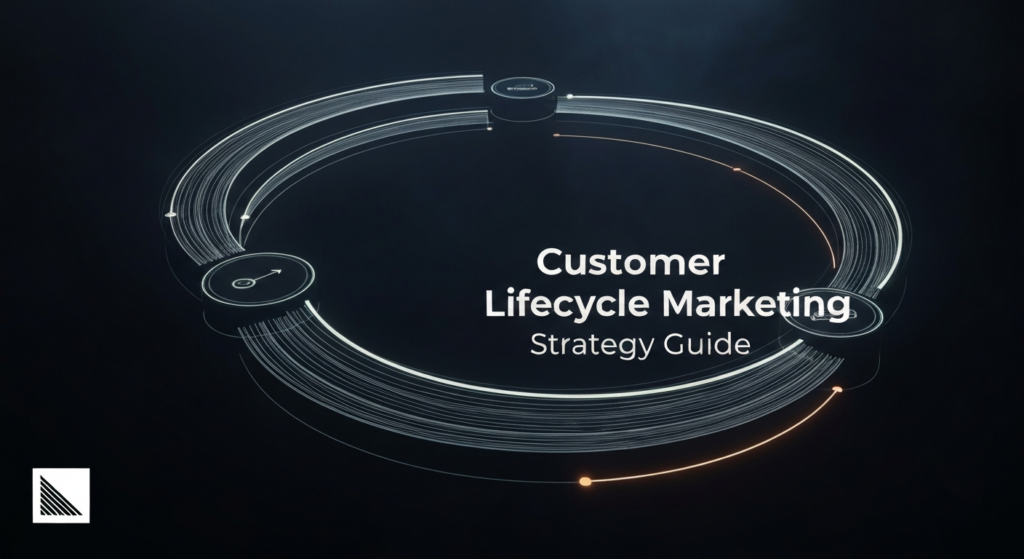
Customer lifecycle marketing is the process of providing personalized, relevant communication and experiences to individuals as they move through the stages of their relationship with your brand. Unlike the traditional marketing funnel, which is linear and ends with a purchase, the customer lifecycle is cyclical. It acknowledges that a customer’s journey doesn’t end at conversion; it evolves into stages of retention, loyalty, and, ideally, advocacy. The goal is not just to make a sale but to create a loyal advocate who contributes to your bottom line for years and brings new customers into the fold.
This strategic shift is critical because acquiring a new customer is five to 25 times more expensive than retaining an existing one. Furthermore, data shows that increasing customer retention by just 5% can boost profits by 25% to 95%. By focusing on the entire lifecycle, businesses can maximize Customer Lifetime Value (CLV), reduce churn, and build a resilient brand. Ultimately, it transforms marketing from a cost center focused on acquisition into a profit engine driven by customer engagement and long-term value.
To effectively engage customers, you must first understand the journey they take with your brand. The customer lifecycle is typically broken down into six distinct stages, each with its own goals, strategies, and customer mindset. Understanding these stages allows you to deliver the right message through the right channel at the right time.
This is the first touchpoint, where a potential customer becomes aware of your brand, product, or service. They have a problem or need and are beginning to search for a solution. At this stage, they likely don’t know who you are. Your primary goal is to get on their radar and make a strong first impression. Marketing efforts should be broad yet targeted, focusing on education and value rather than a hard sell. Key channels include search engine optimization (SEO), content marketing (blog posts, infographics), social media, and paid advertising.
Once a prospect is aware of your brand, the acquisition stage is about capturing their interest and convincing them to take the next step. They are actively evaluating their options, and your goal is to persuade them to engage with you directly. This is where you begin building a relationship by capturing their contact information, typically in exchange for something valuable. Effective tactics include offering lead magnets like ebooks, hosting webinars, encouraging newsletter sign-ups, and providing free trials or demos. The focus shifts from broad reach to direct engagement.
This is the pivotal moment where a prospect becomes a paying customer. They have decided your solution is the right fit and are ready to make their first purchase. Your goal is to make this process as seamless and positive as possible. A cumbersome checkout process or unclear pricing can easily derail a sale at this final stage. Key strategies for Conversion Rate Optimization (CRO) include clear calls-to-action (CTAs), a simple and secure checkout process, transparent pricing, and reassuring social proof like customer reviews. The initial post-purchase experience, often called onboarding, is also critical for setting the stage for long-term retention.
After the sale, the work is far from over. The retention stage is focused on encouraging your new customer to stick around and make repeat purchases. The key is to deliver on the promises made during the acquisition phase and provide ongoing value. Excellent customer service, personalized communication, and a smooth onboarding process are foundational. Marketing automation can be used to send targeted follow-up emails, offer relevant content, and check in on the customer’s experience. The goal is to prevent customer churn and build a habit of using your product or service.
A retained customer is not necessarily a loyal one. The loyalty stage is about transforming satisfied, repeat customers into true fans of your brand. These are the customers who choose you over competitors, even when there are cheaper or more convenient options. Building loyalty requires going above and beyond. This can be achieved through loyalty programs, exclusive access to new products, personalized offers, and community-building initiatives. At this stage, you are solidifying an emotional connection with the customer, making them feel valued and part of an exclusive group.
The final and most powerful stage is advocacy, where loyal customers become voluntary brand ambassadors. They actively promote your brand to their networks through word-of-mouth, social media, and positive reviews. An advocate’s recommendation is often more trusted and effective than any traditional advertising. Your goal is to empower and encourage this behavior. Strategies include implementing referral programs, running user-generated content (UGC) campaigns, and featuring customer success stories. These advocates then fuel the top of your funnel by bringing in new prospects, making the lifecycle a self-sustaining growth engine.
Developing a successful customer lifecycle marketing strategy requires a structured, data-driven approach. It’s about moving from theory to practice by systematically planning how you’ll engage customers at every stage. Here’s a four-step framework to get you started.
Before you can influence the customer’s journey, you must understand it. Customer journey mapping is the process of creating a visual representation of every interaction a customer has with your brand, from initial awareness to long-term advocacy. This map should identify all key touchpoints (e.g., visiting your website, opening an email, contacting support), the customer’s goals and feelings at each point, and any pain points they might experience. This exercise provides invaluable insights into where your customer experience is succeeding and where it needs improvement.
Not all customers are the same, so a one-size-fits-all approach is ineffective. Audience segmentation is the practice of dividing your customer base into smaller groups based on shared characteristics, allowing for more targeted and personalized marketing. Segments can be based on:
By segmenting your audience, you can tailor your messaging, offers, and content to the specific needs and motivations of each group, dramatically increasing relevance and effectiveness.
To measure success, you need to define what it looks like at each stage of the lifecycle. Assign specific, measurable, achievable, relevant, and time-bound (SMART) goals to every stage. Then, identify the Key Performance Indicators (KPIs) you will use to track progress. For example:
Having clear goals and KPIs provides focus and allows you to demonstrate the ROI of your lifecycle marketing efforts.
With your journey mapped, segments defined, and goals set, the final step is to select the right marketing channels and tactics for each stage. The key is to match the tactic to the customer’s mindset and your stage-specific goal. For instance, educational blog posts and social media ads are ideal for the Awareness stage. A personalized email onboarding series is perfect for the Conversion and early Retention stages. A VIP loyalty program communicated via email and a mobile app works well for building Loyalty. Your plan should outline the specific campaigns, content, and offers you will deploy for each segment at each stage.
A data-driven approach is essential for optimizing your customer lifecycle strategy. Tracking the right metrics allows you to understand what’s working, identify areas for improvement, and demonstrate the financial impact of your efforts. Here are the core metrics to monitor, broken down by their primary lifecycle phase.
In the early stages, your focus is on attracting prospects efficiently.
Once you have a prospect’s attention, the goal is to convert them into a customer.
After the first purchase, the focus shifts to keeping customers engaged and coming back.
These metrics help you understand the long-term value and health of your customer relationships.
| Lifecycle Stage | Key Metric | What It Measures |
|---|---|---|
| Reach & Acquisition | CAC / CPL | The cost-efficiency of acquiring new customers and leads. |
| Conversion | Conversion Rate / AOV | The effectiveness of turning prospects into customers and the value of each transaction. |
| Retention | Churn Rate / Repeat Purchase Rate | Your ability to keep customers and encourage them to buy again. |
| Loyalty & Advocacy | LTV / NPS | The long-term value of a customer and their willingness to promote your brand. |

In today’s crowded digital landscape, generic marketing messages are easily ignored. Personalization is no longer optional; it is the engine that powers effective customer lifecycle marketing. It is the practice of tailoring communications, product recommendations, and the overall customer experience to the specific needs, preferences, and behaviors of an individual. By delivering relevant content at every touchpoint, you show customers that you understand them, which builds trust and deepens the relationship.
Personalization is critical at every stage. In the Awareness stage, it can mean serving dynamic ad creative based on a user’s browsing history. During Acquisition, it’s about recommending a relevant ebook based on the content they’ve read. At Conversion, it can involve showing location-specific shipping information. In the Retention and Loyalty stages, it becomes even more powerful. Think of Amazon’s product recommendations or Netflix’s curated content. These experiences, driven by deep behavioral data, make customers feel understood and valued, which significantly reduces churn and increases lifetime value.
Effective personalization relies on data. By unifying data from your CRM, website analytics, and e-commerce platform, you can build a comprehensive single customer view. This allows you to segment audiences with precision and trigger automated, personalized communications based on customer actions. For example, a customer who abandons their shopping cart can automatically receive a personalized email with the item they left behind, while a loyal customer who hasn’t purchased in 90 days could receive a special “we miss you” offer. This level of relevance is what separates brands that thrive from those that merely survive.
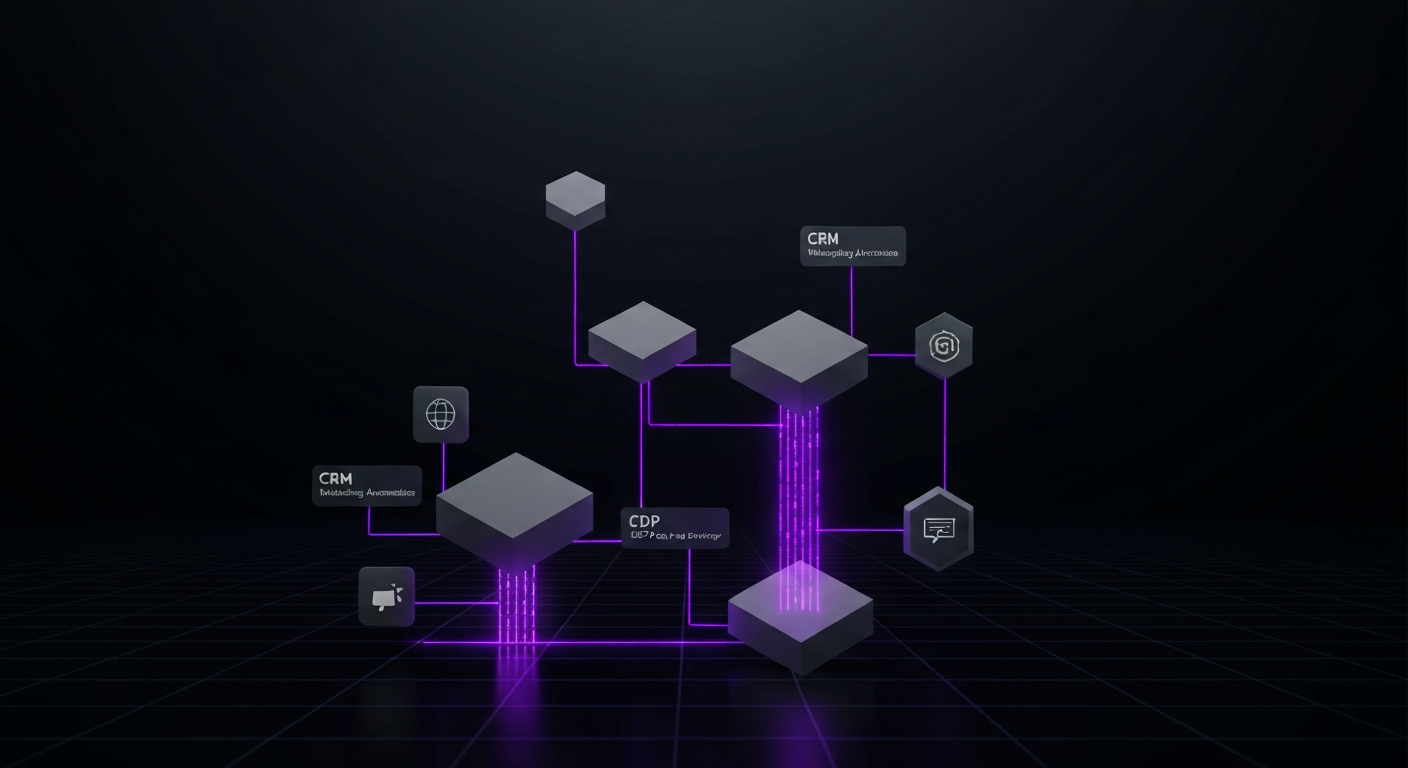
Executing a sophisticated customer lifecycle marketing strategy at scale is impossible without the right technology stack. These tools help you collect and manage customer data, automate communications, and measure performance, freeing up your team to focus on strategy and creativity.
A CRM is the heart of your customer data. It serves as a centralized database for all customer information, including contact details, communication history, and purchase records. Platforms like Salesforce, HubSpot CRM, and Zoho CRM provide a single source of truth about your customers, enabling sales, marketing, and service teams to deliver a consistent, unified experience.
These platforms are the workhorses of lifecycle marketing. Tools like Mailchimp, ActiveCampaign, and Klaviyo allow you to design and automate complex marketing workflows triggered by customer behavior. You can build automated email sequences for onboarding new customers, re-engaging inactive users, or nurturing leads. By automating these communications, you can deliver timely, personalized messages to every customer without manual intervention.
A CDP takes data management a step further than a CRM. While a CRM primarily stores known customer data, a CDP ingests and unifies data from a wide array of sources—including anonymous website visitors, mobile apps, and third-party tools. Platforms like Segment and Tealium create persistent, unified customer profiles that can be used to power real-time personalization across all marketing channels. They solve the common problem of data silos, providing the clean data needed for advanced personalization.
To optimize your strategy, you need robust analytics. Tools like Google Analytics provide deep insights into website traffic and user behavior. Product analytics platforms like Mixpanel or Amplitude help you understand how users engage with your software or app. Business intelligence (BI) tools like Tableau or Looker can then consolidate data from all your systems to create comprehensive dashboards for tracking key lifecycle metrics like LTV, CAC, and churn.

Content is the fuel for your lifecycle marketing engine. By creating and distributing targeted content that aligns with each stage of the customer journey, you can attract, engage, and retain customers more effectively. The key is to match the content format and topic to the customer’s needs at their specific stage.
At the beginning of the journey, customers are looking for information, not a sales pitch. Your content should be educational, entertaining, and helpful, with the goal of establishing authority and building trust.
Once a prospect is considering your solution, your content should focus on demonstrating your value and helping them make a decision. This is where you differentiate yourself from competitors.
For existing customers, your content should reinforce the value of their purchase and encourage deeper engagement and loyalty. The goal is to make them feel like valued insiders.
While the benefits of customer lifecycle marketing are clear, implementation can present several challenges. Being aware of these potential hurdles can help you proactively address them.
Challenge 1: Data Silos. Customer data is often scattered across different platforms (CRM, email service, analytics tools) that fail to communicate, making it impossible to get a unified view of the customer. The solution is to invest in a Customer Data Platform (CDP) to unify data from all sources. If a CDP isn’t feasible, integration tools like Zapier can connect key systems to ensure data flows freely between them.
Challenge 2: Lack of Resources. Small teams may feel overwhelmed by the complexity of creating personalized experiences across the entire lifecycle. The best approach is to start small. Focus on optimizing one or two high-impact stages first, such as customer onboarding or churn reduction. Use the results from these initial efforts to prove ROI and secure more resources to expand the program.
Challenge 3: Inconsistent Cross-Channel Experience. A customer might receive conflicting messages on email, social media, and your website, leading to a disjointed and confusing experience. To solve this, develop a centralized content and campaign calendar and use a multi-channel marketing automation platform to orchestrate communications. Ensure all teams (marketing, sales, support) are aligned on messaging and goals.
Challenge 4: Difficulty with Attribution. It can be hard to determine which marketing touchpoints are truly driving value, making it difficult to justify investment. The solution is to implement a multi-touch attribution model rather than relying on last-click attribution. Use analytics tools with robust modeling capabilities and ensure tracking, like UTM parameters, is consistent across all campaigns.

Seeing how leading brands apply these principles can provide inspiration and a practical roadmap for your own strategy.
Netflix: The Master of Retention. As a prime example of a company built on lifecycle marketing, Netflix’s entire model depends on retention. It excels during onboarding by using a sophisticated algorithm to provide personalized recommendations from day one. To keep users engaged (Retention), Netflix delivers a constant stream of new content and personalized email notifications about relevant shows. For customers who cancel, the company deploys a powerful re-engagement strategy, sending emails that highlight new, popular content to entice them back.
Starbucks: Building Loyalty Through Gamification. The Starbucks Rewards program is a masterclass in loyalty and advocacy marketing. By using a mobile app to track every purchase, the company rewards customers with “Stars.” This gamified system encourages repeat purchases (Retention) to reach new tiers with better perks. The app also enables powerful personalization, sending targeted offers based on a user’s purchase history. This creates highly loyal customers who feel a strong connection to the brand and are likely to recommend it to others (Advocacy).
HubSpot: Content for Every Stage. HubSpot has built an empire by perfectly aligning its content with the customer lifecycle. It attracts millions of users at the Awareness stage with its industry-leading blog and educational resources. It acquires leads by offering powerful free tools like the HubSpot CRM (Acquisition). The company nurtures these leads with educational webinars and case studies, guiding them toward its paid products (Conversion). For existing customers, HubSpot offers extensive training and a supportive community to ensure success, driving high retention and loyalty.

The field of customer lifecycle marketing is constantly evolving, with the next frontier being shaped by artificial intelligence (AI) and predictive analytics. These technologies are moving marketing from a reactive practice—responding to what customers have already done—to a proactive one that anticipates what they will do next.
AI is set to supercharge personalization at a scale previously unimaginable. AI algorithms can analyze vast amounts of customer data in real time to deliver truly one-to-one experiences. This includes dynamically changing website content for each visitor, sending hyper-personalized product recommendations, and powering chatbots that provide instant, context-aware support.
Predictive analytics will allow marketers to identify opportunities and risks before they become apparent. For example, predictive models can analyze behavior to identify customers at high risk of churning, allowing marketers to intervene with a targeted retention offer. Similarly, these models can identify customers most likely to upgrade or become brand advocates, enabling more efficient marketing efforts. The future of this discipline lies not just in understanding a customer’s past journey, but in intelligently guiding their future one, creating more value for both the customer and the business.