




In today’s competitive market, a customer’s loyalty is won not by price or features alone, but by the quality of their entire experience with a brand. This is where Customer Journey Optimization (CJO) becomes a critical business strategy. CJO is the process of systematically analyzing and improving the series of interactions, or touchpoints, a customer has with a company, from initial awareness to becoming a loyal advocate. The goal is to understand the customer’s perspective, identify pain points, and create a more seamless, intuitive, and valuable experience at every step.
The power of CJO lies in its holistic approach. Many businesses focus on optimizing individual touchpoints in isolation through Conversion Rate Optimization (CRO), such as A/B testing a landing page button or refining an email subject line. While these efforts are valuable, they can create a disjointed experience if the overall journey is not considered. For example, a compelling ad that leads to a confusing website, or a smooth checkout process followed by poor customer support, creates friction and erodes trust. CJO shifts the focus from optimizing single transactions to cultivating long-term relationships.
A well-optimized customer journey directly impacts the bottom line. By removing friction and adding value, businesses increase customer satisfaction. Satisfied customers are more likely to make repeat purchases, which increases Customer Lifetime Value (CLV), and are less likely to switch to a competitor, which reduces churn. Furthermore, delighted customers become a company’s most effective marketers, transforming into brand advocates who drive word-of-mouth referrals. Optimizing the journey is a powerful engine for sustainable growth, enhanced loyalty, and a stronger brand reputation.
To optimize the customer journey, you must first understand its structure. While specific paths vary, the modern customer journey is typically broken down into five distinct stages. Each stage represents a different customer mindset and set of goals, requiring a tailored approach from the business. By mapping customer interactions against these stages, you can identify opportunities to meet their needs more effectively and guide them seamlessly to the next phase.
This initial stage is where a potential customer becomes aware of a problem they need to solve or a desire they want to fulfill, and simultaneously discovers your brand as a potential solution. They are not yet ready to buy; they are in research and discovery mode. The goal is to attract their attention and provide value without a hard sell. Key touchpoints include SEO-optimized blog posts that answer their questions, engaging social media content, targeted digital ads, and public relations mentions. Your objective is to be a helpful resource, establishing trust and top-of-mind awareness for when they are ready to proceed.
Once a potential customer is aware of their need and your brand, they enter the consideration stage. Here, they actively research and compare different options to find the best solution. They require more detailed information to make an informed decision. Your goal is to demonstrate why your product or service is the superior choice. Touchpoints become more product-focused, including detailed product pages, competitor comparison guides, in-depth case studies, customer reviews, and educational webinars. Clarity, transparency, and social proof are paramount in this phase to build confidence and differentiate your offering.
The purchase stage is the critical moment of conversion, where a prospect decides to become a customer. After weighing their options, they have chosen your solution. The primary objective here is to make the transaction process as simple, secure, and frictionless as possible, as any obstacle can lead to cart abandonment. Key touchpoints include the pricing page, the online checkout flow, a sales consultation, or the in-store point-of-sale. Optimizing this stage involves clear pricing, guest checkout options, multiple payment methods, and visible security badges to reassure the buyer.
The journey does not end with a purchase. The retention stage is where a one-time buyer is converted into a loyal, repeat customer. This phase centers on the post-purchase experience and ensuring the customer gets maximum value from your product or service. A positive experience here solidifies their decision and builds a long-term relationship. Important touchpoints include a smooth onboarding process, proactive customer support, a comprehensive knowledge base, personalized follow-up emails, and loyalty programs. The goal is to exceed expectations and reinforce that they made the right choice.
The final and most valuable stage is advocacy. In this phase, a satisfied customer is so delighted with their experience that they become a proactive promoter of your brand. They share their positive experiences with their network, write glowing reviews, and become a source of powerful word-of-mouth marketing. Your role is to encourage and facilitate this behavior. Touchpoints designed to foster advocacy include referral programs, easy-to-use review prompts, user-generated content campaigns, and community forums. These brand champions create a virtuous cycle, bringing new customers into the awareness stage.

To effectively optimize the customer journey, you need a visual guide. A Customer Journey Map is a powerful tool that illustrates every interaction a customer has with your brand from their perspective. It is the cornerstone of any CJO strategy because it transforms abstract data into a clear, empathetic narrative. A well-crafted map helps pinpoint moments of friction, identify opportunities for delight, and align the entire organization around the customer’s experience. Creating one involves developing personas, gathering data, and visualizing the path.
Before you can map a journey, you must understand who is taking it. A customer persona is a semi-fictional, detailed profile of an ideal customer based on real data and market research. It goes beyond simple demographics to include goals, motivations, challenges, and pain points. For example, instead of targeting “small business owners,” you might create a persona named “Creative Carla,” a freelance graphic designer who struggles with invoicing and time tracking. By building two to three core personas, you can create journey maps that reflect the unique needs of your most important customer segments, ensuring your optimization efforts are relevant and targeted.
A journey map built on assumptions is a work of fiction. To make it an actionable tool, it must be grounded in both quantitative and qualitative data. Quantitative data from tools like Google Analytics and your CRM reveals *what* customers are doing—such as which pages they visit, where they drop off in a funnel, and how long they stay. Qualitative data from customer surveys, one-on-one interviews, support ticket analysis, and online reviews tells you *why* they are doing it. Combining these data sources provides a complete picture of the customer’s actions, thoughts, and feelings at each stage.
With personas defined and data collected, the final step is to visualize the journey. A typical journey map is a timeline charting the key stages (Awareness, Consideration, etc.) horizontally. For each stage, you map the following elements vertically:
This visual representation helps your entire team understand the customer’s experience, empathize with their struggles, and collaboratively brainstorm solutions.
A customer journey contains numerous touchpoints, but not all are created equal. While it is tempting to optimize everything at once, this approach is often inefficient. Successful CJO involves identifying and prioritizing the critical touchpoints that have the greatest impact on the customer experience and business goals. These are often moments of high emotion, critical decision-making, or significant friction. By focusing resources on these pivotal interactions, you can achieve the most significant improvements with the least effort.
In the digital age, a customer’s first impression is almost always formed online. Your website is your digital storefront, making its user experience (UX) paramount. Critical touchpoints include the homepage, product pages, ad landing pages, and the blog. Information should be easy to find, and the site must be fast and mobile-friendly. Social media platforms are another key digital touchpoint for discovery, engagement, and customer service. Finally, Search Engine Optimization (SEO) is the touchpoint before the touchpoint; it determines how easily customers can find you when they are actively seeking solutions. Optimizing these channels ensures a strong start to the journey.
Direct communication channels are where relationships are built or broken. Email marketing, from newsletters to transactional confirmations, must be timely, relevant, and personalized. Chatbots and live chat offer immediate assistance, but a poorly designed bot can cause immense frustration. A support call is often the most personal and emotionally charged interaction a customer has with a company. The agent’s empathy, knowledge, and efficiency can turn a negative situation into a loyalty-building experience. Each of these touchpoints requires careful management to ensure a consistent and helpful brand voice.
Interactions that occur after a purchase are crucial for retention and advocacy. The onboarding process is your opportunity to guide new customers to success, ensuring they get value from your product or service. This can include a welcome email series, in-app tutorials, or a setup call. Proactive follow-ups, such as asking for feedback or sharing helpful tips, show that you are invested in their long-term success. Even seemingly mundane touchpoints like billing inquiries and renewal notices must be handled with clarity and care, as they are critical to maintaining a positive, long-term relationship.
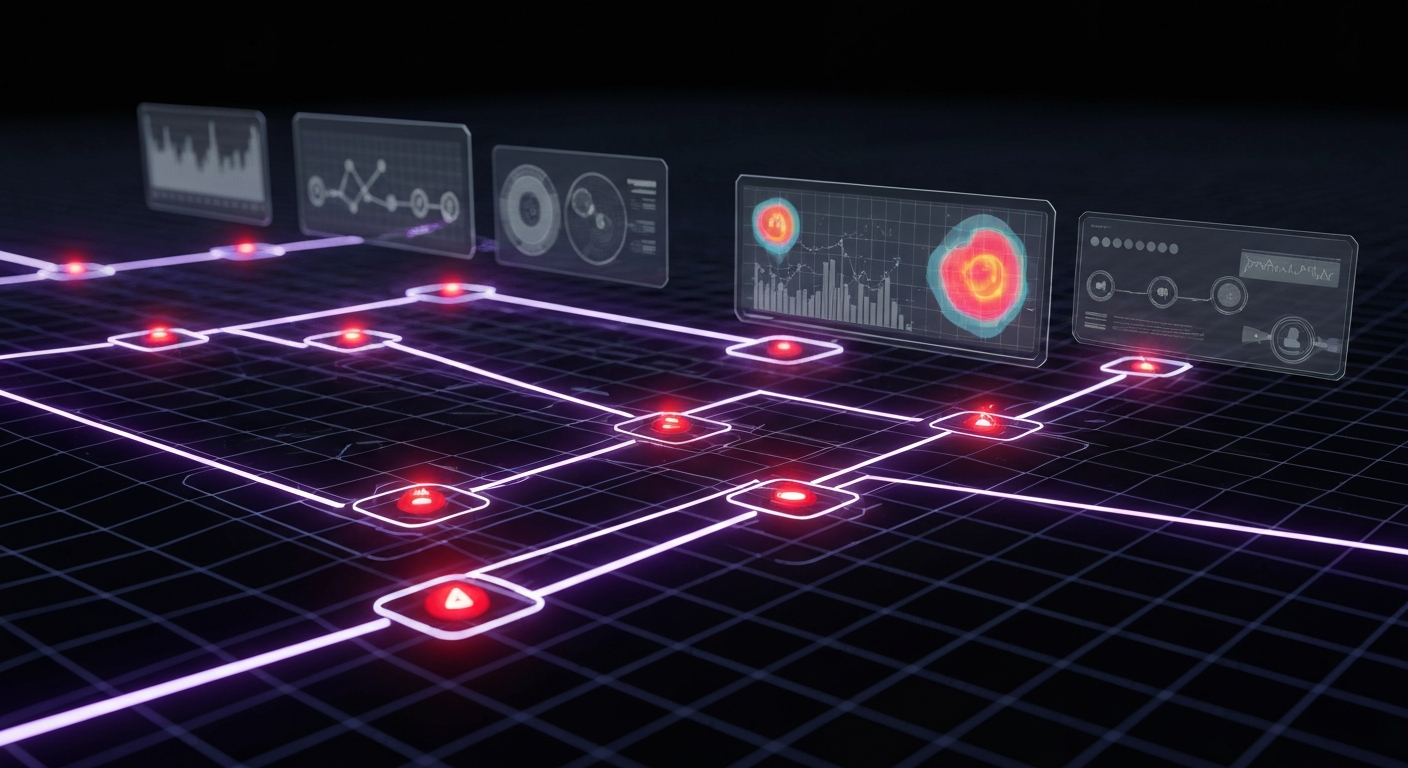
With a customer journey map in hand, the next step is to use it as a diagnostic tool to pinpoint where customers struggle, get confused, or abandon their journey. These friction points are opportunities for improvement. To uncover them, you must employ a mix of analytical tools and qualitative research techniques that reveal both what is happening and why it is happening.
Quantitative data provides hard evidence of user behavior. Web analytics platforms like Google Analytics are essential for tracking user flow reports to see paths people take through your website and identify pages with high exit rates. Setting up conversion funnels for key processes, such as checkout or sign-up, shows exactly where users are dropping off. To add visual context, heatmap and session recording tools (like Hotjar or Crazy Egg) are invaluable. Heatmaps show where users click and scroll, while session recordings provide video playbacks of individual interactions, helping you spot confusing navigation or unclicked calls-to-action.
While analytics tell you *what* is happening, qualitative methods tell you *why*. Surveys are a scalable way to gather direct customer feedback. You can use tools like SurveyMonkey or Typeform to deploy targeted surveys at key moments, such as a post-purchase survey to measure Customer Satisfaction (CSAT) or an exit-intent pop-up to ask why visitors are leaving. For deeper insights, usability testing is unparalleled. This involves observing real users as they attempt to complete tasks on your website or app. Listening to them think aloud reveals pain points that data alone cannot.
Your customers are constantly discussing your brand online, and these public conversations are a goldmine of unfiltered feedback. Social listening tools (like Sprout Social or Brand24) allow you to monitor mentions of your brand, products, and competitors across social media, forums, and blogs. This can alert you to widespread issues or emerging customer sentiment in real time. Similarly, actively monitoring online review sites like G2, Capterra, or Google Reviews provides honest accounts of your customers’ end-to-end experiences, often highlighting specific pain points in the journey that need to be addressed.
Identifying friction points is only half the battle. The next step is to implement targeted strategies to resolve those issues and enhance the experience at each stage of the customer journey. The goal is to create a smoother, more valuable path that guides customers from one stage to the next with ease and confidence. Below are actionable strategies tailored to the unique goals of each phase.
In the awareness stage, customers seek answers, not a sales pitch. Your optimization strategy should focus on being a valuable resource. Create high-quality, SEO-optimized content that addresses their core problems, such as blog posts, how-to guides, educational videos, or infographics. For example, a financial software company could create a comprehensive guide titled “A Small Business Owner’s Guide to Q1 Tax Prep.” By providing genuine value upfront, you build trust and position your brand as a credible authority, making it more likely that customers will remember you when they are ready to evaluate solutions.
During the consideration stage, customers are actively comparing you against competitors. Your goal is to make it easy for them to see why you are the best choice. This requires clarity, transparency, and compelling social proof. Optimize product and service pages with high-resolution images, detailed feature descriptions, and clear, upfront pricing. Create comparison tables that stack your offering against key competitors, highlighting your unique advantages. Feature customer testimonials, case studies, and user reviews prominently to build credibility and reduce perceived risk. The easier you make it for customers to evaluate your solution, the more likely they are to choose it.
Friction during the purchase process is a primary driver of lost revenue. The goal here is radical simplification. Analyze your checkout flow and eliminate every unnecessary step, form field, and distraction. Offer a guest checkout option so users do not have to create an account. Provide multiple payment methods, including digital wallets like Apple Pay and Google Pay. Use a visual progress bar to show users exactly where they are in the process. Display clear calls-to-action and visible security badges to build trust. Every second of hesitation you remove from the checkout process can directly increase your conversion rate.
After the purchase, the focus shifts to nurturing the customer relationship to foster loyalty. Generic, one-size-fits-all communication is ineffective. Use customer data to personalize their post-sale experience. Send a tailored onboarding email series that guides them based on how they are using your product. Proactively reach out with helpful tips or resources relevant to their goals. Create exclusive content or offer early access to new features for existing customers. A simple, personalized thank-you note or a check-in email can make a customer feel valued, transforming a transaction into a long-term partnership.

In a world saturated with generic marketing, personalization is key to cutting through the noise and creating a seamless customer experience. It is the practice of using data to tailor interactions, content, and offers to an individual’s specific needs and preferences. When done right, personalization makes customers feel understood and valued, transforming the journey from a rigid, one-size-fits-all path into a dynamic experience that adapts to them in real time.
The impact of personalization is felt across every stage of the customer journey. In the awareness stage, it means serving ads and content relevant to a user’s browsing history or demographic profile. During consideration, it involves showcasing product recommendations based on past purchases or displaying dynamic website content that speaks to their industry. In the retention phase, personalization shines through in targeted email campaigns that celebrate customer milestones or offer relevant upsells. An e-commerce site showing a returning visitor products related to previous searches is a classic example.
However, effective personalization requires a delicate balance. The goal is to be helpful and relevant, not intrusive. This depends on using data responsibly and transparently. The best personalization strategies are powered by a deep understanding of customer context—what they are trying to achieve, what they have done in the past, and what they might need next. By focusing on adding value, you can leverage personalization to remove friction, increase engagement, and build stronger, more meaningful relationships with your customers.
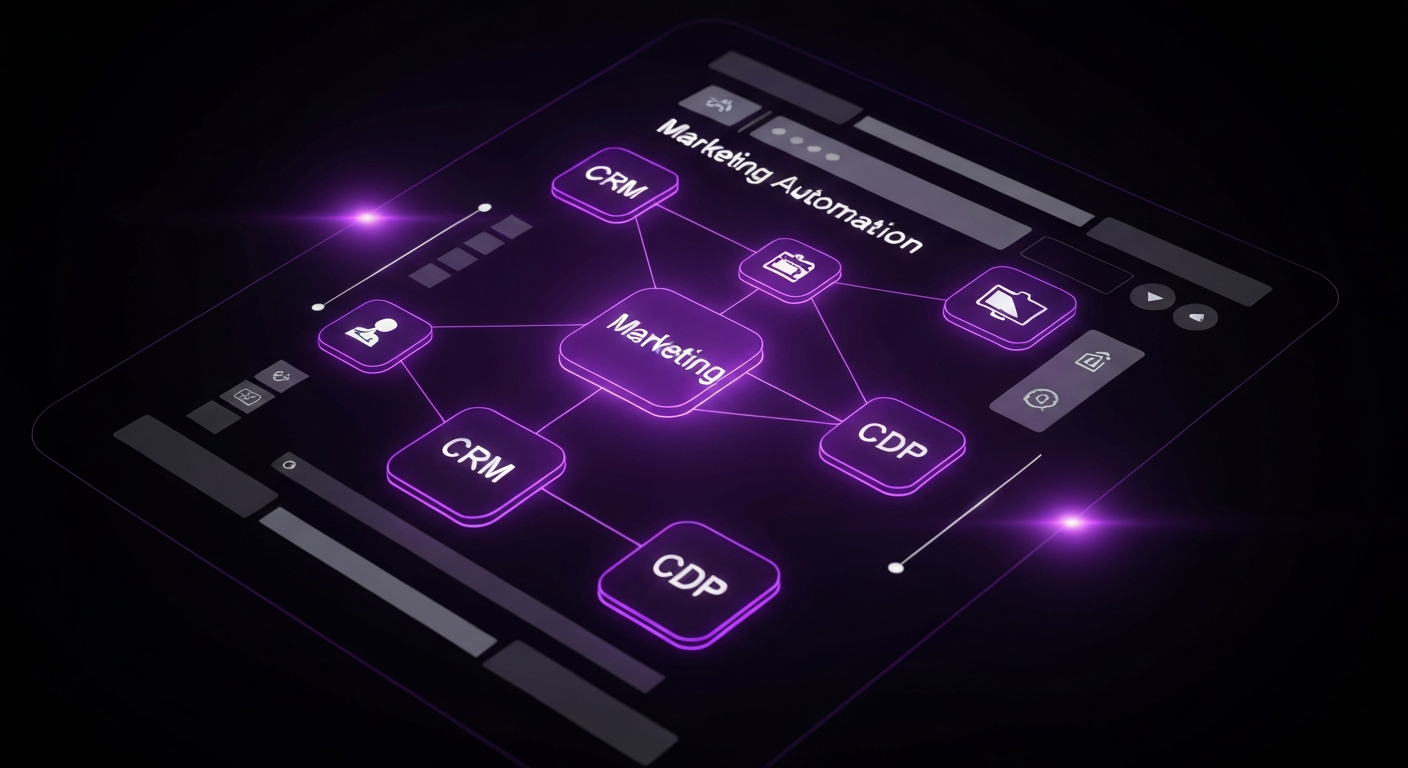
Optimizing the customer journey at scale is nearly impossible without the right technology. A cohesive set of tools allows you to collect and unify customer data, automate communication, analyze behavior, and personalize experiences across multiple touchpoints. While specific needs vary, four categories form the foundation of a modern CJO technology strategy.
A CRM is the central hub for your customer data. It provides a single database where all customer interactions—from sales calls and support tickets to email correspondence and purchase history—are recorded. Platforms like Salesforce, HubSpot, and Zoho create a 360-degree view of each customer. This comprehensive history is essential for personalizing communication and ensuring that every team member has the context needed to provide a consistent and informed experience.
Marketing automation platforms, such as Marketo, Pardot, or ActiveCampaign, are crucial for executing personalized communication at scale. These tools allow you to create complex, trigger-based workflows. For example, you can automatically send a welcome email series to new subscribers, nurture leads with targeted content based on their behavior, or send a reminder to customers who have abandoned a shopping cart. By automating these tasks, you can ensure timely and relevant communication at critical moments in the journey.
While a CRM manages direct customer interactions, a Customer Data Platform (CDP) unifies customer data from all sources into a single, persistent profile. A CDP can ingest data from your website analytics, mobile app, CRM, e-commerce platform, and even offline sources. Platforms like Segment and Tealium then stitch this data together to create a comprehensive view of the customer across all touchpoints. This unified profile is the fuel for advanced personalization, allowing you to create highly targeted segments and deliver consistent experiences across every channel.
To optimize the journey, you must measure it. This requires a suite of analytics and feedback tools. Web analytics platforms like Google Analytics track user behavior and conversion metrics. Behavioral analytics tools like Hotjar or FullStory provide heatmaps and session recordings for deeper usability insights. Finally, customer feedback tools like SurveyMonkey or Delighted allow you to directly capture the voice of the customer through surveys measuring KPIs like Net Promoter Score (NPS) and Customer Satisfaction (CSAT).
| Tool Category | Primary Function | Examples |
|---|---|---|
| CRM | Centralizes customer interaction data and history. | Salesforce, HubSpot, Zoho |
| Marketing Automation | Automates personalized communication and workflows. | Marketo, Pardot, ActiveCampaign |
| CDP | Unifies customer data from all sources into a single profile. | Segment, Tealium, mParticle |
| Analytics & Feedback | Measures user behavior and collects customer sentiment. | Google Analytics, Hotjar, SurveyMonkey |
Customer Journey Optimization is not a one-time project but a continuous cycle of analysis, implementation, and measurement. To understand if your efforts are working and to justify continued investment, you must track the right Key Performance Indicators (KPIs). These metrics provide tangible evidence of success by connecting journey improvements to real business outcomes. Focusing on a handful of core metrics across the entire journey gives a clear picture of your progress.
Conversion Rate is the percentage of users who complete a desired action. While often associated with the final purchase, a conversion can be any key goal within the journey, such as signing up for a newsletter, downloading a whitepaper, or starting a free trial. Tracking conversion rates at different stages helps you measure the effectiveness of your optimization efforts in moving customers from one phase to the next. A low conversion rate at a specific touchpoint is a clear signal that friction exists and needs to be addressed.
Customer Lifetime Value (CLV) projects the total revenue a business can expect from a single customer over the entire relationship. This is a critical CJO metric because it shifts the focus from short-term gains to long-term relationship building. Successful optimization of the retention and advocacy stages—through better onboarding, support, and loyalty programs—is a key driver of higher CLV, as customers stay longer and buy more.
Net Promoter Score (NPS) is a widely used metric for gauging customer loyalty and satisfaction. It is measured by asking a single question: “On a scale of 0-10, how likely are you to recommend our company to a friend or colleague?” Respondents are categorized as Promoters (9-10), Passives (7-8), or Detractors (0-6). NPS provides a high-level score reflecting the health of the overall customer experience. Tracking NPS over time shows how your journey optimization efforts are impacting customer sentiment and their willingness to advocate for your brand.
Customer Churn Rate is the percentage of customers who stop doing business with your company over a given period. It is the ultimate indicator of a poor customer experience. A high churn rate signals significant problems in the post-purchase journey, such as a difficult product, poor customer support, or a failure to deliver on promises. Reducing churn is a primary goal of CJO, as retaining an existing customer is far more cost-effective than acquiring a new one. Monitoring this metric is essential for understanding the success of your retention strategies.
Embarking on a CJO initiative is a powerful strategic move, but it is not without challenges. Many organizations encounter predictable roadblocks that can stall progress. By anticipating these hurdles, you can navigate the complexities of CJO more effectively and ensure your program delivers lasting value.
One of the most significant challenges is data silos. In many companies, customer data is fragmented across different departments and systems—marketing has its analytics, sales has its CRM, and support has its ticketing system. This makes it impossible to get a coherent view of the customer’s journey. The solution is to prioritize data integration, often by implementing a Customer Data Platform (CDP) or making a CRM the central source of truth. Equally important is fostering a culture of cross-functional collaboration, where teams share insights and work toward the common goal of improving the customer experience.
Another common obstacle is a lack of resources or executive buy-in. CJO is a long-term strategy, not a quick fix, and it requires investment in technology, time, and personnel. To overcome this, start small. Instead of mapping every possible journey, choose one high-impact, high-friction journey to focus on first, such as the online checkout process. Use this pilot project to demonstrate tangible ROI with clear metrics, like a 15% reduction in cart abandonment. This early win can build a compelling business case and secure the buy-in needed for broader initiatives.
Finally, many journey maps fail because they are built on internal assumptions rather than real customer data. A map created in a boardroom without customer input is merely a collection of guesses, leading to optimization efforts that miss the mark. To avoid this, commit to a continuous process of research and validation. Regularly conduct customer interviews, send surveys, and analyze user behavior. Treat your customer journey map as a living document that is constantly updated with fresh insights. The more deeply your understanding is grounded in the voice of the customer, the more successful your efforts will be.

The field of Customer Journey Optimization is constantly evolving, driven by advancements in technology and rising customer expectations. Looking ahead, three interconnected trends are set to redefine the customer experience: Artificial Intelligence (AI), predictive analytics, and hyper-personalization. These technologies are moving CJO from a reactive process of fixing problems to a proactive one of anticipating needs and creating uniquely individual experiences.
Artificial Intelligence and machine learning are becoming integral to CJO. AI-powered tools can analyze vast amounts of customer data in real time to identify patterns and friction points that would be impossible for humans to spot. AI-driven chatbots can handle complex service queries 24/7, providing instant support. AI algorithms also power sophisticated recommendation engines that personalize content and product suggestions with incredible accuracy, enhancing the consideration and retention stages.
Flowing from AI is the rise of predictive analytics. Instead of only analyzing past customer actions, predictive models use historical data to forecast what they are likely to do next. This allows businesses to be proactive. For example, a predictive model might identify a customer at high risk of churning based on their recent behavior (e.g., decreased product usage). The business can then intervene with a targeted offer or a support call to prevent the churn before it happens, solving problems before the customer is fully aware of them.
Together, AI and predictive analytics are paving the way for hyper-personalization—the next frontier beyond traditional segmentation. Hyper-personalization aims to create a unique, 1-to-1 journey for every customer. Imagine a website that dynamically reconfigures its layout based on an individual’s real-time intent, or an app that sends a relevant tip at the exact moment a user might need it. This level of granular, context-aware personalization is becoming the new standard for building deeper, more resilient customer relationships and gaining a significant competitive advantage.
Embarking on customer journey optimization can feel like a monumental task, but a structured roadmap breaks it down into manageable steps. CJO is an ongoing process of continuous improvement, not a one-time project. By following a clear, iterative process, you can build momentum, demonstrate value, and embed a customer-centric mindset into your organization’s DNA.
Here is a step-by-step roadmap to guide your efforts: