






Customer onboarding is the foundational process of welcoming new customers and systematically guiding them to understand, use, and find value in your product or service. It serves as the bridge between the promise made during the sales process and the reality of the customer experience. A well-designed onboarding strategy ensures that customers not only get started correctly but also become proficient and successful users, deeply integrating your solution into their daily workflows.
The first few interactions a customer has with your business set the tone for the entire relationship. This period is the prime opportunity to demonstrate your product’s value, build trust, and solidify the customer’s decision to choose you. Effective onboarding reduces user frustration, accelerates product adoption, and transforms initial curiosity into long-term loyalty. It is not just a feature tour; it is a strategic, value-oriented journey that confirms to the customer that they made the right choice.
Many businesses mistakenly believe customer onboarding begins and ends with a single welcome email. While a warm welcome is important, it is merely the first step in a much larger, strategic process. True customer onboarding is a comprehensive framework designed to eliminate friction and guide users to their first moment of success—the “Aha!” moment—as quickly and efficiently as possible. This involves a series of orchestrated touchpoints across multiple channels, including in-app guidance, email sequences, educational resources, and, in some cases, direct human interaction.
A strategic definition of onboarding focuses on outcomes, not just activities. The goal is not to show users every single feature but to help them achieve a specific, valuable outcome that solves the problem they hired your product to address. This requires a deep understanding of your customers’ goals and the key activation milestones they must reach to be considered successful. This shift in perspective transforms onboarding from a simple checklist into a powerful engine for customer activation and retention.
The connection between customer onboarding and business growth is direct and significant. A poor onboarding experience is one of the leading causes of customer churn. When users feel overwhelmed, confused, or unable to see the value of a product, they are highly likely to abandon it, often within the first week. Conversely, a positive onboarding experience dramatically increases the likelihood of customer retention. By successfully guiding users to value, you create a sticky product that becomes indispensable.
This process directly impacts the bottom line. Higher retention leads to a greater Customer Lifetime Value (LTV), as customers stay longer and are more likely to upgrade or purchase additional services. Influential studies have shown that reducing churn by just 5% can increase profitability by 25% to 95%. Furthermore, a smooth onboarding process shortens the Time to Value (TTV), meaning customers derive benefits sooner, which reinforces their purchase decision and increases satisfaction. This initial satisfaction is a leading indicator of long-term account health and future revenue. In the subscription economy, retaining customers through effective onboarding is far more cost-effective than constantly acquiring new ones.
First impressions are lasting, and the onboarding period is your single best opportunity to make a positive one that builds a foundation of trust and loyalty. When you invest in helping customers succeed from day one, you demonstrate that you are a partner in their success, not just a vendor. This proactive, supportive approach fosters a strong emotional connection to your brand.
This initial investment pays dividends throughout the customer lifecycle. Satisfied customers who have been onboarded effectively are more likely to become brand advocates who provide positive reviews, refer new business, and participate in case studies. They are also more receptive to upselling and cross-selling opportunities because they already trust your company and understand the value you provide. By focusing on an exceptional onboarding experience, you are not just preventing churn; you are actively cultivating a loyal customer base that will fuel sustainable, long-term growth.

A robust customer onboarding framework is built on a series of well-defined components that move the user smoothly from one stage of their journey to the next. These elements work together to reduce friction, provide clarity, and accelerate the path to value. Think of this framework as a roadmap that guides your customers from being novices to becoming confident, empowered users. It starts the moment they sign up and continues well beyond their first login, ensuring they not only get started but also continue to discover deeper value over time.
The onboarding journey begins at the point of conversion: the sign-up. This process should be as frictionless as possible, asking only for essential information. Once a user signs up, the first communication they receive is critical. A well-crafted welcome email does more than just say “hello.” It should:
This initial email is often the first in a welcome series. Subsequent emails can introduce key features, share helpful resources, and prompt users to complete their next activation milestone, setting a positive and proactive tone for the relationship.
A user’s first login is a critical moment. This initial interaction with your product can be intimidating, so the goal is to provide a welcoming experience that guides them without being overwhelming. Avoid showing a tour of every button and menu. Instead, focus on guiding them toward their first meaningful action.
Effective in-app guidance often includes:
This guidance should be user-centric, helping them accomplish a goal rather than just learn the interface.
The “Aha!” moment is the point at which a user truly understands the core value of your product and sees how it can solve their problem. It’s the emotional realization of “This is what this product can do for me.” Identifying this moment and engineering your onboarding to get users there as fast as possible is the central goal of the entire process. This is often referred to as minimizing the Time to First Value (TTFV).
For a project management tool, the “Aha!” moment might be when a user creates a task and assigns it to a team member. For a social media scheduler, it might be scheduling their first post. For an analytics platform, it might be seeing the first meaningful insight from their data. Your onboarding flow should be a direct path to this moment, stripping away all non-essential steps and distractions until this core value has been delivered.
Customer onboarding is not a one-time event that ends after the first week; it is a continuous process of discovery and education. As customers become more proficient, their needs evolve. A complete onboarding strategy includes ongoing efforts to help them discover advanced features, adopt best practices, and get even more value from your product.
This phase of onboarding involves:
By continuously reinforcing value, you prevent usage from stagnating and ensure your product remains an integral part of your customer’s success.

Creating a world-class customer onboarding strategy requires a methodical, customer-centric approach. It is not about guesswork; it is about deeply understanding your users’ goals and designing a journey that systematically guides them to success. By following a structured process, you can build a scalable, effective, and measurable onboarding program that drives activation and retention. This guide provides a practical framework for developing your strategy from the ground up.
Before you can guide customers, you must know their destination. The first step is to define what a “successful” or “activated” customer looks like. This goes beyond simply logging in. An activated user is one who has completed a specific set of key actions within your product that correlate strongly with long-term retention. These are your activation milestones.
To identify these milestones, analyze the behavior of your most successful, long-term customers. What did they do in their first day, week, or month? Common examples include:
Once you have identified two to four of these critical milestones, your entire onboarding strategy should be laser-focused on helping every new user achieve them.
With your activation milestones defined, the next step is to map out the ideal path a new user should take to reach them. Customer Journey Mapping is the process of visualizing every touchpoint and interaction a customer has with your company during the onboarding phase. This includes emails, in-app messages, support interactions, and use of your knowledge base.
For each step in the journey, consider the following:
This map will serve as the blueprint for your onboarding flow, helping you identify where to provide guidance, when to send communications, and how to remove obstacles that might prevent users from moving forward.
One-size-fits-all onboarding is rarely effective. Your customers are diverse, with different roles, goals, and levels of technical expertise. To create a truly impactful experience, you must segment your users and personalize the onboarding flow for each group. Segmentation can be based on various criteria, such as:
Personalization can be as simple as tailoring a welcome message based on industry or as complex as creating entirely different in-app guidance paths for different user personas. The more relevant the onboarding is to the user’s specific context, the more effective it will be.
Now it is time to build the assets that will support your onboarding journey. Based on your journey map and segmentation strategy, create the necessary content and resources. This is your onboarding toolkit, and it should include a mix of formats to cater to different learning styles.
Essential onboarding assets include:
Ensure all content is clear, concise, and focused on helping the user achieve their next milestone.
Your first iteration of the onboarding process will not be perfect. A successful strategy is one that evolves based on real user feedback and data. It is essential to build mechanisms for collecting this feedback directly into your onboarding flow.
Implement channels such as:
Regularly review this qualitative and quantitative data to identify friction points and opportunities for improvement. Onboarding is not a project to be completed; it is a program to be continuously optimized.

Not all customers require the same level of support during onboarding. The intensity of your process should align with your product’s complexity and the value of your customer accounts. The two primary models are high-touch and low-touch, with a hybrid approach offering a flexible middle ground. Choosing the right model is critical for allocating resources efficiently and delivering an appropriate customer experience. The decision hinges on factors like Annual Contract Value (ACV), product complexity, and customer volume, as a self-service product requires a different approach than a complex enterprise platform.
The low-touch model, often called tech-touch, is a highly automated and scalable approach to onboarding. It relies primarily on technology to guide users with minimal to no direct human intervention. This model is ideal for products with a large user base, a relatively low price point, and a straightforward user experience.
Key characteristics of a low-touch model include:
The goal of the low-touch model is to empower users to find success on their own, making it a cost-effective solution for serving thousands or even millions of customers.
The high-touch model is a hands-on, consultative approach reserved for high-value, complex, or enterprise-level customers. This model involves dedicated human resources, such as a Customer Success Manager (CSM) or an Onboarding Specialist, who works directly with the customer to ensure a successful implementation.
A high-touch approach is necessary when:
Activities in a high-touch model include one-on-one kickoff calls, personalized training sessions, custom implementation support, and regular check-ins to monitor progress.
For many businesses, the optimal solution lies between the two extremes. A hybrid model combines the scalability of low-touch automation with the personalized support of a high-touch approach. This allows you to provide a baseline level of guidance to all users while dedicating more intensive resources to customers who need it most.
In a hybrid model, you might:
This balanced approach allows for efficient scaling without sacrificing the quality of the customer experience for your most important accounts.
| Aspect | Low-Touch (Tech-Touch) | High-Touch | Hybrid Model |
|---|---|---|---|
| Primary Delivery | In-app guidance, email automation, self-service | Dedicated CSM, one-on-one calls, personalized training | Combination of automated flows and targeted human intervention |
| Ideal For | High-volume, low ACV, simple products (e.g., B2C apps, SMB SaaS) | Low-volume, high ACV, complex products (e.g., Enterprise SaaS) | Mid-market SaaS, products with tiered pricing plans |
| Key Metrics | Activation rate, TTV, feature adoption | Customer satisfaction (CSAT), account health, time to go-live | Segmented activation rates, efficiency metrics, upsell rates |
| Cost | Low per customer | High per customer | Variable, optimized for efficiency |

While a comprehensive strategy is essential, success ultimately comes down to execution. Implementing proven best practices can dramatically improve the effectiveness of your onboarding process, regardless of your specific model. By incorporating these actionable tips into your onboarding flow, you can create a more engaging, supportive, and effective journey that accelerates learning and builds positive momentum from the very first interaction.
Personalization goes far beyond using a customer’s first name in an email. It is about making the entire experience feel relevant to their specific needs and goals. Use the information you gather during the sign-up process (like role, industry, or stated goals) to tailor the initial in-app experience. For example, if a user identifies as a marketer, show them marketing-specific templates and features first. This immediate relevance demonstrates that you understand their world and makes the product feel like it was built just for them.
Confusion is the enemy of successful onboarding. From the moment a customer signs up, they should always know what is expected of them and what the next step is. Your welcome email should outline the initial steps, and your in-app guidance should clearly direct them to the first key action. Never leave a user on a screen wondering, “What do I do now?” Provide a clear path and constant, gentle guidance to keep them moving forward with confidence.
Onboarding checklists are a powerful psychological tool that breaks down a potentially complex setup process into small, manageable tasks. This provides users with a clear roadmap of what they need to do to get started. Ticking items off a list provides a sense of progress and accomplishment, which motivates users to continue. This phenomenon, known as the Zeigarnik effect, suggests that people are more likely to remember and complete unfinished tasks. A checklist keeps those essential first steps top-of-mind and encourages completion.
Positive reinforcement is a key driver of behavior. When a user completes a critical activation milestone—like creating their first project or inviting a teammate—celebrate it. This can be a simple in-app pop-up with a congratulatory message, an animated graphic, or an email highlighting their progress. These small celebrations validate the user’s effort, reinforce the value of their actions, and create positive emotional moments that strengthen their connection to your product. It shows them they are on the right track and encourages them to take the next step.
Do not wait for your customers to get frustrated and contact support. Use product analytics to identify where users are struggling or dropping off in the onboarding flow. If a user has not completed a key step after a certain amount of time, proactively reach out with an email or in-app message offering help. For example: “We noticed you haven’t invited any teammates yet. Here’s a quick guide on how to collaborate in [Your Product].” This proactive support demonstrates that you care about their success and can solve problems before they lead to churn.
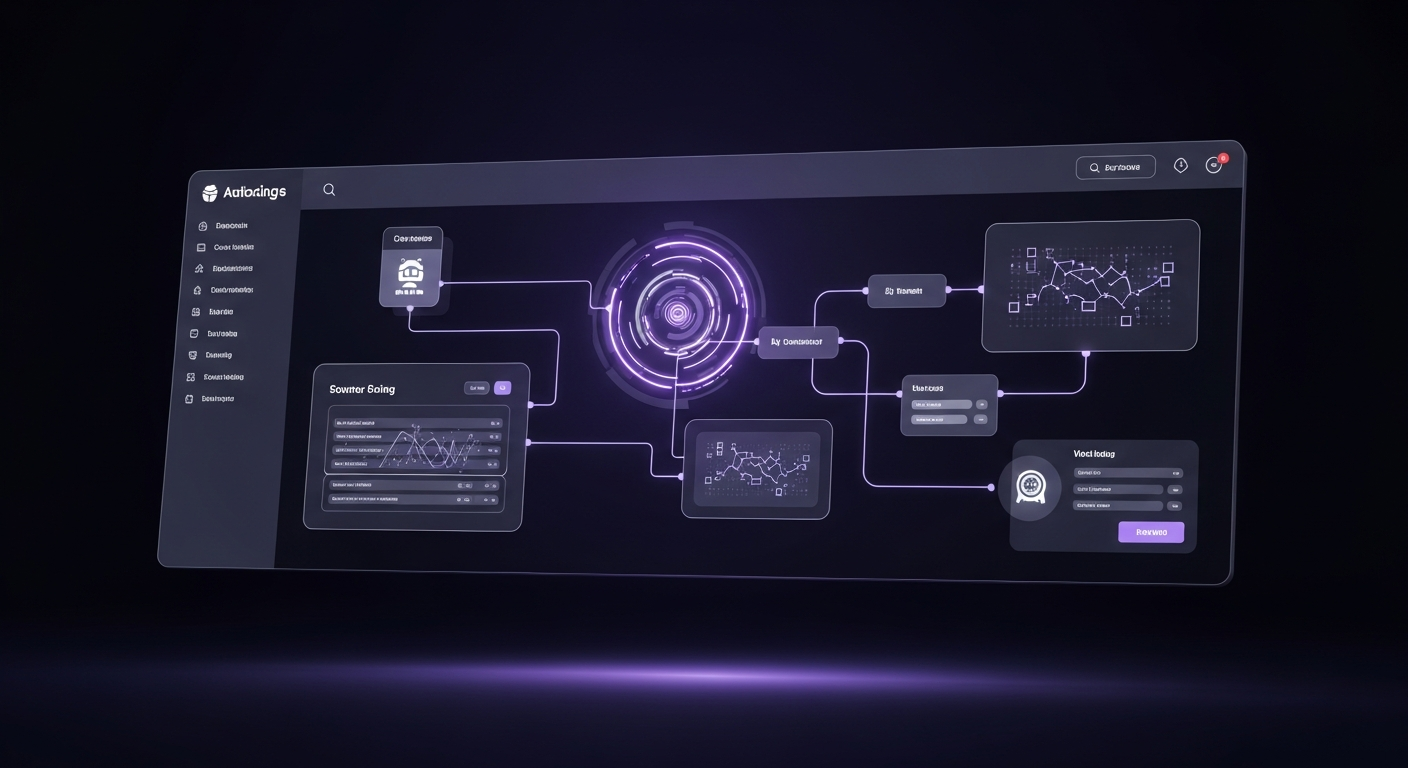
Executing a modern customer onboarding strategy at scale is nearly impossible without the right technology. A well-curated onboarding stack automates repetitive tasks, delivers personalized experiences, and provides the data you need to measure and optimize your process. These tools work together to create a seamless journey for the customer and an efficient workflow for your team. From guiding users inside your app to communicating with them via email, each piece of technology plays a vital role.
These platforms are the backbone of any tech-touch or hybrid onboarding model. They allow you to build and deploy code-free in-app experiences like interactive product tours, checklists, tooltips, and announcement modals. Instead of hard-coding guidance that is difficult to change, these tools give non-technical team members (like product managers or customer success teams) the power to create, test, and iterate on onboarding flows quickly. They also provide valuable analytics on how users are engaging with these guides and adopting features.
Email remains one of the most effective channels for communicating with customers during onboarding. Marketing automation platforms (like HubSpot, Customer.io, or ActiveCampaign) are essential for creating sophisticated, behavior-driven email sequences. You can use them to build your welcome series, send educational content, celebrate milestones, and re-engage users who have gone dormant. The ability to trigger emails based on a user’s specific actions (or inaction) within your product is key to delivering timely, relevant communication.
For high-touch and hybrid models, a central system for managing customer data and relationships is crucial. A Customer Relationship Management (CRM) system like Salesforce stores all customer information. Layered on top, a dedicated Customer Success platform (like Gainsight or Catalyst) pulls in product usage data, support tickets, and other signals to create a holistic view of customer health. These platforms help CSMs manage their portfolios, track onboarding progress, and identify at-risk customers who need proactive intervention.
Empowering customers to find answers on their own is a cornerstone of scalable onboarding and support. Knowledge base software (such as Zendesk Guide, Intercom Articles, or Help Scout) allows you to create a centralized, searchable repository of help articles, FAQs, and video tutorials. Integrating your help center directly within your app allows users to find answers without ever having to leave your product, reducing friction and frustration. A well-maintained knowledge base is an essential resource that supports users throughout their entire lifecycle.

You cannot improve what you do not measure. A data-driven approach is critical to understanding the effectiveness of your customer onboarding strategy and identifying areas for optimization. By tracking the right Key Performance Indicators (KPIs), you can move beyond assumptions and make informed decisions that directly impact customer activation and retention. Measuring success requires a combination of quantitative product analytics and qualitative customer feedback to understand not only *what* is happening but also *why*.
These high-level business metrics reflect the overall health and impact of your onboarding program, connecting your efforts directly to revenue and growth.
These metrics dig deeper into how quickly and broadly users are engaging with your product and are leading indicators of long-term success.
These metrics provide insight into the frequency and depth of user interaction with your product, which are strong indicators of how much value they are receiving.
Quantitative data tells you what users are doing, but qualitative feedback tells you how they feel. These survey-based metrics are crucial for understanding user sentiment.

Even with the best intentions, companies often make critical mistakes in their customer onboarding process that can lead to user frustration, low activation rates, and increased churn. Being aware of these common pitfalls is the first step toward avoiding them and building an experience that sets customers up for success. By proactively addressing these potential issues, you can refine your strategy and remove the hidden friction that might be derailing your new users.
One of the most common mistakes is trying to teach a new user everything about your product at once, often through a long, front-loaded product tour that points out every button and menu. This approach overwhelms users with information that is not relevant to their immediate goals. They quickly forget most of what they have seen and are left feeling intimidated rather than empowered.
How to Avoid It: Focus on progressive disclosure. Instead of a comprehensive tour, use contextual guidance to introduce features as the user needs them. Your initial onboarding should focus only on the two or three key actions required to achieve the first “Aha!” moment. Save advanced features for later in the customer lifecycle.
In the quest for scalability and automation, it is easy to create an onboarding experience that feels robotic and impersonal. While tech-touch models are efficient, completely removing the option for human interaction can be a major mistake. When a user gets truly stuck or has a complex question, hitting a wall with no easy way to contact a real person can be incredibly frustrating and damaging to their trust in your brand.
How to Avoid It: Always provide an escape hatch. Even in a fully automated flow, make it easy for users to find your contact information, access live chat, or book a call. For higher-value customers, build proactive human touchpoints into the journey, even if it is just a personal welcome email from a named individual.
Many companies view onboarding as a finite process that ends after the first 7 or 30 days. This is a limited perspective. True onboarding is a continuous journey of value discovery. Customers’ needs evolve, and your product changes. If you stop guiding them after the initial setup, you miss opportunities to help them adopt new features, deepen their usage, and get even more value from your solution over time.
How to Avoid It: Adopt a continuous onboarding mindset. Develop lifecycle marketing campaigns that introduce advanced features to tenured users. Use in-app messages to announce product updates and explain their benefits. Think of onboarding not as a single project, but as an ongoing program of customer education and value reinforcement.
Building an onboarding process based solely on internal assumptions is a recipe for failure. Your team is not your user; you have a deep, nuanced understanding of your product that a new customer simply does not. Failing to build feedback loops into your onboarding process means you are flying blind, unable to identify the real points of friction and confusion your users are experiencing.
How to Avoid It: Make feedback collection an integral part of your process. Use in-app micro-surveys to ask users about their experience immediately after they complete a task. Analyze support tickets and chat logs for common onboarding-related questions. Regularly conduct user interviews with new customers to get rich, qualitative insights. Most importantly, create a process for reviewing this feedback and turning it into actionable improvements.

Theory and best practices are essential, but seeing them in action can provide a powerful spark of inspiration. By examining how leading companies across different industries approach customer onboarding, we can extract valuable lessons and tangible ideas to apply to our own strategies. These examples showcase how a focus on user goals, personalization, and clear guidance can create memorable and highly effective first experiences.
Asana, a leading project management tool, knows that its value is unlocked not by a single user, but by a collaborating team. Its onboarding is masterfully designed to drive this specific outcome. When a new user signs up, the first thing Asana prompts them to do is create a project and, crucially, invite their teammates. It provides pre-built project templates for common use cases (like marketing campaigns or event planning), which removes the friction of starting from a blank slate. The in-app checklist guides users through these key activation milestones, and celebratory animations appear when tasks are completed, creating a positive feedback loop. Asana’s onboarding is a masterclass in focusing on the core “Aha!” moment: seeing a team collaborate on a shared project.
Language-learning app Duolingo is famous for its sticky and engaging onboarding experience. It gets users learning within seconds of opening the app for the first time—no lengthy sign-up process required. The first lesson is interactive and provides immediate feedback, giving the user an instant sense of accomplishment. Duolingo masterfully uses gamification elements like streaks, experience points (XP), and leaderboards to motivate users to return daily. The character, Duo the owl, sends personalized push notifications to encourage users to maintain their streak. This approach transforms the potentially daunting task of learning a language into a fun, addictive game, ensuring high levels of engagement from day one.
While not a software product, online pet supply retailer Chewy provides an excellent example of onboarding in e-commerce. Its process begins after the first purchase. The confirmation and shipping notification emails are warm, friendly, and infused with brand personality. They often include helpful content related to the pet products purchased. But Chewy’s true onboarding magic lies in its renowned customer service. The company is known for sending handwritten welcome cards, surprising customers with pet portraits, and demonstrating incredible empathy. This high-touch, personalized approach builds a powerful emotional connection from the very first transaction, turning a one-time buyer into a fiercely loyal, lifelong customer and advocate.

The landscape of customer onboarding is continuously evolving, driven by advancements in technology and rising customer expectations. While the core principles of guiding users to value remain the same, the methods for achieving this are becoming increasingly sophisticated. The future of onboarding is moving away from one-size-fits-all flows and toward truly dynamic, one-to-one experiences delivered at scale.
Artificial intelligence (AI) and machine learning are at the forefront of this transformation. AI can analyze vast amounts of user behavior data to predict which users are likely to get stuck and what specific intervention they need. Instead of a predefined product tour, imagine an AI-powered guide that adapts in real-time to a user’s actions, offering personalized tips and shortcuts based on their unique workflow. This allows for a level of hyper-personalization that was previously impossible, ensuring every user receives the exact guidance they need at the exact moment they need it.
Automation will continue to play a crucial role, but it will become smarter and more contextual. Onboarding will be seamlessly integrated across all channels—in-app, email, chat, and even SMS—creating a cohesive and persistent conversation with the user. The goal will be to create an onboarding experience that feels less like a pre-programmed script and more like a conversation with a helpful, all-knowing expert. As these technologies mature, companies that embrace them will gain a significant competitive advantage by delivering superior customer experiences that drive activation, foster loyalty, and maximize lifetime value.