





Customer Lifecycle Marketing: A Complete Strategy Guide for Engagement and Retention
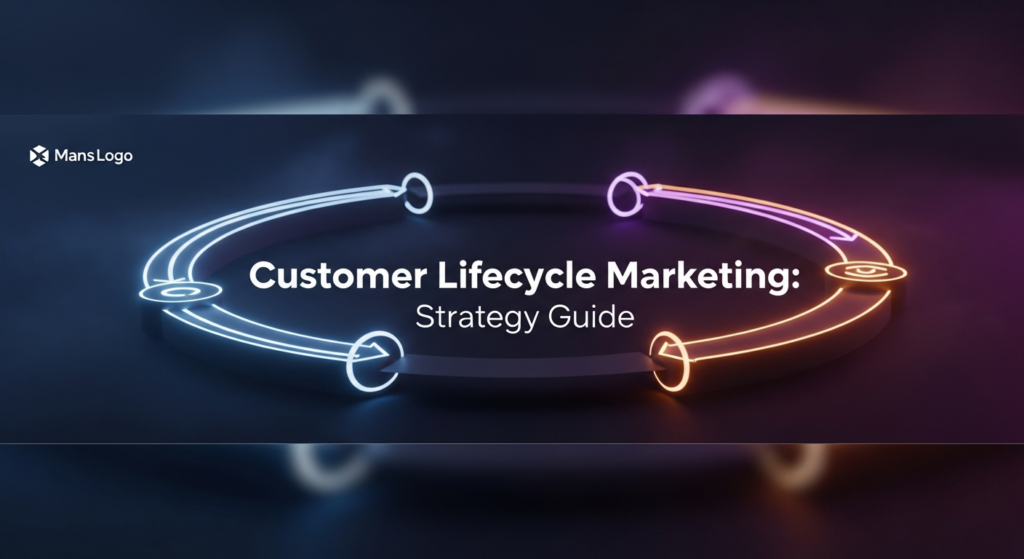
In a competitive digital landscape, acquiring a new customer is just the beginning. The greatest opportunity for growth lies in what happens next. Many businesses focus intensely on the initial sale, only to let valuable customer relationships wither. This short-sighted approach leads to high churn rates and an expensive scramble for new leads. The solution is a shift in perspective from a linear funnel to a continuous cycle: customer lifecycle marketing.
This comprehensive guide will walk you through every aspect of building a robust customer lifecycle marketing strategy. You will learn how to engage customers at every stage, from their first interaction with your brand to the moment they become passionate advocates. By focusing on the entire journey, you can dramatically increase customer loyalty, maximize lifetime value, and build a sustainable engine for business growth. We will explore the core stages, essential metrics, powerful tools, and proven strategies that transform one-time buyers into lifelong fans.
What is Customer Lifecycle Marketing and Why Does It Matter?

Customer lifecycle marketing is the strategy of building long-term relationships with customers through personalized communications and experiences tailored to their specific stage in the journey. Instead of viewing marketing as disconnected campaigns aimed at a single transaction, this model recognizes that the customer relationship evolves over time. The goal is to guide individuals seamlessly from one stage to the next, transforming strangers into prospects, prospects into customers, customers into repeat buyers, and repeat buyers into loyal brand advocates. This holistic view ensures that every interaction is an opportunity to strengthen the relationship and add value.
Defining the Customer Lifecycle
The customer lifecycle is the journey a person takes from first discovering a brand to becoming a long-term, loyal customer. This framework maps the key milestones in that journey, from initial awareness to post-purchase engagement and beyond. While specific stages can vary by business model, the core progression remains consistent. Understanding this journey allows businesses to anticipate customer needs, address potential pain points, and deliver the right message at the right time, fostering a deeper connection and encouraging continued business.
Moving Beyond the Traditional Marketing Funnel
The traditional marketing funnel—Awareness, Interest, Desire, Action (AIDA)—has served marketers for decades, but its linear, one-way structure is a primary limitation. It treats the customer’s purchase as the endpoint, leaving little room for what happens after the sale. In today’s subscription-based and relationship-driven economy, this model is incomplete. Customer lifecycle marketing evolves this concept into a continuous, cyclical loop.
Where the funnel ends, the lifecycle continues, placing significant emphasis on post-purchase stages like retention and advocacy. This shift acknowledges a critical business reality: retaining an existing customer is significantly more cost-effective than acquiring a new one. The lifecycle model encourages marketers to reinvest in their current customer base, recognizing them as the most valuable asset for sustainable growth. It’s not about replacing the funnel but expanding it into a more dynamic and realistic representation of the modern customer relationship.
The Core Benefits: Increased LTV and Reduced Churn
Adopting a customer lifecycle marketing strategy yields substantial, measurable benefits that directly impact the bottom line. The two most significant advantages are an increase in Customer Lifetime Value (CLV) and a reduction in customer churn.
- Increased Customer Lifetime Value (CLV): CLV is the total revenue a business can expect from a single customer throughout their entire relationship. By focusing on retention and loyalty, you encourage repeat purchases, upselling, and cross-selling. An engaged customer is more likely to buy from you again and explore higher-value offerings, directly increasing their overall value to your business.
- Reduced Churn: Churn rate is the percentage of customers who stop doing business with you over a given period. High churn is a silent killer of growth. Lifecycle marketing directly combats churn by proactively engaging customers, providing ongoing value, and building strong relationships. A thoughtful onboarding process, regular check-ins, and responsive support make customers feel valued and less likely to seek alternatives.
Ultimately, a successful lifecycle strategy creates a virtuous cycle: satisfied customers stay longer, spend more, and tell others about their positive experiences, fueling new customer acquisition and creating a powerful, self-sustaining growth engine.
The 5 Core Stages of the Customer Lifecycle Explained
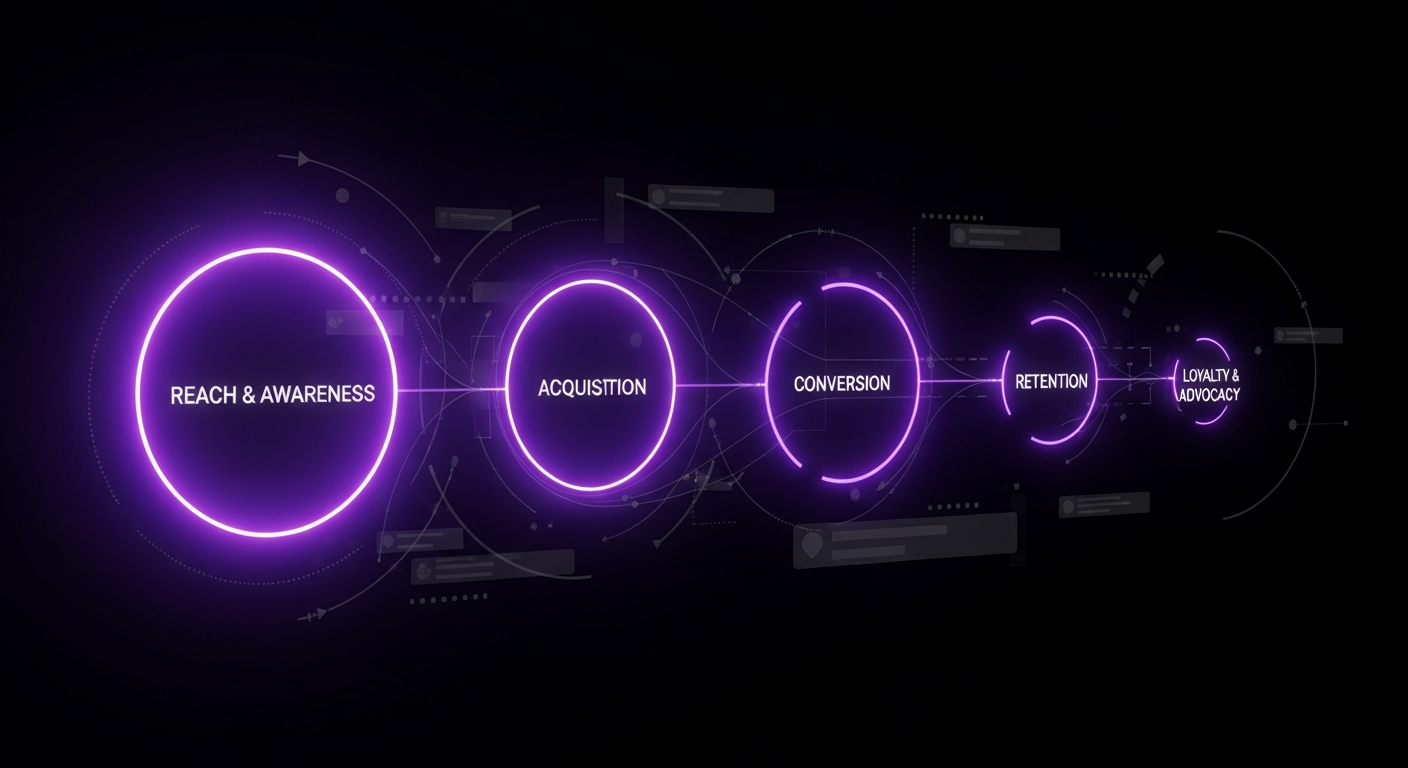
To manage the customer journey effectively, it’s essential to understand its distinct phases. Each stage represents a different relationship with your brand and requires a unique marketing approach. By aligning your efforts with the customer’s current stage, you can communicate more effectively and guide them toward the next milestone. Here are the five core stages of the customer lifecycle.
Stage 1: Reach & Awareness
At the top of the funnel, potential customers first become aware of your brand. They may have identified a problem and are beginning to search for a solution, without a specific brand in mind. The primary goal is to attract their attention and introduce your brand as a credible option. Marketing activities here are broad, focusing on education and discovery rather than a hard sell. The key is to be present where your potential audience is looking for information.
Stage 2: Acquisition
Once a prospect is aware of your brand, the next step is to acquire their interest and earn permission to market to them directly. This stage is about turning anonymous visitors into known leads by capturing contact information, typically an email address, in exchange for something of value. This ‘value exchange’—a downloadable guide, webinar registration, or free trial—signals a deeper interest and allows you to begin a more personalized conversation.
Stage 3: Conversion
The conversion stage is the critical transition where a prospect makes their first purchase and becomes a customer. This moment is fueled by the trust you’ve built in the previous stages. Marketing efforts focus on overcoming final objections, demonstrating clear value, and making the purchase process seamless. Tactics often include compelling case studies, product demos, or introductory offers to close the sale and set the stage for a positive long-term relationship.
Stage 4: Retention
This stage, which begins immediately after the first purchase, is where lifecycle marketing truly diverges from the traditional funnel. It is dedicated to keeping customers engaged and satisfied. The goal is to ensure they get maximum value from your product or service, encouraging them to remain a customer. This involves strong onboarding, proactive customer support, and regular, value-added communication that reinforces their decision to choose you.
Stage 5: Loyalty & Advocacy
The final stage is the pinnacle of the customer relationship, where satisfied customers evolve into loyal repeat buyers and, ultimately, vocal brand advocates. A loyal customer consistently chooses your brand over competitors, while an advocate actively promotes your brand through word-of-mouth, online reviews, and social media. The marketing goal is to recognize and reward this loyalty, empowering these customers to become an extension of your marketing team and attract new customers to the cycle.
Building Your Customer Lifecycle Marketing Strategy: A Blueprint
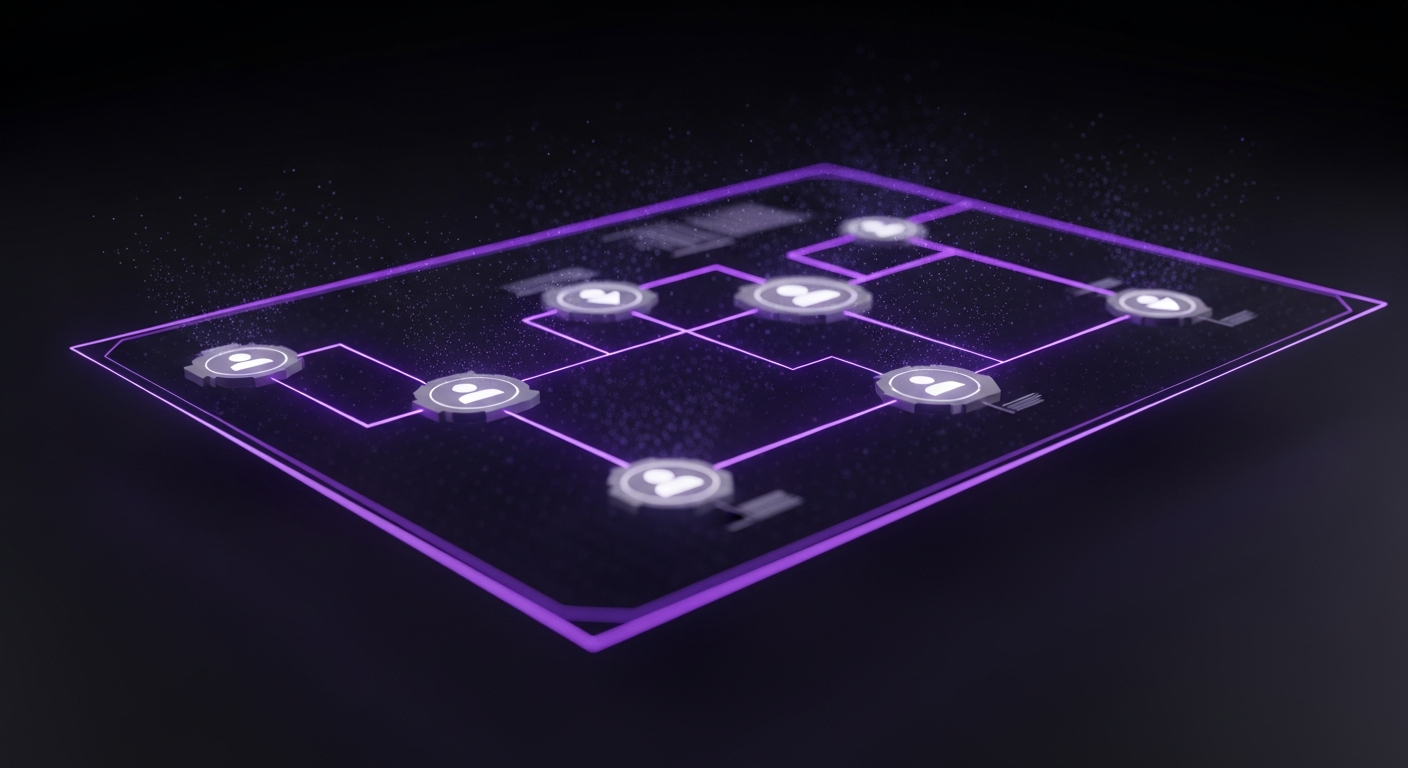
A successful lifecycle marketing strategy isn’t built on guesswork; it’s a deliberate process of understanding your customers, setting clear goals, and delivering personalized experiences. This blueprint provides a structured approach to designing and implementing a strategy that drives engagement and growth by mapping the journey, defining success at each stage, and segmenting your audience for precision targeting.
Mapping Your Unique Customer Journey
Before you can influence the customer journey, you must understand it from their perspective. Customer journey mapping involves creating a visual representation of every interaction a customer has with your brand, from their first Google search to contacting support. For each touchpoint, detail their actions, thoughts, and feelings, noting their goals and potential friction points. This exercise reveals critical insights into the customer experience, highlighting areas for improvement and opportunities to add value.
Setting Stage-Specific Goals and KPIs
A generic goal like ‘increase engagement’ is too vague to be actionable. An effective strategy requires specific, measurable goals for each stage of the lifecycle. For example, a goal for the Reach stage might be to increase website traffic from organic search, while a goal for the Conversion stage is to improve the checkout completion rate. Once you have your goals, define the Key Performance Indicators (KPIs) you will use to measure progress. This data-driven approach allows you to objectively assess what’s working and optimize your tactics at every step.
Segmenting Your Audience for Maximum Impact
Not all customers are the same; they have different needs, behaviors, and motivations. Audience segmentation is the practice of dividing your customer base into smaller groups based on shared characteristics. Since a one-size-fits-all message rarely resonates, segmentation allows you to tailor your messaging and offers to be highly relevant to each group. Common segmentation criteria include:
- Demographics: Age, location, gender, and income.
- Psychographics: Lifestyle, interests, and values.
- Behavioral: Purchase history, website activity, feature usage, and email engagement.
- Value-based: Segmenting based on Customer Lifetime Value (CLV) to identify and nurture high-value customers.
Effective segmentation is the foundation of personalization, enabling you to deliver communications that feel helpful and relevant rather than intrusive.
Key Metrics to Track at Each Stage of the Lifecycle

To manage and optimize your lifecycle marketing strategy, you must measure it. Tracking the right metrics at each stage provides the data-driven insights needed to understand customer behavior, identify bottlenecks, and prove the ROI of your efforts. While dozens of metrics exist, focusing on a few key indicators for each stage keeps your analysis targeted and actionable.
Acquisition Metrics: CAC and Conversion Rates
During the early stages (Reach and Acquisition), your focus is on attracting an audience and converting them into leads. The most critical metrics here gauge the efficiency of these efforts. Customer Acquisition Cost (CAC) measures the total cost required to acquire a single new customer. A healthy business model requires that CAC is significantly lower than your Customer Lifetime Value. Conversion Rates measure the percentage of users who take a desired action, such as the visitor-to-lead conversion rate or the lead-to-customer conversion rate. Tracking these helps you optimize your campaigns and calls-to-action.
Engagement Metrics: Active Users and Session Duration
Once you have a customer, it’s crucial to understand how engaged they are with your product or service. These metrics are particularly important for the Conversion and early Retention stages. For software businesses, Daily/Monthly Active Users (DAU/MAU) is a key indicator of how many customers regularly find value in your product. For all businesses, Session Duration and Pages Per Session on your website indicate how deeply users are engaging with your content. Low engagement can be an early warning sign of potential churn, signaling a need to improve your onboarding or educational resources.
Retention Metrics: Churn Rate and Customer Lifetime Value (CLV)
Retention is the heart of lifecycle marketing, and its metrics are vital for assessing long-term business health. Churn Rate is the percentage of customers who cancel or fail to renew their subscription over a specific period. It is the direct inverse of your retention rate and a primary indicator of customer satisfaction. Customer Lifetime Value (CLV) is the ultimate metric, forecasting the total net profit a company can expect from an average customer. The goal of any lifecycle strategy is to continuously increase CLV by reducing churn and encouraging repeat business.
Loyalty Metrics: Net Promoter Score (NPS) and Repeat Purchase Rate
In the final stage, you want to measure genuine loyalty and advocacy. The Net Promoter Score (NPS) is a widely used metric that measures customer loyalty by asking a single question: ‘On a scale of 0-10, how likely are you to recommend our brand to a friend or colleague?’ This segments customers into Promoters, Passives, and Detractors. The Repeat Purchase Rate is a more direct behavioral metric, calculating the percentage of customers who have made more than one purchase. A high rate is a clear sign that customers trust your brand enough to buy again.
| Lifecycle Stage | Primary Goal | Key Metrics to Track |
|---|---|---|
| Reach & Awareness | Attract new audiences | Website Traffic, Social Media Reach, Impressions |
| Acquisition | Convert visitors to leads | Lead Conversion Rate, Cost Per Lead (CPL) |
| Conversion | Turn leads into first-time customers | Sales Conversion Rate, Customer Acquisition Cost (CAC) |
| Retention | Keep customers engaged and happy | Churn Rate, Customer Lifetime Value (CLV), Active Users |
| Loyalty & Advocacy | Create repeat buyers and promoters | Net Promoter Score (NPS), Repeat Purchase Rate, Referral Rate |
Tailoring Your Marketing Channels to Each Lifecycle Stage
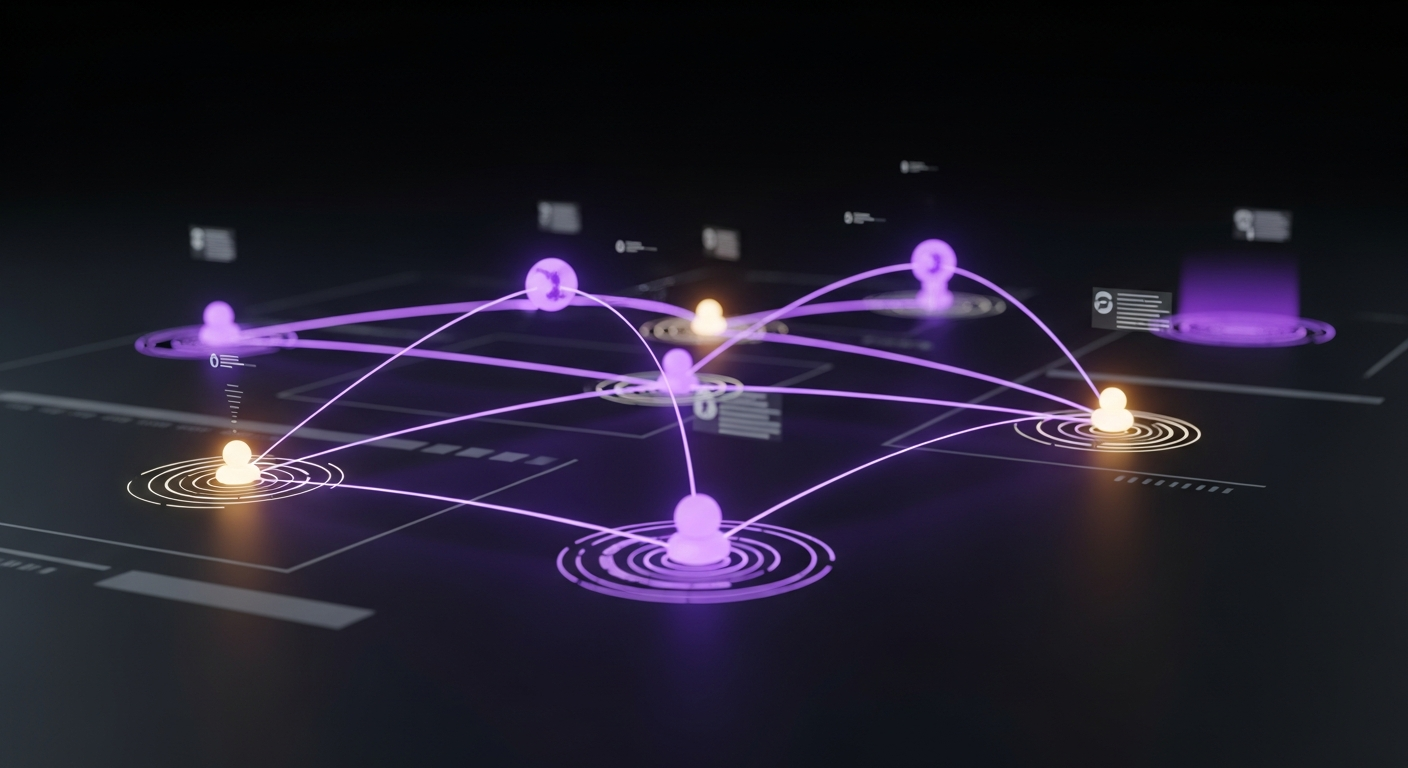
An effective lifecycle strategy requires using the right tool for the right job. Different marketing channels excel at different stages of the customer journey. By aligning your channels with the customer’s mindset and your stage-specific goals, you can create a more cohesive and impactful experience. A channel perfect for generating awareness may be ineffective for nurturing loyalty.
Top-of-Funnel Channels: SEO, Content, and Social Media
In the Reach and Awareness stage, the goal is discovery. The most effective channels capture broad audiences seeking information. Search Engine Optimization (SEO) improves your visibility in search results when potential customers are looking for solutions. Content Marketing, via blogs and videos, provides upfront value and establishes your brand as a trusted authority. Social Media allows you to engage with communities and build a brand personality that attracts followers. The focus here is on education and value, not direct sales.
Mid-Funnel Channels: Email Nurturing and Retargeting
Once you’ve acquired a lead (Acquisition) and are guiding them toward a purchase (Conversion), your communication can become more direct. Email Marketing is the cornerstone of this phase. Through lead nurturing campaigns, you can send targeted emails that address pain points, showcase product benefits, and build trust. Retargeting Ads on platforms like Google and Facebook are highly effective for re-engaging prospects who have visited your website but haven’t converted. By showing them relevant ads, you keep your brand top-of-mind and guide them back toward making a purchase.
Bottom-of-Funnel Channels: Loyalty Programs and Customer Support
After the initial conversion, the focus shifts to Retention and Loyalty. The channels you use here are designed to deepen the relationship and encourage repeat business. A well-designed Loyalty Program provides tangible rewards for continued patronage, giving customers a clear incentive to stick with your brand. Proactive Customer Support, whether through email, live chat, or a knowledge base, is a critical retention channel. It ensures customers get help when they need it, reinforcing their trust and satisfaction. In-app notifications and personalized emails are also powerful tools for keeping existing customers engaged.
The Power of Personalization in Lifecycle Marketing
Personalization is the engine that drives effective customer lifecycle marketing. In an age of information overload, generic messages are ignored. Customers expect brands to understand their individual needs, preferences, and history. Personalization transforms marketing from a monologue into a dialogue, making customers feel seen, understood, and valued. It is the key to building strong relationships that foster loyalty and drive long-term growth.
Using Data to Create Personalized Experiences
Effective personalization is built on a foundation of data. By unifying data from touchpoints like your CRM, website analytics, and purchase history, you can build a comprehensive 360-degree view of each customer. This allows you to move beyond basic personalization (like using a first name) to segmenting customers based on behavior—such as products viewed or purchase frequency—and tailoring communications accordingly.
Dynamic Content and Product Recommendations
One of the most powerful applications of personalization is dynamic content, which automatically alters the content of an email or webpage based on user data. For example, an e-commerce site can display a homepage banner featuring products related to a customer’s past purchases. Similarly, email newsletters can dynamically populate with content that aligns with a subscriber’s interests. Product recommendations, famously used by Amazon and Netflix, leverage user data to suggest items they are highly likely to find relevant, significantly increasing cross-selling opportunities.
Behavioral Triggers for Timely Communication
Timing is everything in marketing. Behavioral triggers allow you to automate communications at the precise moment they are most relevant. These are real-time responses to specific actions a customer takes (or doesn’t take). A classic example is the abandoned cart email, sent automatically after a user leaves without completing a purchase. Other powerful triggers include:
- Welcome emails: Sent immediately after a user signs up.
- Onboarding series: A sequence of emails designed to help new customers get value from a product.
- Re-engagement campaigns: Sent to customers who have become inactive for a defined period.
- Post-purchase follow-ups: Asking for a review or suggesting complementary products.
By using behavioral triggers, you ensure your messages are not only personalized but also perfectly timed for maximum impact.
Leveraging Marketing Automation to Scale Your Efforts
As your business grows, manually managing personalized communication for every customer at every stage becomes impossible. Marketing automation is essential for executing a sophisticated lifecycle strategy at scale, delivering timely messages without requiring manual intervention for each interaction. It handles repetitive tasks, freeing up your team to focus on strategy and creativity.
Choosing the Right Marketing Automation Platform
Selecting the right platform is a critical first step. When evaluating options, consider your specific needs. Key features include a robust email builder, visual workflow automation, advanced segmentation, and integrations with your existing tools, especially your CRM. A good platform should provide detailed analytics to track campaign performance and customer behavior. Choose a tool that can not only meet your current needs but also scale as your strategy becomes more sophisticated.
Automating Onboarding and Welcome Series
The first few days after a customer signs up are critical for retention. A strong first impression can set the tone for the entire relationship. Marketing automation is perfect for creating a powerful welcome and onboarding series. You can build an automated workflow that triggers a sequence of emails designed to:
- Welcome the new customer and thank them for their business.
- Reinforce the value of their purchase or subscription.
- Provide essential ‘getting started’ tips and educational content.
- Introduce key features or benefits they might have missed.
- Set expectations for future communication.
This ensures every new customer receives a consistent, helpful, and engaging introduction to your brand, dramatically reducing early-stage churn.
Automating Re-engagement and Win-Back Campaigns
Every business has customers who become inactive over time. Instead of letting these valuable relationships fade, you can use marketing automation to proactively re-engage them. By setting up triggers based on inactivity (e.g., no login or purchase in 90 days), you can automatically enroll these customers into a ‘win-back’ campaign. This automated series of emails might include a special offer, a feedback survey, or a reminder of the value your product provides. Automating this process is a cost-effective strategy for reactivating dormant customers.
Content Strategies for Engagement and Retention
Content is the fuel for your customer lifecycle marketing engine. The right content, delivered at the right time, can educate, inspire, and build trust, strengthening the customer’s relationship with your brand. An effective content strategy goes beyond acquisition and focuses on providing ongoing value to your existing customer base, which is crucial for long-term retention and advocacy.
Creating Educational Content for New Users
For customers in the conversion and early retention stages, the focus should be on education and successful onboarding. Your content must deliver on your brand’s promise by helping them achieve their goals and get value from your product as quickly as possible. This type of content includes:
- Getting Started Guides: Step-by-step instructions and video tutorials.
- Knowledge Base Articles: Detailed answers to frequently asked questions.
- Best Practice Webinars: Live or on-demand sessions showcasing effective ways to use your product.
By investing in educational content, you empower your customers, reduce frustration, and decrease the burden on your support team.
Developing In-Depth Guides for Existing Customers
To keep long-term customers engaged, you need to provide content that helps them master your product and grow. These customers are looking for advanced strategies and deeper insights. This is an opportunity to position your brand as a thought leader and an indispensable partner in their success. Content for this stage includes:
- Advanced Strategy Guides: In-depth ebooks or articles that explore complex use cases.
- Case Studies: Success stories from other customers that provide inspiration and new ideas.
- Industry Trend Reports: Original research and analysis that helps them stay ahead of the curve.
This content reinforces your value proposition and demonstrates an ongoing commitment to their success, making them less likely to consider competitors.
Leveraging User-Generated Content for Advocacy
Your most loyal customers are your greatest marketing asset. Encouraging and leveraging user-generated content (UGC) is a powerful way to turn satisfied customers into active brand advocates. UGC serves as authentic social proof, which is often more trusted than brand-created marketing materials. Strategies for leveraging UGC include:
- Running Contests: Encourage customers to share photos or videos of them using your product on social media with a specific hashtag.
- Featuring Customer Reviews: Prominently display testimonials and reviews on your website and product pages.
- Creating a Community: Build a forum or user group where customers can share tips, ask questions, and showcase their work.
By celebrating your customers and giving them a platform, you strengthen their sense of belonging and empower them to spread the word on your behalf.
Common Challenges in Customer Lifecycle Marketing (and How to Solve Them)

Implementing a comprehensive customer lifecycle marketing strategy is a powerful endeavor, but it is not without its challenges. Many organizations struggle with fragmented data, inconsistent experiences, and the risk of overwhelming their customers. Recognizing these potential hurdles is the first step toward building a truly effective, customer-centric program.
Overcoming Data Silos
A primary obstacle is data silos, where customer data is scattered across disconnected platforms (CRM, email, e-commerce). This fragmentation prevents a unified customer view. The solution is data integration, often through a Customer Data Platform (CDP) or tools with robust native integrations. Centralizing your data is the foundational step for effective segmentation and personalization.
Maintaining a Consistent Customer Experience
As customers move through their lifecycle, they interact with different departments, including marketing, sales, and customer support. If these teams operate in isolation, the customer experience can become disjointed. For example, a customer might receive a promotional email about a problem they are actively trying to solve with support. To solve this, foster cross-departmental collaboration, establish shared goals and messaging, and use a shared CRM so every team has the same customer context.
Avoiding Over-Communication and Message Fatigue
With the power of marketing automation, it’s easy to fall into the trap of over-communicating. Bombarding customers with too many messages can lead to fatigue and high unsubscribe rates. The key is to be strategic and respectful. Implement frequency capping to limit the number of messages a user receives in a given period. Give customers granular control over their communication preferences. Most importantly, ensure that every message provides genuine value to the recipient.
Real-World Examples of Successful Lifecycle Marketing
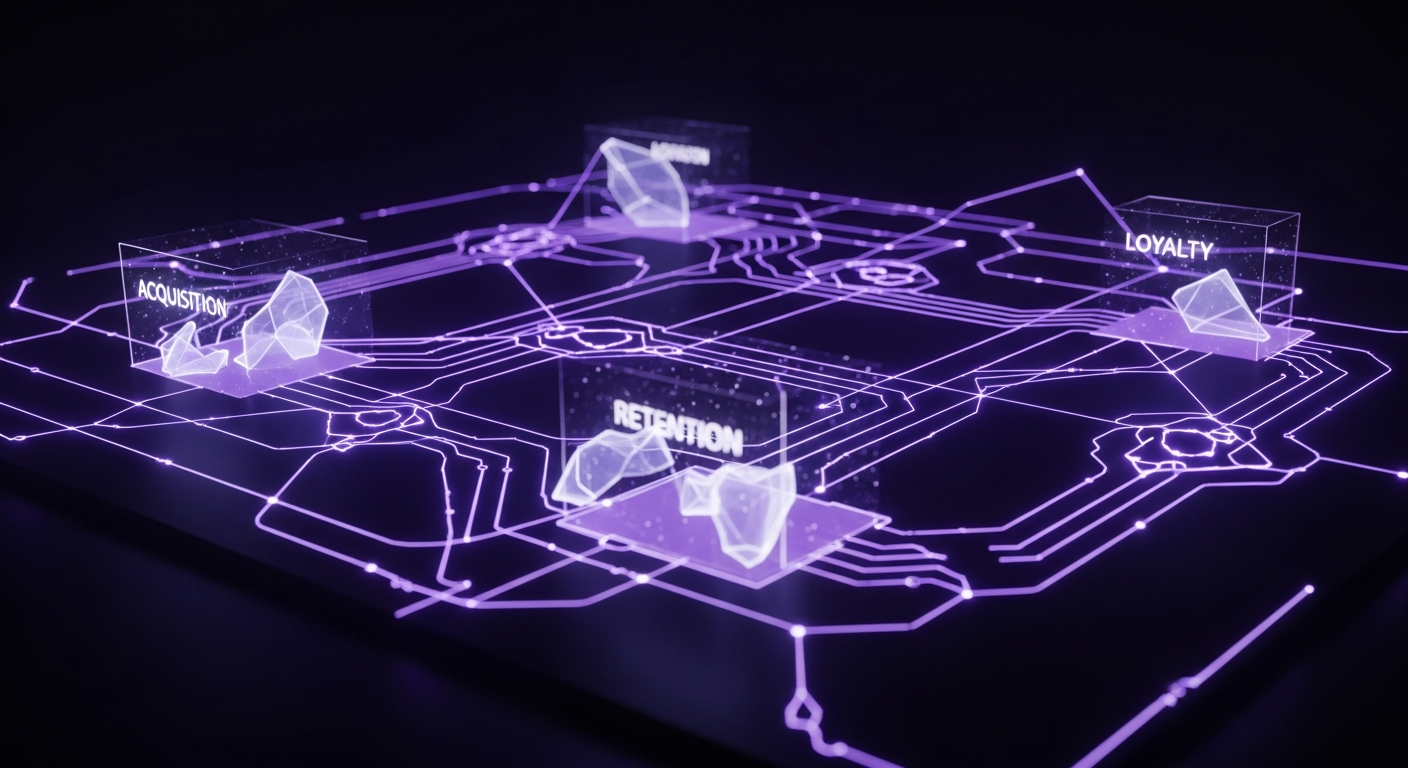
Theory is valuable, but seeing lifecycle marketing in action provides the clearest understanding of its power. Some of the world’s most successful brands have mastered the art of nurturing customers through every stage of their journey. By examining their strategies, we can extract practical lessons to apply to our own businesses.
How Spotify Nurtures Users from Free to Premium
Spotify is a master of the freemium lifecycle model. The journey starts with a compelling offer: free access to millions of songs (Acquisition). During the free tier (Retention), Spotify collects listening data to create a highly personalized experience with custom playlists like ‘Discover Weekly,’ which keeps users engaged. The limitations of the free version (ads, no offline mode) serve as a gentle nudge toward conversion. Spotify uses targeted emails and in-app messages, often triggered by user behavior, to highlight the benefits of Premium and successfully convert free users into paying subscribers.
Amazon’s Mastery of Cross-selling and Upselling
Amazon is a leader in the Retention and Loyalty stages. Its entire platform is an engine for increasing Customer Lifetime Value through sophisticated personalization. After a customer makes a purchase (Conversion), Amazon’s algorithm immediately begins suggesting complementary products (‘Customers who bought this also bought…’) and related items. Its ‘Subscribe & Save’ feature is a brilliant retention tactic, turning one-time purchases into recurring revenue. By leveraging vast amounts of behavioral data, Amazon creates a personalized shopping experience that anticipates customer needs and drives long-term loyalty.
Sephora’s Beauty Insider Loyalty Program
Sephora’s Beauty Insider program is a textbook example of cultivating loyalty and advocacy. The tiered program (Insider, VIB, Rouge) makes customers feel recognized and rewarded for their business. It’s free to join, removing barriers to entry (Acquisition). As customers spend more, they unlock new tiers with better perks like exclusive products and special events. This gamified approach encourages repeat purchases (Retention) and makes customers feel like part of an exclusive club. By integrating the program across all channels, Sephora not only drives sales but also builds a passionate community of brand advocates.